
4-Step Manicure & Pedicure Guide – for Medical Estheticians
By Jennifer Maki · Communications Specialist

As an aspiring medical esthetician you want to make your clients glow from fingertips to toes. So, as a student at any beauty college/beauty institute you want to ensure that your medical aesthetic training courses include comprehensive coverage of how to give an exceptional manicure and pedicure.
Understanding the procedure and process of a professional treatment for hands and feet will be a key training area for any medical esthetics course/medical esthetician course, so we thought we’d give you a head start on understanding the basics.
Your 4-Step Guide to Giving Incredible Manicures & Pedicures – for Medical Estheticians
1. Know Your Client
Before you touch any tools, you need to understand why your client is sitting in your chair. Are they looking for pampering? Addressing callouses? Feeling sensitivity or irritation? Your role is to create a warm, welcoming environment where clients feel safe sharing their concerns.
Asking the right questions helps you understand:
- Any pain, irritation, or nail weakness
- Their desired shape, style, and nail goals
- Any medical or skin sensitivities
- Their comfort level with pressure, exfoliation, or massage
This quick consultation shapes the entire service. It’s also a key habit you’ll develop during your medical esthetician diploma training.
2. Clean, Sanitize & Soak
This step sets the tone for client relaxation and ensures professional health and safety.
Your prep routine includes:
- Removing all nail polish
- Soaking feet in warm water with antibacterial or antiseptic ingredients
- Softening callouses, cuticles, and dry skin
- Gently exfoliating heels or rough patches
This softening process makes the rest of the treatment easier and far more enjoyable for the client. Cleanliness and sanitization are essential skills in medical esthetician colleges in Canada, and you’ll practice them repeatedly during training.
3. Cuticle and Massage Care
This is where touch, technique, and client comfort truly matter.
Steps you’ll perform:
- Massage cuticle oil into the nail bed
- Gently push back excess skin using a cuticle stick
- Massage hands or feet to increase circulation and relaxation
- Apply more oil if needed to nourish and soften the nails
These simple techniques, when practiced consistently, help you develop professional confidence—something emphasized heavily in an Anderson College medical esthetician program.
4. Cut, File, Add Flair
Once the nails are prepped, you’re ready for the creative, fun part.
Your finishing steps:
- Trim nails evenly
- File into the client’s preferred shape
- Remove leftover oil so polish adheres
- Apply base coat → colour → topcoat
- Let each layer dry thoroughly
When done well, this final stage transforms your client’s hands and feet—and you leave them feeling polished, refreshed, and cared for.
*Please note that specific procedures will vary based on type of treatment requested by the client. This guide gives a solid overview of what you will dive into in the curriculum to obtain your medical aesthetics certificate.
It is a thrilling feeling to know that you’ve brightened someone’s day, making them feel pampered and special. The training that is offered at Anderson College in our Medical Esthetician program, taught by industry experts, will empower you to take your vision of being a professional in this field, to reality. And offering manicures and pedicures to clients … just the tip of the iceberg.
__________________________________________________________________
Still considering whether this career is for you? Take the “Anderson College Medical Professional Career Training Readiness Quiz”.
If you are ready to leap into this exciting opportunity or want to explore your best career fit with one of our other 30+ leading-edge programs, we’re here to help you every step of the way. Book a virtual appointment with us today.
Quick Links to Fuel Your Success!
We want to make sure you have what you need to succeed! Check out these reference links:
- Medical Esthetician – Medical Esthetician Course & Program at Anderson College
- 10 Nail Polish Mistakes We’ve All Made and How to Prevent Them
- The Facts and Benefits of Facials
Frequently Asked Questions (FAQs)
Q1. What do you learn in a medical esthetician program?
Most programs cover skin analysis, facials, body treatments, nail care, product chemistry, infection control, and hands-on techniques like manicures, pedicures, and advanced skincare procedures.
Q2. Do medical estheticians perform manicures and pedicures?
Yes. While medical esthetics focuses heavily on skincare, nails are often included in foundational training, especially when working in medical spas or clinical esthetics environments.
Q3. How long does a medical esthetician course take in Canada?
Programs typically range from 10–14 months depending on the college, schedule, and specialty modules included.
Q4. Do I need a license to become a medical esthetician?
In most provinces, esthetics training requires a diploma or certificate from a recognized medical esthetician school. Licensing rules vary by region, but proper training is essential.
Q5. How much does a medical esthetician program cost?
Tuition varies by institution, course length, and equipment included. Many students explore financial aid, grants, or payment plans through their college.
Found this useful? Share it with a friend who's exploring their next career step.
Frequently asked questions
Quick answers about applying, funding, and life at Anderson College.
How long does it take to complete a program at Anderson College?
What financial aid options are available?
Are international students welcome?
How do I apply?
Does Anderson College offer job placement support?
Still have a question? Speak with an Admissions Advisor →
More from the blog
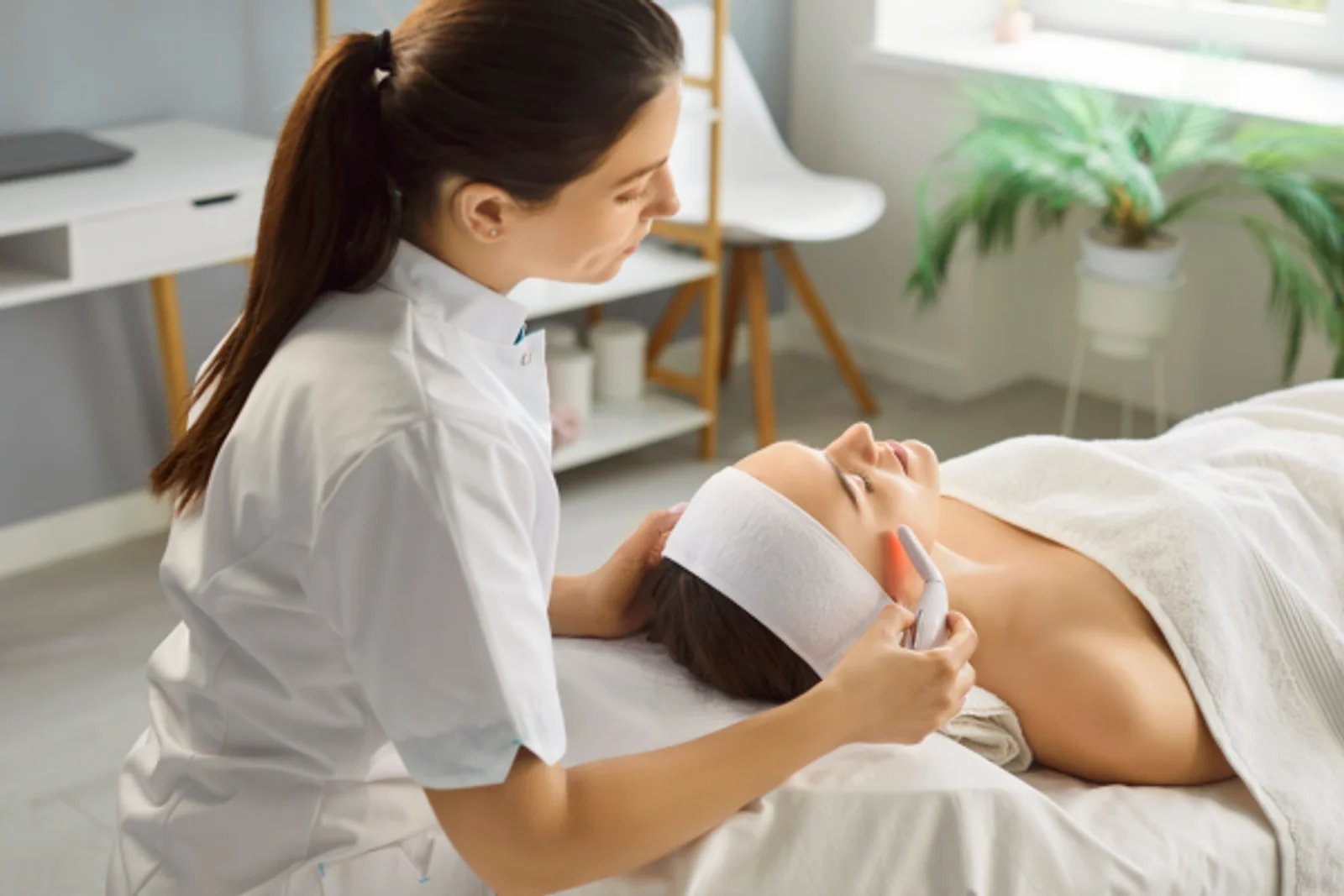
Top Medical Esthetician Skills to Excel in the Industry
The medical esthetics industry continues to grow as more people seek non-invasive treatments that support […] …
Read article
5 Things to Consider Before Enrolling in an Early Childcare Assistant Program
Choosing a career in early learning and childcare means stepping into a role that supports […] …
Read article
Stronger Communities, Brighter Futures: How Anderson College Helps Protect Ontario
Supporting communities is at the heart of Anderson College’s mission, and it has been for […] …
Read article