
Nail Polish Mistakes: 10 Common Manicure Errors and How to Fix Them
By Jennifer Maki · Communications Specialist
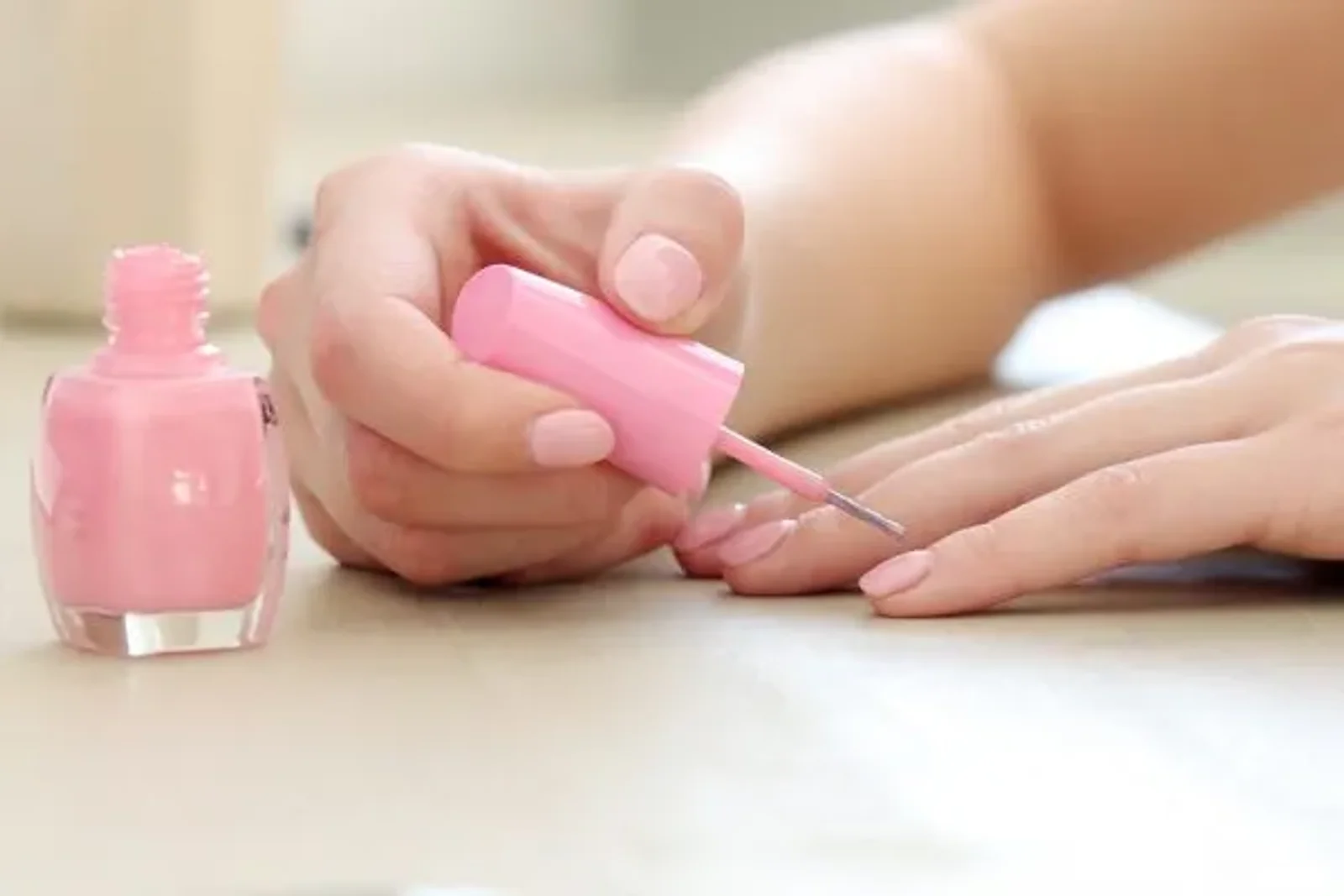
Why Do Nail Polish Mistakes Happen So Often?
Manicures may seem simple, but even small mistakes can ruin the final result. From skipping prep steps to rushing drying time, nail polish errors often happen because people underestimate how much technique matters. Oils on the nails, poor filing habits, or applying polish too thickly can all lead to chipping, peeling, or uneven colour.
Professional nail care focuses on preparation, precision, and patience. When these steps are followed correctly, nail polish lasts longer, looks smoother, and keeps nails healthier. Medical esthetics training teaches students how to apply these fundamentals consistently whether working on natural nails or performing advanced treatments.
Below, our Medical Esthetics experts break down the 10 most common nail polish mistakes and explain how to prevent or fix them.
How Should You Prepare Nails Before Applying Polish?
1- Not preparing the nails
One of the biggest nail polish mistakes is skipping nail preparation. Hands come into contact with oils from hair, skin, and everyday surfaces, which prevents polish from adhering properly.
How to prevent it:
- Wash hands with soap and water before starting
- Dry nails thoroughly
- Ensure nails are clean and oil-free before polish application
Proper preparation helps nail polish last longer and reduces early chipping.
2- Filing errors
Filing back and forth weakens nails and causes splitting. Nails should be healthy, trimmed, and evenly shaped before polish is applied.
How to fix it:
- File in one direction only
- Choose a shape that complements the nail bed
- Avoid over-filing the edges
Correct filing creates a smooth canvas for nail varnish and improves overall appearance.
Take the “Medical Professional Career Discovery Quiz”
Why Shouldn’t You Ignore Your Cuticles?
3- Neglecting cuticles
Cutting or picking at cuticles can lead to irritation and infection. Uneven cuticle lines also make nail polish look messy.
Best practice:
- Gently push cuticles back
- Apply cuticle oil regularly
- Keep the skin around nails hydrated
This prevents peeling skin below the nails and creates a clean polish line.
Do You Really Need a Base Coat?
4- Not applying a base coat
Skipping base coat is a common manicure mistake. Without it, polish stains nails, chips faster, and applies unevenly.
Why base coat matters:
- Improves adhesion
- Smooths nail surface
- Protects natural nails from damage
Always apply a thin base coat before colour.
Why Does Nail Polish Look Uneven or Chip Quickly?
5- Improper nail polish application
Applying thick coats to achieve deeper colour causes polish to dry poorly and chip faster.
How to fix uneven nail polish:
- Apply multiple thin coats
- Let each layer dry slightly
- Seal the free edge of the nail
Polish shrinks as it dries, so sealing the tip helps lock it in place.
Is a Top Coat Really Necessary?
6- Not sealing your nail polish with a top coat
As we mentioned with the base coat, a top coat will ensure the longevity of your nail polish. Top coats help to create a harder and more protective finish, plus this will help your nail polish to dry faster.
Can Acetone Damage Your Nails?
7- Using acetone
Acetone is commonly found in polish removers and quick-dry products, but it can weaken nails.
Why to avoid it:
- Causes peeling and flaking
- Dries out nail beds
- Weakens nail structure
Non-acetone removers are a healthier option for natural nails.
What’s the Best Way to Fix Small Polish Mistakes?
8- Using Q-tips
Q-tips may seem convenient, but cotton fibres can stick to wet polish and ruin the finish.
Better alternative:
- Use a small, clean brush for precision cleanup
This creates a cleaner and more professional look.
Why Is Nail Tool Hygiene So Important?
9- Not washing your tools
Poor hygiene can lead to contamination and infections.
Proper hygiene steps:
- Wash tools with soap and water
- Disinfect with antibacterial solution
- Sterilize using an autoclave when required
These practices are standard in professional medical esthetics settings.
How Long Should You Let Nail Polish Dry?
10- Being in a rush
Rushing the process leads to smudges, dents, and short-lived manicures.
Best practice:
- Allow at least 20 minutes of drying time
- Let each coat set before applying the next
Patience ensures smooth, long-lasting results.
These tips will make your manicures as tidy as possible, as well as helping them to last longer.
Interested in learning proper manicure and pedicure techniques? Learn more about our Medical Esthetics program here.
Frequently Asked Questions (FAQ)
Q1. How long should you leave nail polish on?
Most nail professionals recommend removing polish after 7–10 days to prevent staining and dryness.
Q2. Why does the skin below my nails peel?
Peeling skin is often caused by dryness, harsh chemicals, or lack of cuticle care.
Q3. How do you fix cured gel polish mistakes?
Minor cured gel polish mistakes can be corrected by gently buffing and resealing with a top coat.
Q4. How can you fix uneven nail polish?
Uneven polish can be fixed by applying thin coats and allowing proper drying time between layers.
Found this useful? Share it with a friend who's exploring their next career step.
Frequently asked questions
Quick answers about applying, funding, and life at Anderson College.
How long does it take to complete a program at Anderson College?
What financial aid options are available?
Are international students welcome?
How do I apply?
Does Anderson College offer job placement support?
Still have a question? Speak with an Admissions Advisor →
More from the blog

Top Medical Esthetician Skills to Excel in the Industry
The medical esthetics industry continues to grow as more people seek non-invasive treatments that support […] …
Read article
5 Things to Consider Before Enrolling in an Early Childcare Assistant Program
Choosing a career in early learning and childcare means stepping into a role that supports […] …
Read article
Stronger Communities, Brighter Futures: How Anderson College Helps Protect Ontario
Supporting communities is at the heart of Anderson College’s mission, and it has been for […] …
Read article