
The Facts & Benefits of Facials
By Jennifer Maki · Communications Specialist
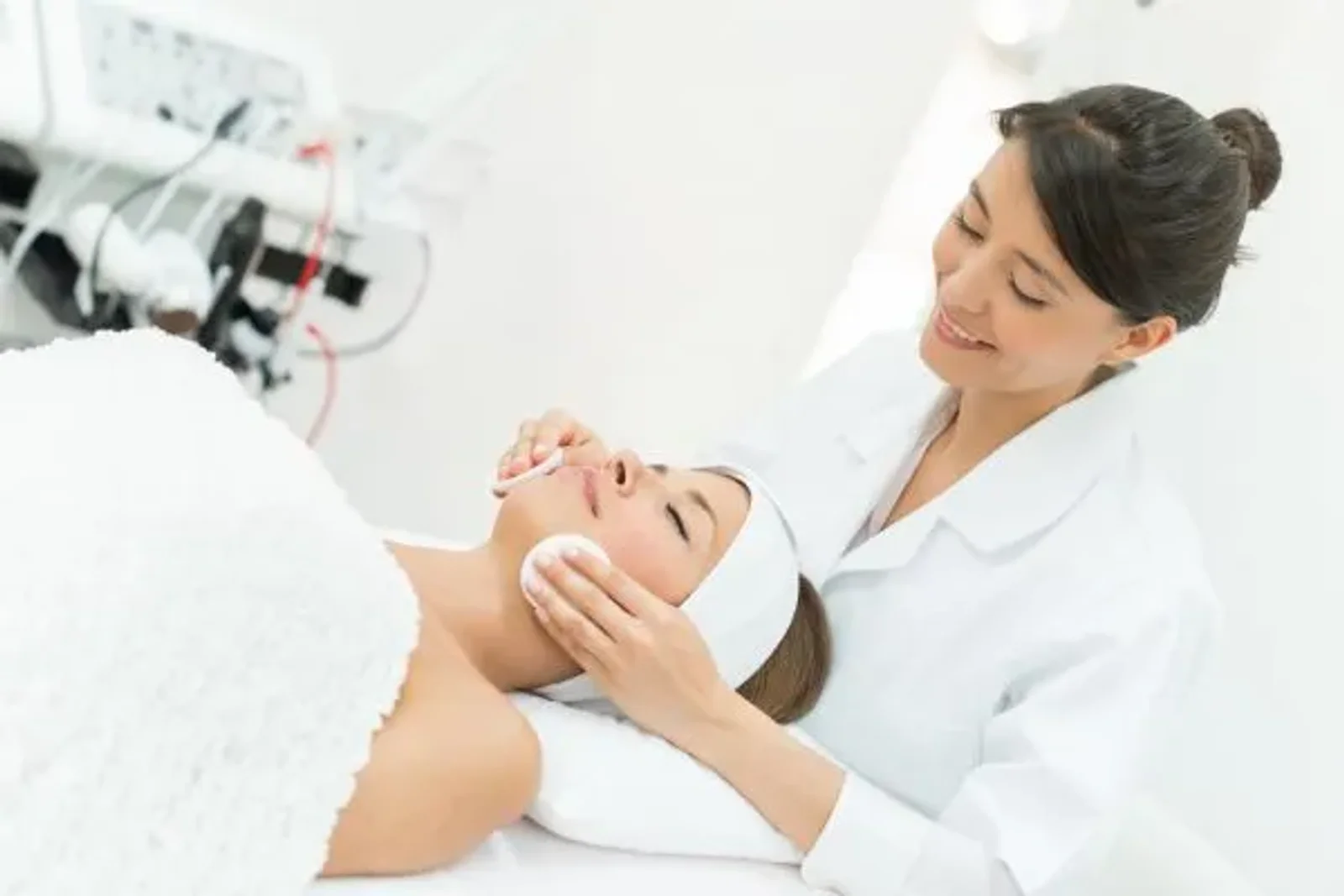
Like we need an excuse to promote pampering! But beyond the feel-good factors of facials, there are myriad benefits and things you and your clients need to know about this self-care technique. In working toward your medical aesthetics certificate at a beauty college or beauty institute, you will receive training in various techniques for helping clients achieve their skincare goals, and facials are at the top of the list. Let’s take a look at why and arm you with the key info to encourage and support those who turn to you for guidance on how to look and feel more vibrant.
The Facts & Benefits of Facials
Why Are Facials Important?
Although there are plenty of DIY options, turning to a professional who’s gleaned from a medical esthetician course, allows clients to truly come to understand their skin. They can learn what their skins needs, and how it reacts to hormones, the environment and skincare products and how to implement routines that support that radiance we all seek.
Receiving a facial from a trained professional provides:
- Relief from tension, tiredness, headaches, and mental fatigue
- Removal of dry skin and hydration to improve absorption of creams and initiate a natural glow, leaving one looking and feeling younger
- Assessment and treatment of skin concerns
- A healing break, designed to refresh and rejuvenate.
What Are the Surprising Benefits of Getting a Facial?
1. Reduces Stress and Anxiety
With hundreds of pressure points located on the face, connecting various areas throughout the body, it’s no wonder that when massaged the sympathetic nervous system is activated and anxiety levels are reduced.
2. Improves Blood Circulation
Just as is true with the rest of the body, massage improves circulation helping oxygen and nutrients reach the face. This means healthier cells that give the glow we’re all seeking.
3. Treats Acne Without Scarring
Turning to a professional who uses steam, products specific to acne treatment and techniques for removing blackheads and pimples that get at the root and ensure the areas are disinfected, means no scarring and beautiful skin.
4. Exfoliation and Rejuvenation
Skin cells die regularly and tend to pile up on the surface, making skin dry, rough and dull. Exfoliation, the sloughing off of skin cells, when removed by a professional using tried and trusted techniques, reveal a healthy layer of skin beneath and leaves clients feeling years younger.
And for those of us feeling the affects of aging with that loosening of the skin, a facial treatment that removes cells and then puts moisture back in, leaves skin tighter and looking more youthful.
5. Removes Bags and Dark Circles
The skin under your eyes is much thinner and therefore needs extra attention and care. A trained medical esthetician knows specifically how to treat this area to reduce dark circles, bags and even the tiny lines that form over time. Professional products and creams target these areas and offer nutrients and moisture to rehydrate tired skin and reduce wrinkles.
Take the “Medical Professional Career Discovery Quiz”
Facial Facts Every Student Should Know
– Facials Aren’t a Quick Fix
It takes time to train your skin. So, balancing a regular visit to your medical esthetician with a daily skincare routine can work wonders as your cells learn and respond, to give a regular glow. Remember that consistency is key, and patience is a must as overnight results aren’t realistic. Overtime you’ll be grateful you put in the effort.
– Expensive Doesn’t Mean Better
You want to select your professional carefully, and ensure they’ve engaged in medical aesthetic training courses and are intent on genuine and nurturing client care. Your best gauge for this is trusting your instincts.
– Precautions to Consider:
- Talk to your medical esthetician about your goals, any medications you’re taking, or allergies you may have
- Before starting a treatment, do a patch test, to determine if you have any sensitivities
- If you’re pregnant, you’ll want to let your medical esthetician know so that they can use the right products to keep you and your baby safe
- Avoid the sun after getting a facial and cover up and use sunblock for at least one week
- If you have burns, bruises or lesions on your face, wait for them to heal before having a facial.
– You’re Worth It and So Are Your Clients
If you’re looking to take your skincare goals up a notch, we trust these tips and facts will empower you. If you’re looking into this field as a profession, the medical esthetics course you choose matters. Being trained by industry experts, receiving hands-on experience and working within a practicum with trusted professionals will ensure you have a thriving career, and your clients will glow in their faces and in their reviews.
Is a Medical Esthetics Career Right for You?
Facials are an essential part of any skincare routine, and one that is rewarding for both the professional and the client. Are you interested in starting your Medical Esthetician career? Book a virtual appointment with us today. We’re here to help you every step along the way.
Quick Links to Fuel Your Success!
We want to make sure you have what you need to succeed! Check out these reference links:
- Medical Esthetician – Medical Esthetician Course & Program at Anderson College
- 5 Things You Really Need To Know About Facials | HuffPost Life
- The Surprising Benefits of Facial Massage (byrdie.com)
Frequently Asked Questions (FAQs)
1. What are the benefits of getting a facial?
Facials improve hydration, circulation, skin texture, acne management, relaxation, and overall radiance.
2. Are facials necessary for healthy skin?
While not mandatory, professional facials enhance skin health by addressing issues DIY routines can’t fully treat.
3. How often should I get a facial?
Most skin types benefit from a facial every 4–6 weeks, depending on goals and skin condition.
4. What is the purpose of facial toner?
Toner balances the skin’s pH, removes residue, tightens pores, and preps the skin for better product absorption.
5. Can facials help with dark circles and puffiness?
Yes, Professional techniques and targeted products can reduce under-eye puffiness and improve dark circles.
Found this useful? Share it with a friend who's exploring their next career step.
Frequently asked questions
Quick answers about applying, funding, and life at Anderson College.
How long does it take to complete a program at Anderson College?
What financial aid options are available?
Are international students welcome?
How do I apply?
Does Anderson College offer job placement support?
Still have a question? Speak with an Admissions Advisor →
More from the blog
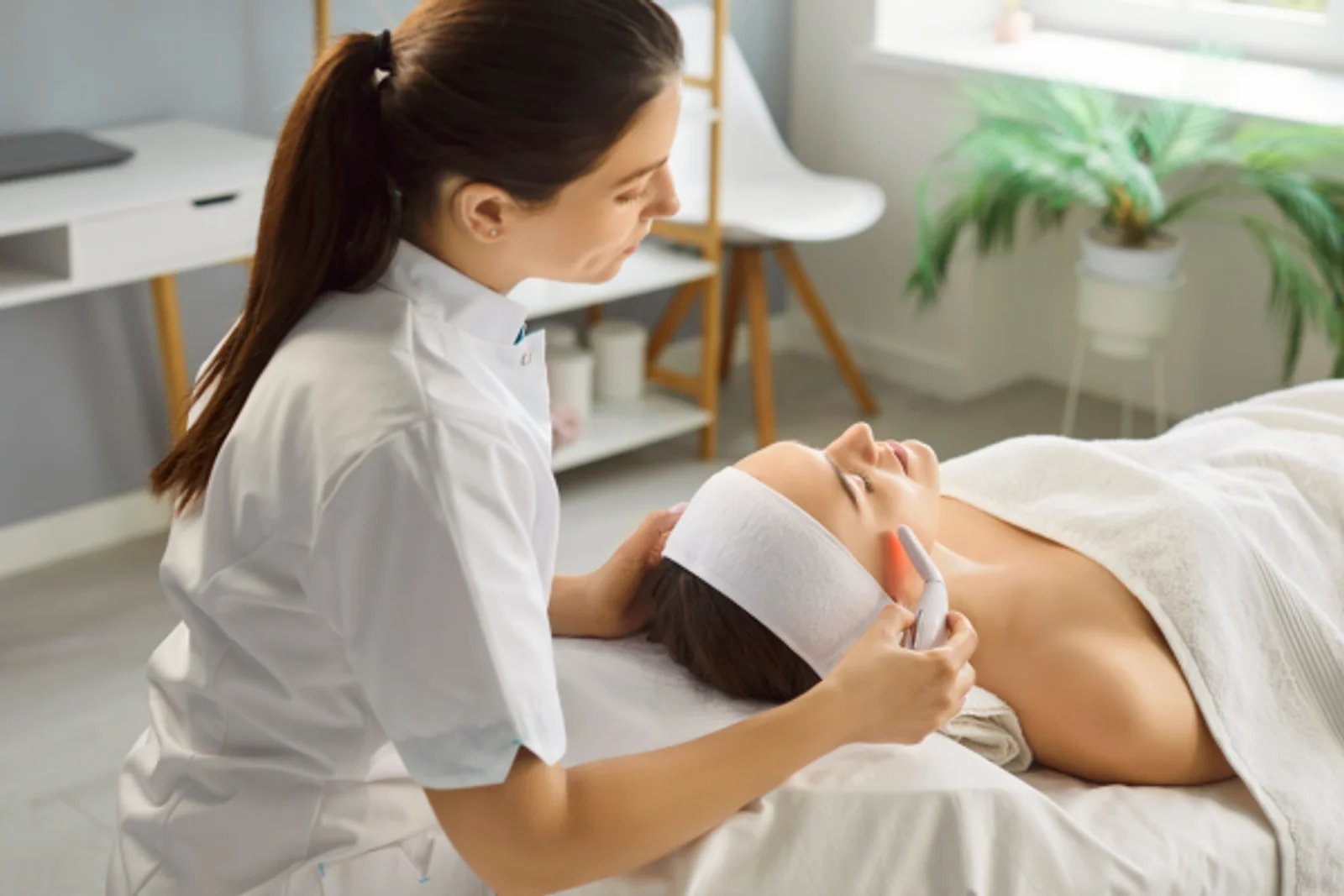
Top Medical Esthetician Skills to Excel in the Industry
The medical esthetics industry continues to grow as more people seek non-invasive treatments that support […] …
Read article
5 Things to Consider Before Enrolling in an Early Childcare Assistant Program
Choosing a career in early learning and childcare means stepping into a role that supports […] …
Read article
Stronger Communities, Brighter Futures: How Anderson College Helps Protect Ontario
Supporting communities is at the heart of Anderson College’s mission, and it has been for […] …
Read article