
Top Medical Esthetician Skills to Excel in the Industry
By Jennifer Maki · Communications Specialist
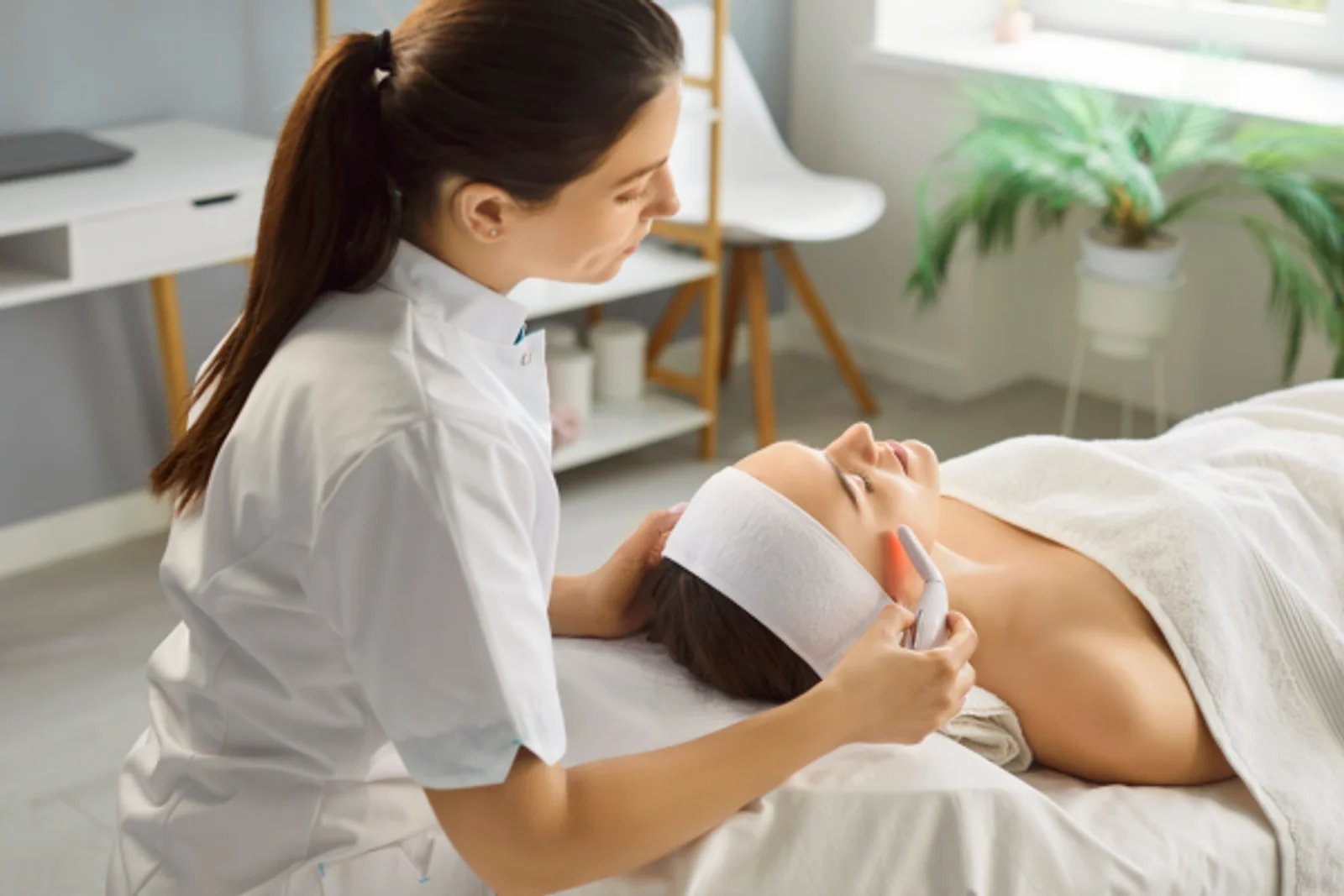
The medical esthetics industry continues to grow as more people seek non-invasive treatments that support skin health, confidence, and overall well-being. From advanced skincare therapies to laser-based procedures, modern esthetics blends beauty, wellness, and technology in ways that continue to expand career opportunities.
A successful career in medical esthetics requires more than an interest in skincare. Strong medical esthetician skills include technical knowledge, precision, communication, professionalism, and the ability to build trust with clients.
For aspiring professionals, understanding these essential skills can help clarify what it takes to thrive in a rewarding and client-focused industry.
Medical Esthetician Skills That Support Long-Term Success
Medical esthetics combines hands-on treatments with advanced technology and client care. Professionals often work in spas, wellness centres, skincare clinics, and medical esthetics environments where results, safety, and experience all matter.
Developing the right skill set helps prepare students for a successful medical esthetician career while building confidence in both technical and interpersonal areas. These are the skills you need to thrive in this expanding industry.
1. Strong Knowledge Of Skin And Skincare Treatments
A strong foundation in skincare knowledge is essential in medical esthetics.
Medical estheticians need to understand skin anatomy, common skin conditions, skin types, and treatment suitability. This knowledge supports informed decisions when recommending services or products to clients.
Strong skincare understanding helps professionals:
- recognize differences between skin types and sensitivities
- recommend treatments based on individual concerns
- understand common conditions such as acne, pigmentation, and aging skin
- support treatment planning with informed product recommendations
- conduct effective skin analysis before procedures
Medical estheticians often perform facials, anti-aging procedures, exfoliation treatments, and skin rejuvenation services that require both technical understanding and careful assessment.
2. Technical Skills With Advanced Esthetics Technology
Medical esthetics is closely connected to technology.
Professionals are expected to understand how to safely operate modern treatment equipment while knowing when and why specific technologies are appropriate.
Today’s medical esthetics settings often use:
- intense pulsed light (IPL) systems
- radiofrequency technology
- microdermabrasion equipment
- advanced facial devices
- devices used during laser treatment procedures
Understanding equipment operation, treatment benefits, and safety considerations helps create better outcomes for clients.
For a closer look at how technology shapes this field, explore the blog: Medical Esthetician: A Look Inside This Specialized Career.
3. Attention To Detail And Precision
Medical esthetics is a detail-oriented profession.
Many treatments require careful application, precision, and consistency. Small differences in technique can influence both safety and results.
Attention to detail matters when performing:
- hair removal treatments
- lash and brow services
- facial procedures
- advanced skincare applications
- treatment preparation and sanitation steps
Precision supports client satisfaction while helping professionals maintain strong treatment standards.
4. Excellent Communication And Client Consultation Skills
Strong communication is one of the most valuable skills in medical esthetics.
Clients often arrive with questions, concerns, or uncertainty about treatments. Medical estheticians must know how to explain procedures clearly, create comfort, and build trust.
Communication skills support professionals in:
- understanding client goals and concerns
- explaining treatment expectations
- answering questions honestly and professionally
- helping clients feel relaxed during procedures
- building long-term relationships and repeat visits
Client consultation is often where trust begins.
For additional insight into consultation and assessment, read: A Medical Esthetician’s Guide to Skin Analysis & Client Care.
Curious about what it takes to work with clients and advanced skincare treatments? Learn more about our Medical Esthetician Diploma program.
5. Professionalism And Hygiene Practices
Professional standards are essential in medical esthetics.
Cleanliness, sanitation, and safe treatment procedures protect both the client and the practitioner. Strong hygiene practices also help create trust and confidence.
Medical estheticians are expected to:
- maintain clean workspaces and sanitized equipment
- follow proper sterilization procedures
- understand treatment safety protocols
- maintain professionalism in appearance and communication
- create a safe and welcoming environment
Professional habits are often what separate a good experience from an exceptional one.
6. Business And Customer Service Skills
Medical esthetics is both a treatment-focused and client-focused industry.
Many professionals work in environments where customer experience matters just as much as technical skill.
Business awareness can support long-term success through:
- appointment scheduling and organization
- product recommendations and retail awareness
- client retention and relationship building
- understanding service value and professionalism
- supporting growth within clinics, spas, or independent practice
Strong customer service helps professionals build trust while creating opportunities for long-term career growth.
For additional insight into business success, read: How to Succeed as a Medical Esthetician Business Owner.
Developing These Skills Through Medical Esthetician Training
Building strong skills requires structured training and hands-on practice.
Anderson College’s Medical Esthetician Diploma program runs for 66 weeks and includes a 4-week practicum that gives students practical experience in real-world settings. The program totals 1,320 hours of training and combines technical instruction with hands-on learning.
Students build experience through training in:
- skincare treatments, facials, and advanced therapies
- body treatments and spa massage
- hair removal techniques, including laser hair removal
- makeup, lashes, brows, manicures, and pedicures
- tattoo removal and remedial makeup
- IPL skin rejuvenation and non-ablative fractionated laser skin resurfacing
- technologies such as laser, radiofrequency, and microdermabrasion
This combination of classroom learning, lab practice, and practicum experience helps students prepare for real client environments.
For those researching how to become a medical esthetician in Canada, structured training provides both technical development and practical confidence.
But to catch a glimpse of what is really extraordinary about this dynamic program, watch this video:
After reading all this and hearing from our students, are you ready to build the skills needed for a career in medical esthetics? Let us help you navigate your options and the details. Book a virtual appointment with one of our admissions advisors.
Conclusion: Building Confidence Through Skill Development
Success in medical esthetics requires a balance of technical ability, professionalism, communication, and client care.
Developing strong skincare knowledge, treatment precision, hygiene practices, and interpersonal skills can help prepare students for rewarding opportunities in beauty, wellness, and skincare environments.
With hands-on training and real-world experience, students can build the confidence needed to grow in a rapidly evolving industry.
Quick Steps To Explore Your Next Move
- Learn more about the Medical Esthetician Diploma program
- Take the Medical Esthetician Career Discovery Quiz
- Book a virtual appointment with an admissions advisor
____________________
Quick Links to Fuel Your Success!
We want to make sure you have what you need to succeed! Check out these reference links:
Found this useful? Share it with a friend who's exploring their next career step.
Frequently asked questions
Quick answers about applying, funding, and life at Anderson College.
What skills are needed to become a medical esthetician?
Medical estheticians need skincare knowledge, technical treatment abilities, communication skills, professionalism, and attention to detail.
Is medical esthetician a good career in Canada?
Yes. Medical esthetics continues to grow as more clients seek skincare treatments, wellness services, and non-invasive procedures.
What do medical estheticians do daily?
Medical estheticians perform treatments such as facials, consultations, exfoliation services, and technology-based skincare procedures.
Do medical estheticians use advanced technology?
Yes. Professionals often work with devices such as IPL, radiofrequency systems, and microdermabrasion equipment.
Is communication important in medical esthetics?
Yes. Strong communication helps clients understand treatments, feel comfortable, and build trust with practitioners.
What is the role of hygiene in medical esthetics?
Hygiene protects both clients and practitioners by ensuring clean workspaces, sterilized tools, and safe treatment practices.
Can medical estheticians work in clinics?
Yes. Medical estheticians may work in clinics, spas, wellness centres, skincare facilities, or independent practice.
How long does it take to complete a program at Anderson College?
What financial aid options are available?
Are international students welcome?
How do I apply?
Does Anderson College offer job placement support?
Still have a question? Speak with an Admissions Advisor →
More from the blog
What You’ll Learn in a Medical Esthetician Program
A successful career in esthetics is built on far more than an interest in skincare. […] …
Read article
Where Do Medical Estheticians Work?
If you’re curious about skincare careers but wondering whether esthetics really goes beyond salons and […] …
Read article
From Courtroom Battles to Confidence in Medical Esthetics: Aida’s Journey
Each year, in the spirit of celebrating the diverse and powerful experiences of our students, […] …
Read article