
Medical Esthetician: A Look Inside This Specialized Career
By Jennifer Maki · Communications Specialist
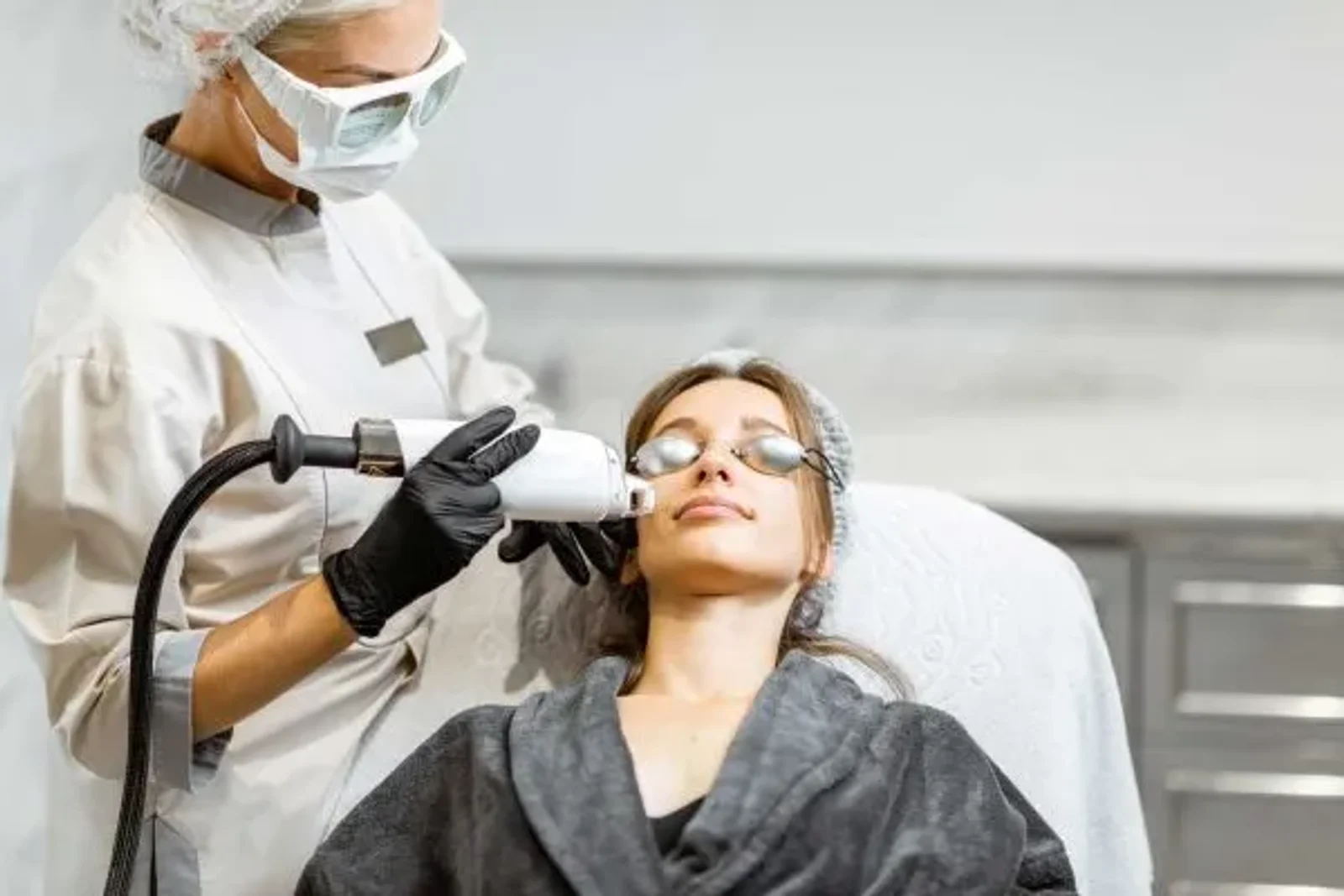
Medical estheticians play a vital role in today’s booming wellness and skincare industry, offering a powerful blend of advanced beauty techniques and clinical care. This field is one of the fastest-growing segments of the spa industry in Canada, driven by population growth, wellness trends, and a rising demand for non-invasive skin treatments.
If you’re looking to transform your passion for skincare into a rewarding profession or want to take your current esthetics training to a higher level, this guide offers the key steps to launch your medical esthetician career.
Explore this medical esthetician career path and see how, in just over a year, you could be thriving in this specialized, in-demand field.
All You Need to Know About Becoming a Medical Esthetician (ME)
UNDERSTANDING MEDICAL ESTHETICS
What is Medical Esthetics?
Medical esthetics is a specialized field at the intersection of beauty, wellness, and healthcare. It involves advanced, non-invasive skin care treatments that go beyond traditional spa services. Medical estheticians are trained to deliver clinical skincare solutions, often using technologies like lasers, radiofrequency, and intense pulsed light (IPL), helping clients address skin conditions, improve skin tone and texture, and achieve aesthetic goals with medically informed approaches.
This career is ideal for those passionate about skincare and looking to combine hands-on treatments with science-based techniques to improve people’s lives.
The Role of an ME
A medical esthetician performs a wide range of advanced skincare services, including:
- Anti-aging and skin rejuvenation treatments
- IPL and laser-based therapies for acne, scarring, or pigmentation
- Tattoo and hair removal using specialized technology
- Post-surgical skin care in support of medical teams
- Client consultations, treatment plans, and follow-up support
In addition to technical expertise, MEs must have excellent interpersonal skills to connect with clients, as well as adhere to the highest standards of hygiene and infection control. These combined skills make them trusted professionals within clinical and wellness environments.
Where Do MEs Work?
With specialized training, graduates of a medical esthetician program can explore diverse work environments, including:
- Medical spas and skin care clinics
- Cosmetic dermatology and plastic surgery offices
- High-end salons and destination spas
- Independent practices or mobile services
- Teaching and training roles within esthetician schools.
These career paths allow for flexibility, entrepreneurship, and a dynamic day-to-day experience.
WHY MEDICAL ESTHETICIANS ARE GROWING DEMAND
Rising Awareness of Skin Health
Across Canada, skincare is increasingly being viewed not just as a cosmetic concern, but as a vital part of health and well-being. This growing awareness has led more people to invest in preventive skincare routines, natural and clinically backed products, and personalized treatments that target long-term skin health. As a result, there’s a rising demand for trained medical estheticians who can offer safe, results-driven solutions using advanced techniques and technologies.
Advancements in Technology
Breakthroughs in skincare technology have revolutionized how treatments are performed, making results faster, safer, and more effective than ever before. From IPL to radiofrequency and microdermabrasion, evolving technologies allow medical estheticians to deliver visible results with minimal downtime. Clients now seek out professionals who are trained to use this equipment effectively and safely, something taught in any modern, leading-edge medical esthetician course and diploma programs like the one at Anderson College.
Non-Invasive Procedure Preference
Today’s clients are increasingly opting for non-invasive treatments that deliver results without the risks or recovery time of surgery. Services like laser skin rejuvenation, radiofrequency skin tightening, and chemical peels offer effective, targeted outcomes with minimal discomfort. This growing preference has made non-invasive skincare a cornerstone of modern esthetics … and a key focus in Anderson’s advanced diploma program, designed to meet this evolving demand.
WHAT MAKES THIS CAREER OPTION ‘SPECIALIZED’?
Medical vs. Traditional Esthetician
Unlike traditional estheticians who focus on relaxation-based treatments (e.g., facials, waxing, or manicures), medical estheticians are trained in advanced, clinical procedures. Their work often supports dermatologists and surgeons, making their services more technical and health oriented.
To understand the key differences read our popular post: Esthetician vs Medical Esthetician – Essential Differences to Know
Working Alongside Healthcare Professionals
Graduates of a medical esthetician college are uniquely positioned to collaborate with doctors, nurses, and dermatologists in clinical settings. Their work supports both cosmetic goals and medical recovery, offering treatments that enhance healing, improve skin integrity, and boost patient confidence. It’s a role that bridges clinical precision with compassionate care.
Advanced Clinical Skin Treatments & Techniques
This is an opportunity to learn, access and utilize the latest in technology and techniques to support clients and patients. Specialized instruction covers:
- Laser therapies for skin resurfacing and rejuvenation
- IPL for anti-aging and acne treatment
- Radiofrequency for skin tightening
- Tattoo and laser hair removal
- Microdermabrasion to improve skin tone and texture
These techniques require extensive training and safety knowledge, skills that our students develop in Anderson’s fully equipped, spa-grade training environment.
WHAT YOU WILL LEARN: Training in the ME Program
Students enrolled in the Medical Esthetician Diploma Program at Anderson College receive both basic esthetics and advanced medical skincare training.
Basic Esthetics Training Includes:
- Facial skincare with a focus on facial treatments (including chemical peels)
- Manicures & Pedicures
- Remedial makeup
- Body treatments and spa massages
- Waxing and hair removal techniques.
Advanced Medical Skincare Training Includes:
- IPL skin rejuvenation
- Non-ablative fractionated laser (NAFL) treatments
- Laser hair and tattoo removal
- Radiofrequency therapies
- Microdermabrasion using industry-standard machines.
This 66-week, full-time program includes a 4-week practicum with potential employers, ensuring students graduate job-ready and confident.
BENEFITS OF PURSUING A CAREER IN MEDICAL ESTHETICS
Higher Earning Potential
Medical estheticians often earn more than traditional spa professionals due to their advanced training and ability to deliver specialized treatments. Their services are sought-after, and clients are willing to pay a premium for visible, non-surgical results.
Professional Growth
Graduates can continue building their careers through advanced certifications, mentorship, or even entrepreneurship. Some become spa owners, while others move into clinical, medical, or instructional roles.
Diverse Career Options
Whether you want to work in a tranquil spa, a cutting-edge medical clinic, or launch your own skincare brand, this field offers variety and creative freedom.
In-Demand Role
As Canadians continue to prioritize health, wellness, and self-confidence, the demand for skilled skincare professionals is on the rise. Medical estheticians with advanced, hands-on training are especially sought after in clinics, spas, and wellness centres in Ontario and across the country. Employers value graduates who are not only technically trained but also confident working with advanced technologies and delivering personalized client care. With the right credentials – like those earned through Anderson College’s Medical Esthetician Diploma Program – you’ll be well-positioned to stand out in a growing, competitive field.
__________________
STEPPING INTO YOUR FUTURE
How to become a medical esthetician? It begins with knowing what you want and then taking the leap to train in this truly specialized career. With the growing demand for non-invasive treatments and health-focused beauty services, professionally trained estheticians are in more demand than ever. If you’re looking for a meaningful, hands-on career that offers flexibility, growth, and the chance to make a real impact, this could be your path.
Still wondering if this field is for you? Take the “Medical Esthetician Career Discovery Quiz”. But when you’re ready to launch your Medical Esthetician career, we’re here to help you navigate the steps to achieve your career goals.
Book a virtual appointment with us today and let’s get you started!
Quick Links to Fuel Your Success!
We want to make sure you have what you need to succeed! Check out these reference links:
- Medical Esthetician – Medical Esthetician Course & Program at Anderson College
- Esthetician vs Medical Esthetician – Essential Differences to Know
- 7 Amazing Benefits of Working in a Medical Spa
- 5 Tips for Achieving Career Success as a Medical Esthetician
Frequently Asked Questions (FAQs)
1. What can a medical esthetician do that a regular esthetician can’t?
Medical estheticians perform advanced skin procedures like laser treatments, chemical peels, and post-surgical skincare under medical supervision—beyond the scope of spa estheticians.
2. How long does it take to become a medical esthetician?
At Anderson College, you can complete your medical esthetics training in just over one year, gaining the skills to begin your career right away.
3. What are the benefits of being a medical esthetician?
You’ll enjoy flexible work options, career stability, continuous learning, and the reward of improving clients’ confidence and skin health.
4. What industries hire medical estheticians?
Graduates can find work in dermatology offices, cosmetic clinics, medispas, and laser centers or even start their own skincare business.
5. Is medical esthetics a growing career in Canada?
Yes! With the rise in non-surgical cosmetic treatments and the focus on skincare wellness, demand for qualified medical estheticians continues to rise.
Found this useful? Share it with a friend who's exploring their next career step.
Frequently asked questions
Quick answers about applying, funding, and life at Anderson College.
How long does it take to complete a program at Anderson College?
What financial aid options are available?
Are international students welcome?
How do I apply?
Does Anderson College offer job placement support?
Still have a question? Speak with an Admissions Advisor →
More from the blog
Top Medical Esthetician Skills to Excel in the Industry
The medical esthetics industry continues to grow as more people seek non-invasive treatments that support […] …
Read article
5 Things to Consider Before Enrolling in an Early Childcare Assistant Program
Choosing a career in early learning and childcare means stepping into a role that supports […] …
Read article
Stronger Communities, Brighter Futures: How Anderson College Helps Protect Ontario
Supporting communities is at the heart of Anderson College’s mission, and it has been for […] …
Read article