
Esthetician vs Medical Esthetician – Essential Differences to Know
By Jennifer Maki · Communications Specialist
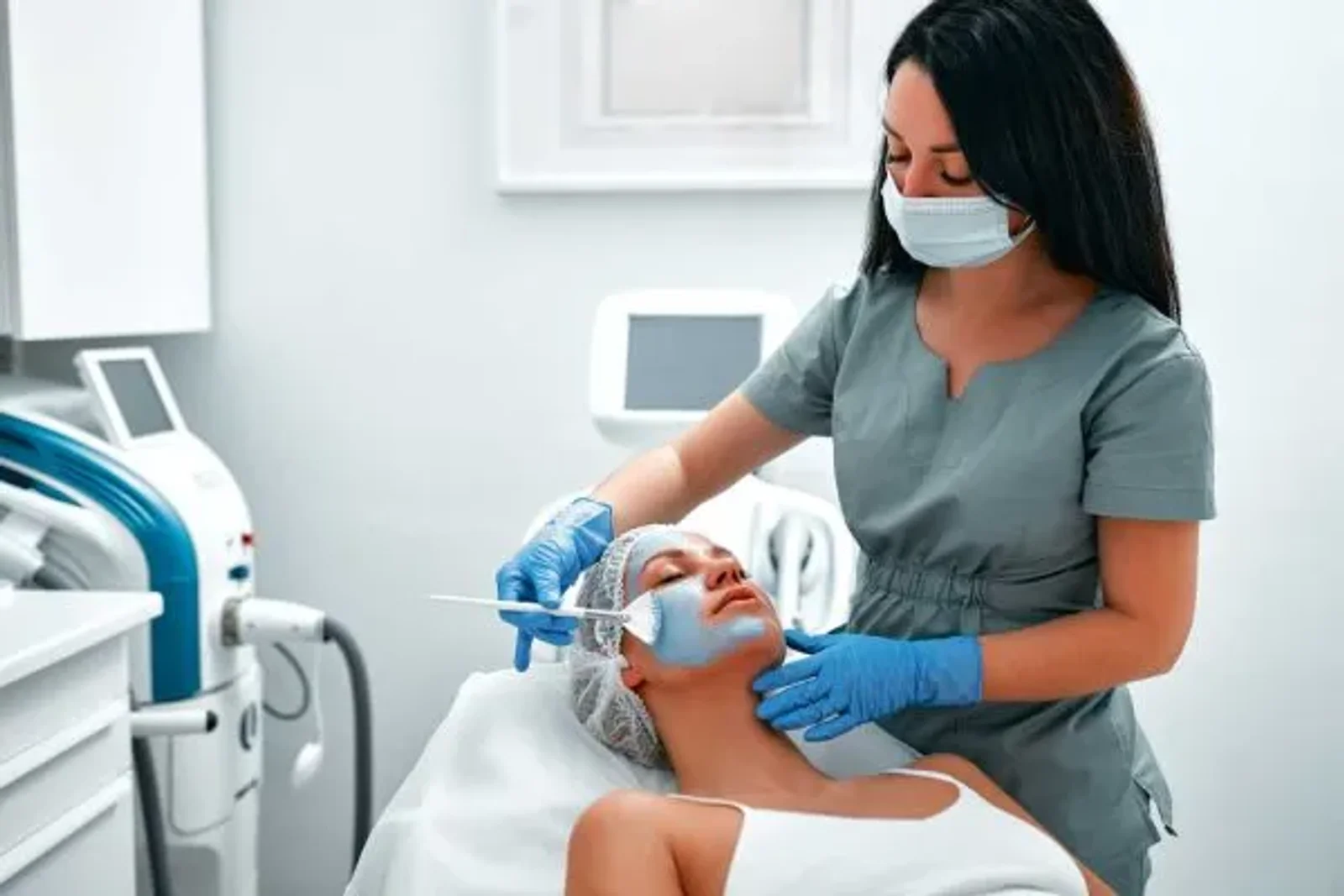
Esthetician vs Medical Esthetician: Which Path Is Right for Me?
You have a passion for bringing out the beauty of life, a vision for delivering services that make people feel pampered and their best. But you may be wavering between where to focus your talents at a beauty institute/beauty college.
There are fundamental distinctions between becoming an esthetician and gaining your medical aesthetics certificate. And while both are amazing careers, understanding how medical aesthetic training courses can give you the leading edge in the industry is info you can leverage for taking your future to new heights.
Difference Between an Esthetician and a Medical Esthetician?
These details can empower you to make an informed decision about the best fit for you.
What does an esthetician focus on?
An Esthetician works in non-medical settings such as salons and spas. They support clients with everyday skin concerns like dryness, breakouts, uneven tone, and early signs of aging. Typical services include:
- Facials
- Cleansing, exfoliation & toning
- Light peels
- Waxing
- Spa massage & body treatments
Estheticians provide valuable services, but they don’t have the advanced technical training required to work with dermatologists or in clinical environments.
What does a medical esthetician focus on?
A Medical Esthetician (ME) is trained to work with deeper skin concerns and medical-grade technologies. Through advanced medical esthetic training, they gain knowledge in:
- Chemistry
- Nutrition
- Medical-grade equipment
- Clinical skincare protocols
Medical Estheticians can perform treatment-level services such as:
- Lasers
- IPL
- Radiofrequency
- Advanced peels
- Clinical rejuvenation therapies
Their skillset allows them to work alongside dermatologists, physicians, and medical spa teams.
Is Becoming a Medical Esthetician Worth It? (Benefits & Career Advantages)
While bringing skin wellness and beauty enhancement as an esthetician is highly rewarding, there are opportunities to expand your abilities and offerings. At a time when self-care and holistic wellness are on the rise and the field of esthetics is advancing and evolving at unprecedented rates, you have a distinct opportunity to elevate your expertise to prestigious levels that can set you apart as an ME.
To learn more about the ideal opportunity at your door, read our popular blog, A Billion Dollar Industry Needs You – Explore Medical Esthetics Today.
As a medical esthetician you will offer specialized treatments and expand your ability to serve clients on new levels. These will include:
Services, such as:
- Facials
- Chemical peels
- Microdermabrasion
- Laser skin rejuvenation therapies
- Light therapy
- Lesion and cellulite reductions
Clinical responsibilities
- Work with medical charts
- Support dermatology teams
- Provide pre- and post-treatment care
- Educate patients on aftercare
To learn more about what you’ll experience on the job, you can connect with our blog, A Glimpse into a Day and the Life of a Medical Esthetician.
And if you’re exploring your options on work environments, this is one area you’ll want to dive into and learn about. 7 Amazing Benefits of Working in a Medical Spa.
How Do I Train to Become a Medical Esthetician?
Are you still wondering if this path to becoming an ME is for you? – Take the “Anderson College Medical Professional Career Training Readiness Quiz”.
But if you’re ready to leap and discover a program that can get you launched in 66 weeks and includes a 4-week hands-on practicum with potential employers, then do we have a program for you! At Anderson College, we are more than a team and community of student-centred support, we really do aim to connect and grow as a family. Our class size is small to ensure you have an audience with your industry-expert instructors, and from program selection and graduation to interviewing for and landing that dream job, we’re here to encourage and empower you every step along the way.
Anderson’s ME program includes:
- Blend of theoretical and practical hands-on learning in our facility spa and specialized equipment.
- Curriculum focused on skin care, human anatomy, nutrition, and the importance of bacteriology and decontamination to both the esthetician and client.
- Training in services including nail technology, skin care, manicures and pedicures, make-up artistry, body treatments, facials and various laser treatments.
- Business management so that you are equipped to understand how to run your own salon, spa.
- Customer service strategies in developing and maintaining positive customer relationships and adhering to the professional standards and ethics of the industry.
- Preparation for practicing skills and applying knowledge within a medical environment.
Whether new to Canada and looking to expand your experience, trained in healthcare and wanting to specialize, or new to this sector and fascinated by where this diploma can take your future, this program is second-to-none.
__________
Now that you’re keenly aware of the differences between esthetician and medical esthetician, perhaps you’re ready to learn more about next steps for your Medical Esthetician career. Our team is here to help you navigate your way. Book a virtual appointment with us today and let’s get you started!
Quick Links to Fuel Your Success!
We want to make sure you have what you need to succeed! Check out these reference links:
- Medical Esthetician – Medical Esthetician Course & Program at Anderson College
- 7 Amazing Benefits of Working in a Medical Spa
- The Facts and Benefits of Facials
- 5 Tips for Achieving Career Success as a Medical Esthetician
Frequently Asked Questions (FAQs)
1. What is the difference between an esthetician and a medical esthetician?
An esthetician offers spa-based services like facials and waxing, while a medical esthetician performs advanced treatments such as lasers, IPL, and clinical skin procedures alongside medical teams.
2. How long does it take to become a medical esthetician?
Most students complete the program in about 66 weeks, including hands-on practicum training.
3. Where can medical estheticians work?
Medical spas, dermatology clinics, cosmetic surgery centres, wellness clinics, and laser clinics.
4. Do I need previous experience to enroll?
No. Many students begin with no background in skincare or healthcare.
5. Is a career college a good path for medical esthetic training?
Yes, Career colleges offer hands-on learning, small classes, and direct pathways to employment through practicum placements.
Found this useful? Share it with a friend who's exploring their next career step.
Frequently asked questions
Quick answers about applying, funding, and life at Anderson College.
How long does it take to complete a program at Anderson College?
What financial aid options are available?
Are international students welcome?
How do I apply?
Does Anderson College offer job placement support?
Still have a question? Speak with an Admissions Advisor →
More from the blog
Top Medical Esthetician Skills to Excel in the Industry
The medical esthetics industry continues to grow as more people seek non-invasive treatments that support […] …
Read article
5 Things to Consider Before Enrolling in an Early Childcare Assistant Program
Choosing a career in early learning and childcare means stepping into a role that supports […] …
Read article
Stronger Communities, Brighter Futures: How Anderson College Helps Protect Ontario
Supporting communities is at the heart of Anderson College’s mission, and it has been for […] …
Read article