
Inside Medical Office Administration, Skills and Career Outlook
By Jennifer Maki · Communications Specialist
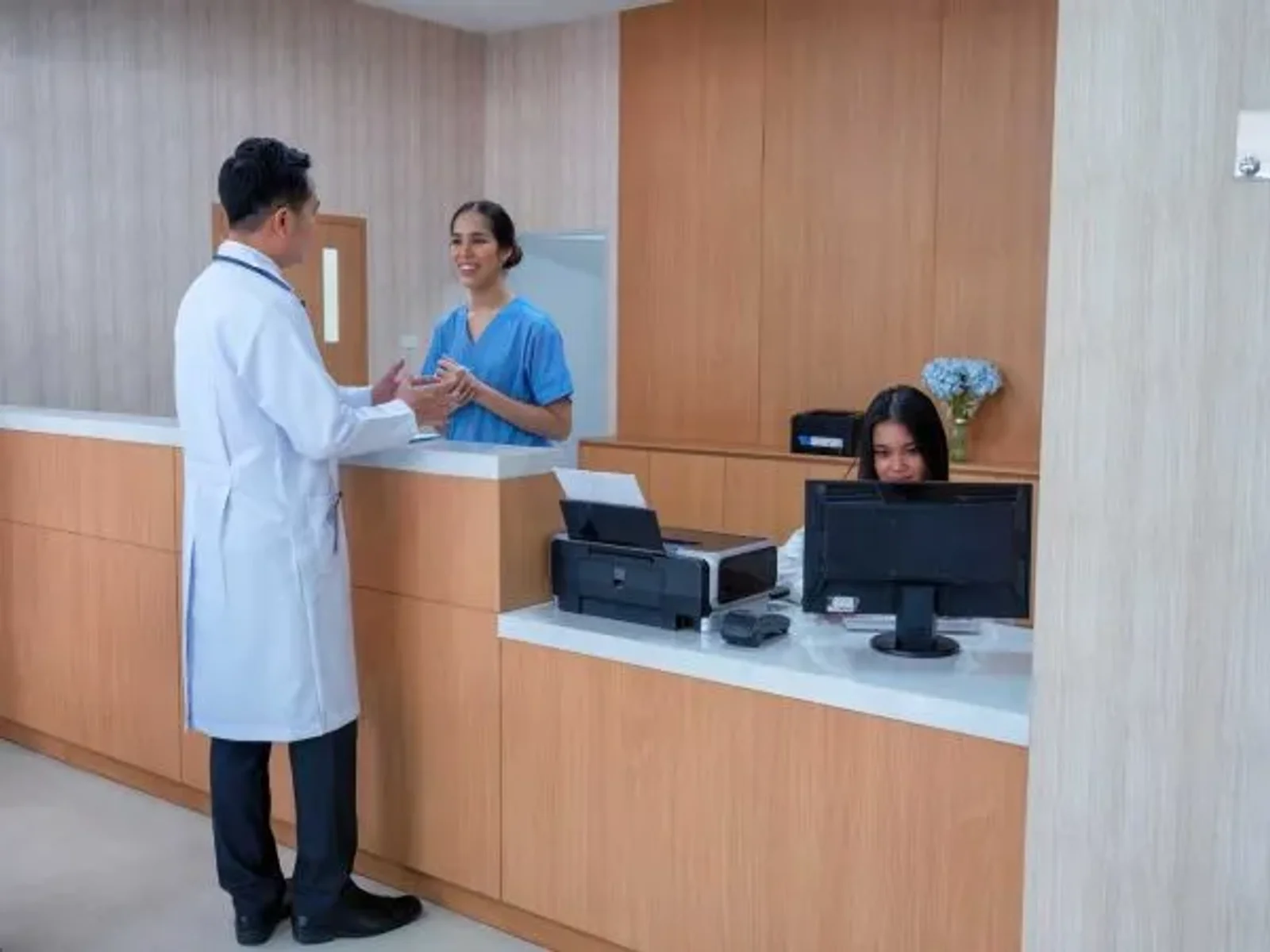
There is no secret to a smooth-running clinic, hospital department or private practice – it’s due to a highly organized and adaptable professional, a medical office admin (MOA). Acting as the first point of contact for patients and a critical link between healthcare providers and administrative systems, Medical Office Administrators keep the business side of healthcare moving efficiently.
In today’s healthcare landscape, this role is more vital than ever. The demand for skilled medical administrative officers continues to grow across Canada, fuelled by population growth, increased healthcare needs, and a shift toward more patient-focused services. According to Government of Canada Job Bank data, employment prospects for medical office administration are rated as Good to Very Good in most provinces, with stable wages and strong long-term career opportunities.
Let’s take a deeper dive into your potential Medical Office Administration career, the responsibilities you’ll have, the skills required and the job market and outlook you can expect. If you’ve ever considered an in-person medical office administration program or medical office administration online and training to gain your medical office administration diploma … this article is for you!
What You Can Expect in a Medical Office Administration Career
What Do Medical Office Administrators Do in a Healthcare Setting?
Whether in a family physician’s office, a busy hospital department, or a community clinic, Medical Office Administrators manage the essential functions that allow healthcare teams to focus on patient care.
- Welcoming Patients and Managing Appointments
You’ll be the warm, welcoming face patients first encounter, handling check-ins, scheduling, and appointment coordination. - Handling Billing Processes
From insurance verification to processing payments, Medical Office Administrators ensure that billing is accurate and compliant with healthcare regulations. - Maintaining Accurate Medical Records
Keeping patient information up to date in Electronic Medical Records (EMR) systems is a key responsibility, ensuring providers have the data they need for diagnosis and treatment. - Coordinating Communication Between Patients and Staff
Medical Office Administrators relay information, schedule follow-ups, and manage messages between patients and medical teams. - Ensuring Compliance with Healthcare Regulations
You’ll safeguard patient privacy and follow Canadian standards like Personal Information Protection and Electronic Documents Act (PIPEDA) to maintain confidentiality. - Managing Office Supplies and Administrative Tasks
From ordering medical supplies to maintaining an organized workspace, Medical Office Administrators keep the clinic running smoothly. - Supporting Clinical Staff with Essential Documentation
Medical Office Administrators prepare forms, referrals, and reports so doctors, nurses, and other healthcare staff can focus on direct patient care.
Essential Skills of a Medical Office Administrator
To excel in medical office administration, you’ll need a blend of interpersonal, organizational, and technical skills:
- Strong Communication Skills – Build trust with patients and collaborate effectively with healthcare teams.
- Attention to Detail and Accuracy – Precision matters in patient records, billing, and scheduling.
- Organizational and Time Management Abilities – Keep multiple tasks on track in busy environments.
- Knowledge of Medical Terminology – Understand the language of healthcare to communicate clearly.
- Customer Service and Interpersonal Skills – Create a welcoming and reassuring atmosphere for patients.
- Problem-Solving and Critical Thinking – Navigate unexpected situations with calm and confidence.
Anderson College’s Medical Office Administrator diploma integrates these skills into every course, from Medical Terminology and Medical Office Administration to EMR and Medical Billing, preparing graduates to meet employer expectations from day one.
Career Outlook & Job Market for Medical Office Administrators
Growing Demand for Medical Office Administrators
Canada’s aging population and expanding healthcare services are increasing the need for trained Medical Office Administrators in hospitals, private practices, long-term care facilities, and community health centres.
Employment Opportunities Across Healthcare Settings
As an Medical Office Administrator, you could work in:
- Hospitals
- Insurance Companies
- Community Healthcare Agencies
- Addiction Centres
- Private Laboratories
- Specialty Offices
- Physicians’ Offices
- Clinical Research Companies
- Wellness Centres
- Long-Term Care Facilities
- Retirement Homes
Impact of Healthcare Industry Trends
Digital transformation and EMR adoption mean employers value candidates who are tech-savvy and comfortable with healthcare software from the outset.
Job Stability and Long-Term Prospects
Medical administrative roles are consistently in demand, offering strong job security and predictable career progression.
Advancement Potential
With experience, Medical Office Administrators can move into supervisory, office management, or health information roles, or pursue additional certifications for specialized healthcare administration positions.
Your Medical Office Administration Future
Medical office administrators are the backbone of healthcare operations, blending administrative expertise with patient-centered service. If you’re looking for a stable, meaningful career with room to grow, medical office administration offers exactly that.
At Anderson College, we offer a variety of Medical Office Administrator programs to meet your needs:
- 44-week in-person diploma at our Brantford, Kitchener, London, and Windsor campuses
- 48-week in-person CCHIM-accredited program (with practicum) at select locations
- 44-week online program (with Capstone project).
In less than a year, you can gain the skills, confidence, and credentials to launch your career in healthcare administration.
*Please take special note – only the Medical Office Administrator program that includes a practicum is accredited by the Canadian College of Health Information Management (CCHIM). Students who opt for the Capstone project will not graduate from an accredited program.
Get a deeper insight into our Medical Office Administration programs – visit our program pages to learn more:
Take the first steps today:
We recognize your success is our success and we’re here to help you navigate the steps from program selection to career launch. Reach out and connect. We look forward to meeting you!
We want to make sure you have what you need to succeed! Check out these reference links:
- Medical Office Administrator programs at Anderson College – in person CCHIM accredited **
- Medical Office Administrator program at Anderson College – Online
- What a Medical Office Administrator Does – Anderson Blog
- 5 Ways a MOA Program Preps you for Clinics and Hospitals – Anderson Blog
Patient Confidentiality and YOU – For Medical Office Admin Graduates – Anderson Blog
Found this useful? Share it with a friend who's exploring their next career step.
Frequently asked questions
Quick answers about applying, funding, and life at Anderson College.
How long does it take to complete a program at Anderson College?
What financial aid options are available?
Are international students welcome?
How do I apply?
Does Anderson College offer job placement support?
Still have a question? Speak with an Admissions Advisor →
More from the blog

5 Things to Consider Before Enrolling in an Early Childcare Assistant Program
Choosing a career in early learning and childcare means stepping into a role that supports […] …
Read article
Stronger Communities, Brighter Futures: How Anderson College Helps Protect Ontario
Supporting communities is at the heart of Anderson College’s mission, and it has been for […] …
Read article
The Importance of Medical Office Administrator: The Backbone of Healthcare
Healthcare in Canada is increasingly complex. Patient volumes are rising. Documentation requirements are expanding. Digital […] …
Read article