
How Cardiology Technologists Use Tech to Empower Heart Health
By Jennifer Maki · Communications Specialist
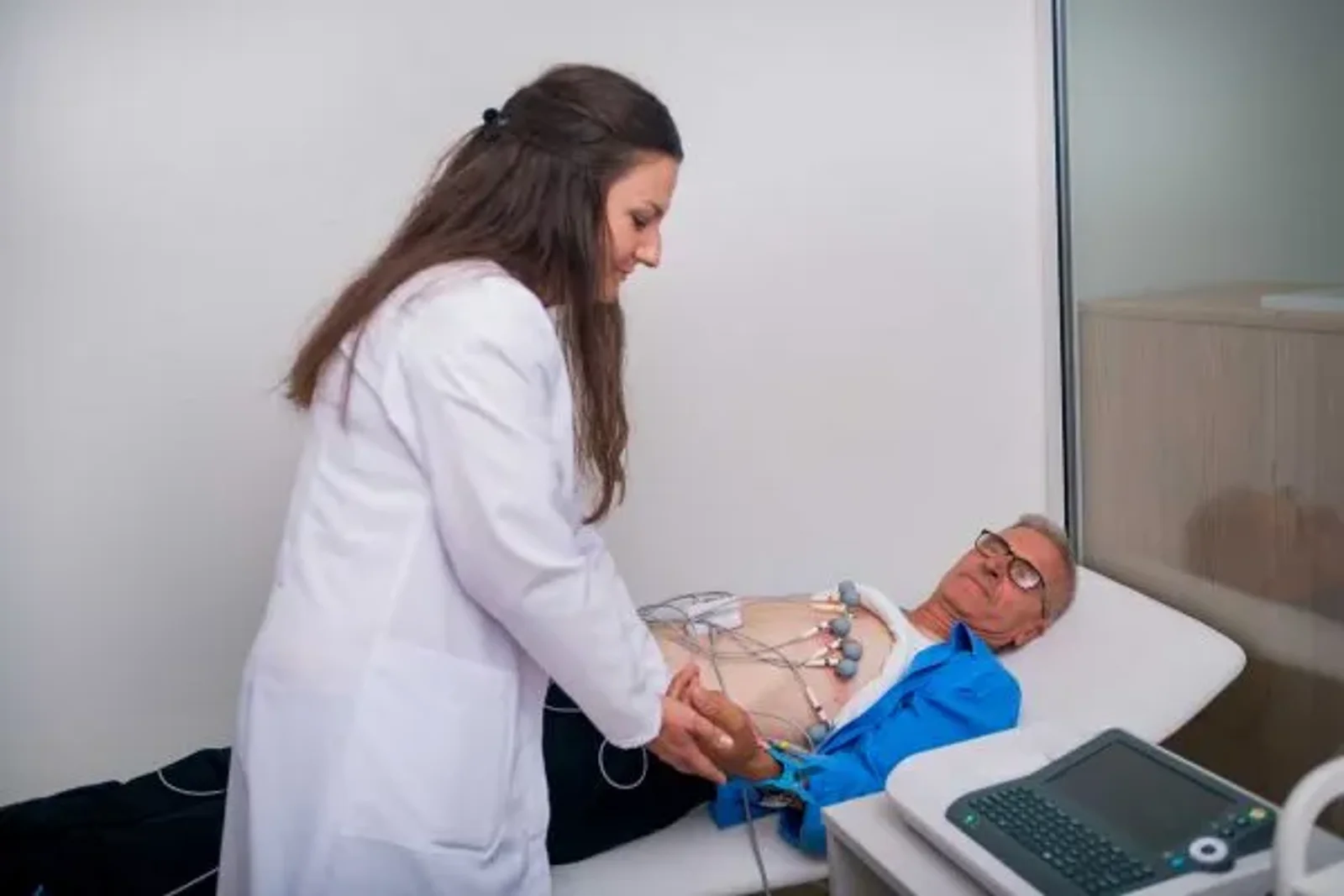
Using state-of-the-art technology, cardiology technologists support physicians as they diagnose, heart and vascular issues and disease – and save lives. With advanced, non-invasive medical technologies, testing, monitoring, and results recording, they can flag cardiovascular irregularities, aiding in the detection of blockages and disease and, alongside cardiologists, help patients take their heart health to new levels.
If you have a passion for patients, a head for science and are interested in an in-demand career that is both challenging and infinity rewarding, as well as lucrative, then cardiac technologist training may be for you.
Anderson College is a leading-edge cardiologist school and its EQual™ accredited Cardiology Technology program consists of cardiac technology courses, taught by industry leaders in fully equipped simulated laboratories, to ensure students are career ready.
To understand the power of technology and how the cardiology technologist wields it …
here are some of the tests they perform and the role each plays in empowering heart health.
Electrocardiograms (ECG/EKG)
With each heartbeat an electrical impulse travels through the heart and causes the muscle to squeeze and pump from the heart. An ECG is a painless, non-invasive way to measure and record that electrical activity. This test can help predict if a heart attack is developing or if one has occurred and can also monitor changes in the heart rhythm.
Ambulatory ECG or Holter Monitoring
If symptoms come and go and can’t be detected by an ECG machine in the healthcare facility, then patients may require continuous or remote ECG monitoring. Holter monitoring records electrical activity of the heart during regular routine and daily activities. It documents and describes abnormal activity and helps doctors determine the condition and the best possible treatments.
Exercise Cardiac Stress Testing (ECST)
This records heart function while patients walk in place on a treadmill, with the use of a monitor with electrodes that are attached to the skin on the chest area. Many aspects of heart function can be reviewed, such as breathing, blood pressure, heart rate, ECG and physical symptoms of the patient as they exercise. This type of testing can help diagnose coronary artery disease, diagnose the possible cause of symptoms, such as chest pain, predict heart attack or even determine a patient’s safe level of exercise.
Cardiac Device Monitoring, Programming & Analysis
When patients require further support for their cardiac health, a pacemaker can be recommended. It is a small device that is implanted in the chest to help control the heartbeat. This can prevent the heart from beating too slowly. A pacemaker is also known as a cardiac pacing device. Implanting does require surgery by a physician, but the cardiologist technologist’s role in this is to educate the patient on its use, monitor, and assist in analysis.
___
In all these tests, the role of cardiology technologist is invaluable. They are the frontline connection for patients, helping them to feel more at ease and cared for. They provide education and instruction for the test. And behind the scenes they monitor the results, review and record and work with the healthcare team to support in diagnose and treatment.
To learn more about exactly what goes on within a cardiac technologist course and program, you can tap our Expert Insights – An Interview with the Chair of Cardiology Technology.
___
Still deciding if this amazing career is for you, or have we sparked your interest in healthcare. To align your passions with purpose, take the “Medical Professional Career Discovery Quiz”.
Interested in exploring your Cardiology Technology career or finding a fit with one of our other 30 leading-edge programs? Book a virtual appointment with our Admissions Team today! We’re here to assist you every step of the way, as you find your next extraordinary career.
Quick Links to Fuel Your Success!
We want to make sure you have what you need to succeed! Check out these reference links:
Found this useful? Share it with a friend who's exploring their next career step.
Frequently asked questions
Quick answers about applying, funding, and life at Anderson College.
How long does it take to complete a program at Anderson College?
What financial aid options are available?
Are international students welcome?
How do I apply?
Does Anderson College offer job placement support?
Still have a question? Speak with an Admissions Advisor →
More from the blog

5 Things to Consider Before Enrolling in an Early Childcare Assistant Program
Choosing a career in early learning and childcare means stepping into a role that supports […] …
Read article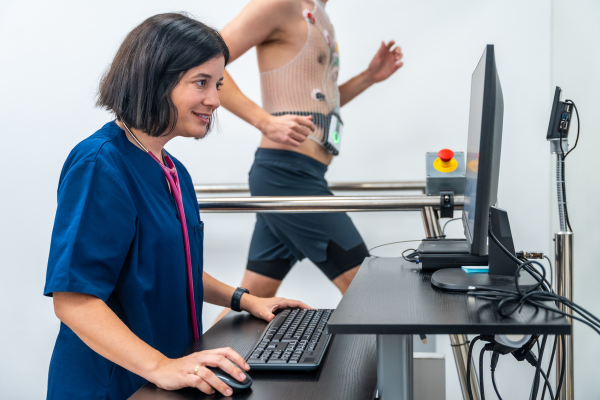
Cardiology Technologist Day in the Life: Inside a Real Clinical Workflow
Cardiovascular health remains one of the most critical areas of modern healthcare, and behind every […] …
Read article
Stronger Communities, Brighter Futures: How Anderson College Helps Protect Ontario
Supporting communities is at the heart of Anderson College’s mission, and it has been for […] …
Read article