
Cardiology Technologist Day in the Life: Inside a Real Clinical Workflow
By Jennifer Maki · Communications Specialist
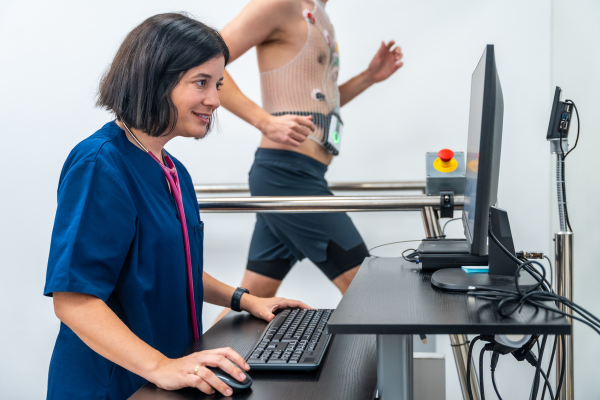
Cardiovascular health remains one of the most critical areas of modern healthcare, and behind every accurate diagnosis is a team of professionals ensuring that cardiac data is captured, interpreted, and communicated with precision. At the centre of that process is the cardiology technologist.
Understanding a cardiology technologist day in the life reveals a role that is both highly technical and deeply patient-focused. While no two days are identical, the work follows a structured clinical rhythm, balancing patient care, diagnostic testing, data interpretation, and collaboration with physicians. It is a profession that requires clinical awareness, attention to detail, and the ability to respond quickly in dynamic healthcare environments.
What a Cardiology Technologist Day in the Life Looks Like
Each day begins with preparation, but quickly moves into a fast-paced workflow where precision and patient interaction are equally important. From diagnostic testing to clinical support, your role directly contributes to how cardiovascular conditions are identified and managed.
Starting The Day: Preparing For Patients And Procedures
Your day typically begins before the first patient arrives. Preparation is not a minor task—it is essential to ensuring accuracy, efficiency, and patient safety throughout the day.
You begin by:
- reviewing patient schedules and test requisitions
- prioritizing urgent or time-sensitive cardiac assessments
- checking and calibrating ECG machines and monitoring equipment
- confirming supplies and ensuring all devices are functioning properly
In many clinical settings, this is followed by a team huddle or briefing where you align with physicians and healthcare staff on patient needs, potential risks, and workflow priorities.
This level of organization ensures that when patients arrive, you are ready to move efficiently without compromising care or diagnostic accuracy.
Conducting Cardiac Tests And Monitoring Patients
A significant portion of your day involves performing diagnostic procedures that assess heart function. This is where technical expertise and patient care intersect.
You are responsible for conducting tests such as electrocardiograms (ECGs), which measure the electrical activity of the heart. These tests require precision in lead placement, equipment operation, and signal interpretation.
Your responsibilities include:
- preparing patients by explaining procedures and addressing concerns
- ensuring proper electrode placement for accurate ECG readings
- monitoring heart rhythms and identifying irregular patterns
- recording vital signs and documenting results
You may also work with ambulatory monitoring systems such as Holter monitors and event monitors, which track cardiac activity over extended periods. These tools are critical in detecting intermittent arrhythmias that may not appear during a standard ECG.
For a deeper look at how technology supports these processes, explore How Cardiology Technologists Use Tech to Empower Heart Health.
Analyzing Results And Supporting Diagnosis
Beyond data collection, your role includes reviewing and preparing cardiac data for physician interpretation. Accuracy at this stage is essential, as clinical decisions depend on the quality of the information provided.
You contribute to the diagnostic process by:
- reviewing ECG tracings for abnormalities such as arrhythmias
- identifying irregular heart rhythms or conduction issues
- compiling clear, accurate reports for cardiologists
- ensuring documentation meets clinical and legal standards
Your observations help physicians diagnose conditions such as atrial fibrillation, myocardial infarction, or other cardiac pathologies. This level of responsibility requires strong attention to detail and a solid understanding of cardiac physiology and electrophysiology.
To understand the broader impact of this role, explore The Vital Role of a Cardiology Technologist in Healthcare Today.
Assisting With Advanced Cardiac Procedures
As your day progresses, you may assist with more advanced diagnostic procedures that require close monitoring and rapid response.
These can include:
- exercise tolerance testing (stress tests)
- monitoring cardiac response during physical exertion
- observing for signs of ischemia or abnormal rhythms
- supporting physicians during specialized cardiac assessments
During these procedures, you are responsible for tracking heart rate, blood pressure, and ECG changes in real time. You must be prepared to recognize early signs of distress and respond appropriately.
Your role may also extend to working with ambulatory devices, implantable cardiac technologies, or assisting in electrophysiology-related procedures depending on the clinical setting.
Interested in learning how to work with advanced cardiac technology? Explore our Cardiology Technology diploma program here.
Providing Patient Care And Communication
While the role is technical, patient interaction is a constant throughout your day. Many patients undergoing cardiac testing are anxious, uncertain, or experiencing symptoms that require reassurance and clarity.
You play a key role in patient experience by:
- explaining procedures in a clear and professional manner
- ensuring patient comfort during testing
- responding to questions with confidence and empathy
- maintaining a calm and supportive environment
Strong communication skills are essential. You are not only performing tests, you are guiding patients through a process that can directly impact their health outcomes.
Want to learn how you can start a career helping patients monitor and protect their heart health? Book a virtual appointment with one of our Admissions Advisors.
Hands-On Learning In Cardiology Technology Training
Preparing for this role requires both theoretical knowledge and extensive practical experience. A high-quality cardiology technology program ensures that you develop the technical and clinical skills required in real healthcare environments.
At Anderson College, the cardiology technology training is designed to reflect real clinical practice. The program is accredited by Accreditation Canada’s EQual program, demonstrating a strong commitment to healthcare education standards and patient safety.
Over the course of 76 weeks, including 600 hours of practicum, you gain hands-on experience in:
- ECG acquisition and interpretation
- ambulatory monitoring systems
- exercise tolerance testing
- cardiac diagnostics and reporting
Coursework also includes cardiac anatomy, arrhythmia interpretation, pharmacology, and advanced cardiac pathologies, ensuring you understand both the technical and clinical aspects of cardiovascular care.
If you are exploring cardiology classes that lead directly into a clinical career, this structure provides both depth and practical readiness.
Why Choose Anderson College For Cardiology Technology
Choosing the right cardio tech program is essential to building a strong foundation for your career.
Anderson College’s program is designed to prepare you for entry-level roles as a cardiology technologist while also supporting your progression toward professional certification.
Key advantages include:
- experienced instructors with healthcare industry knowledge
- practical lab training that reflects real clinical environments
- structured clinical placements through a 600-hour practicum
- preparation for the Canadian Society of Cardiology Technologists (CSCT) National Occupational Competency Profile Exam
Graduates are equipped with both the technical competencies and clinical confidence needed to enter the workforce and contribute effectively in healthcare settings.
Take our 4-minute Cardiology Technology Career Discovery Quiz to see if a cardiology technology career could be right for you.
A Career That Combines Precision, Technology, And Patient Care
A cardiology technologist plays a critical role in modern healthcare by supporting the diagnosis and monitoring of cardiovascular conditions. Each day combines technical precision, clinical awareness, and meaningful patient interaction. From performing ECGs to assisting in advanced procedures, your work directly contributes to patient outcomes and physician decision-making.
For those interested in a healthcare career that blends science, technology, and patient care, this role offers both challenge and purpose. With the right training and hands-on experience, you can build a career that is both professionally rewarding and essential to the healthcare system.
_____________________
If you’re ready to explore a career that combines clinical precision, advanced technology, and meaningful patient impact, cardiology technology offers a clear and rewarding path forward.
Still considering if this field is for you? Take our Cardiology Technologist Career Discovery Quiz.
When you’re ready to explore your Cardiology Technology career, we’re here to help you navigate the steps along the way. Book a virtual appointment with an admissions advisor and let’s get you started!
Quick Links to Fuel Your Success!
We want to make sure you have what you need to succeed! Check out these reference links:
Found this useful? Share it with a friend who's exploring their next career step.
Frequently asked questions
Quick answers about applying, funding, and life at Anderson College.
What does a cardiology technologist do in a day?
You perform ECGs, monitor heart activity, prepare patients, and support physicians by providing accurate cardiac data for diagnosis.
Is cardiology technologist a good career in Canada?
Yes, cardiology technology is a strong healthcare career in Canada, offering stable demand, hands-on clinical work, and opportunities across hospitals and diagnostic centres. Labour market insights from Job Bank Canada also highlight ongoing demand for skilled cardiovascular professionals.
What tests do cardiology technologists perform?
You conduct ECGs, stress tests, and ambulatory monitoring to detect heart conditions and rhythm abnormalities.
Where do cardiology technologists work?
You can work in hospitals, cardiac clinics, diagnostic labs, and specialized cardiovascular care centres.
What is the difference between ECG and Holter monitoring?
An ECG captures short-term heart activity, while Holter monitoring records heart rhythms continuously over 24–48 hours or longer.
Can cardiology technologists assist in advanced procedures?
Yes, you assist with stress testing and monitor patients during procedures to ensure safety and accurate data collection.
What is the role of cardiology technologists in patient care?
You support diagnosis, monitor heart health, and provide clear communication and reassurance to patients during testing.
How long does it take to complete a program at Anderson College?
What financial aid options are available?
Are international students welcome?
How do I apply?
Does Anderson College offer job placement support?
Still have a question? Speak with an Admissions Advisor →
More from the blog
How Long Does It Take to Become a Cardiology Technologist?
Heart disease remains one of the leading health challenges worldwide—and in Canada, approximately 1 in […] …
Read article
The Vital Role of a Cardiology Technologist in Healthcare Today
Cardiovascular disease remains one of the greatest health challenges of our time. In Canada, approximately […] …
Read article
7 Key Reasons to Become a Cardiology Technologist in Canada
A cardiology technologist is truly at the heart of the Canadian healthcare profession, working alongside […] …
Read article