
5 Questions for Clients Before an Esthetics Treatment
By Jennifer Maki · Communications Specialist
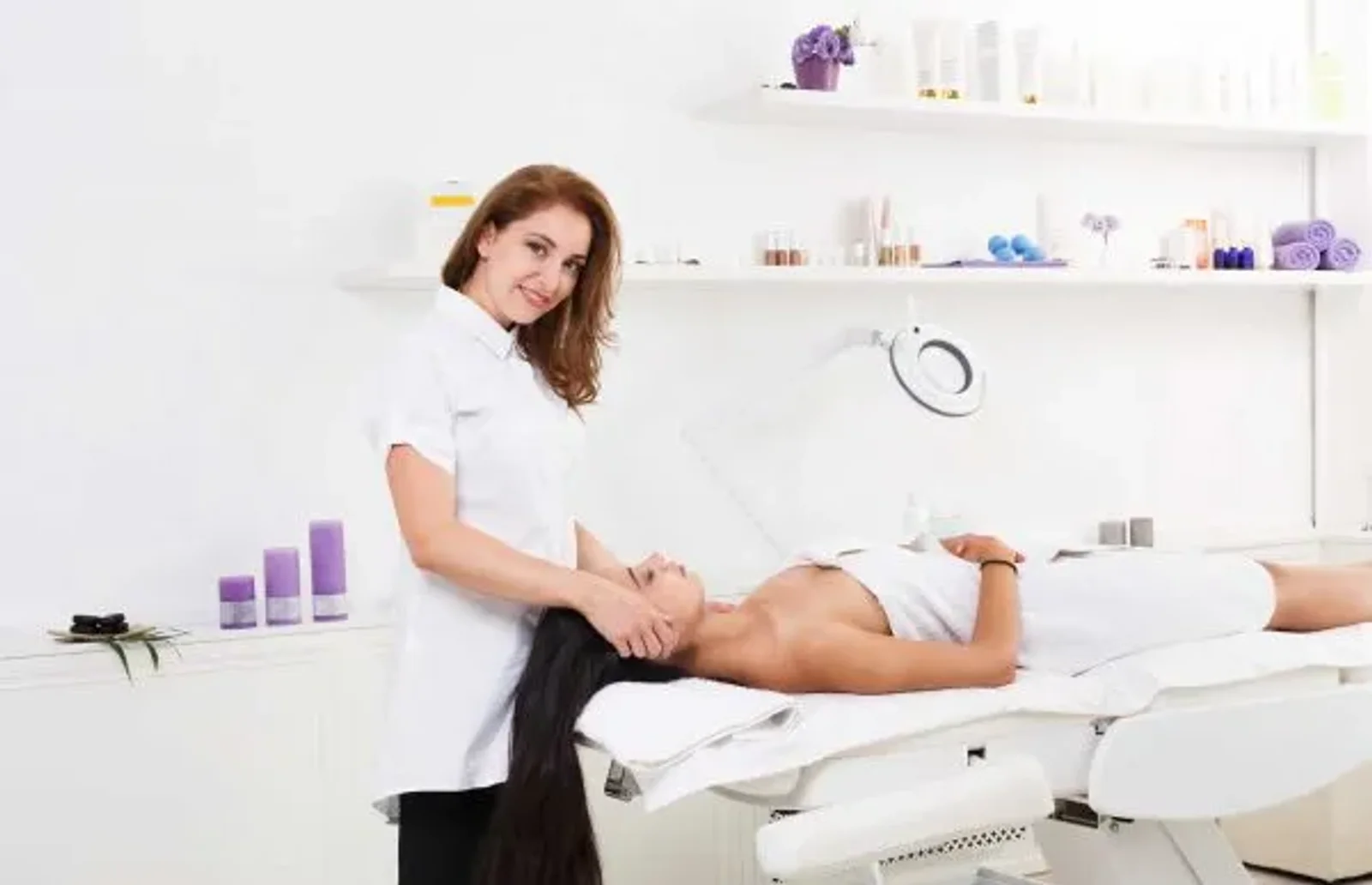
Your joy, and your responsibility, as a medical esthetician is to ensure your clients feel honoured, safe, informed, and celebrated every step of the way during an esthetics treatment and care. The most powerful way to do this is by knowing how to prepare yourself and your clients for an experience they will rave about, and you’ll be proud of.
If you are considering beauty college, attending a beauty institute, or taking medical aesthetic training courses to gain your medical aesthetics certificate, these basics should be in your wheelhouse.
From greeting a client and gaining insights about their habits, concerns and goals, to how you approach communications and connection with them will set the tone for your treatment appointments. Your role as a medical esthetician can alleviate those client worries and challenges and empower them to heal and glow.
5 Questions for Clients to Set the Tone for Treatment Success!
1. What are your skin goals?
You want to set the tone in the introductory meeting for possibility and progress moving forward. Although you can often assume they want brighter, more youthful, vibrant-looking skin, understanding what the priorities are for your client will allow you to communicate more effectively. You want to know what they expect so you can present realistic expectations. As a medical esthetician you can help improve the look of their skin, but results take time. We want to recognize what the client wants so we can present a plan and treatment and product recommendations that meet their short and long-term goals. It all begins here.
2. What is your current lifestyle?
You want to know if they’re drinking enough water, fueling their body with sugar or healthy greens. You want to understand if they’re committed to whole wellness, including exercise, diet, and a good sleep. While your job is to treat the skin, beauty begins from within and how we fuel our bodies needs to be included in the discussion. If your client takes medication or vitamin supplements, this too can affect their skin. And you want to be informed every step of the way, so you can offer the best care and support possible.
3. What is your skin care regimen?
You need to know as a medical esthetician if you’re dealing with someone who has done their research, uses a current routine and understands what you may present. Or you’re dealing with someone who is new to recognizing the importance of skin care. You will communicate with and educate these two extremes very differently as challenges your client is experiencing may be linked to the products they are using. Knowing whether they cleanse and moisturize regularly, use sunscreen, serums or eye creams- this information will help you recognize the starting point for their treatment.
4. Do you have any skin issues and/or allergies?
Having a clear understanding of the specifics of the concerns they have, will give you insight into which goals to tackle first. Knowing whether they experience redness, blotches, dry spots, burning or itching, and knowing whether they have seasonal, or product allergies or sensitivities will guide care and treatment. Their skin concerns can be minor or major, but you want a deeper, closer look. This is where the skin analysis happens and why it is the most important step of a service. From skin type to, problem areas to concerns needing improvement a skin analysis allows you to get the big picture. It’s so essential, we dedicated a whole blog to understanding it. You can find the details here … A Medical Esthetician’s Guide to Skin Analysis & Client Care.
5. Do you have any questions for me?
It is essential that you open the floor and dialogue to include what the client wants from you as the medical esthetician. Perhaps they have heard of certain treatments; if they mention them, you can clarify and discuss whether or not those treatment are aligned with their goals. This open dialogue honours the knowledge that many clients will have when it comes to their own skin care. And if they have few questions, you can probe further to initiate a dialogue about the options available to them. This is also a terrific way to learn about their expectations, to identify timelines, budget, and can flow directly into a discussion around the amazing plan and adventure in health and vibrant, glowing skin they are about to embark upon with you.
_____________________________________________________________________________
If you’re already making a difference in the world of esthetics, we hope these questions can take your client connections to new heights. If you’re new to esthetics, with a passion for gorgeous skin and helping clients feel more beautiful, you’re poised to enrol in a medical esthetician course (or medical esthetics course) and embrace your next incredible career.
Looking for a career fit, aligning your passion and interests with purpose, take the “Anderson College Medical Professional Career Quiz”. Or if you’re ready to explore your Medical Esthetician career, book a virtual appointment with us today and let’s get you started!
Quick Links to Fuel Your Success!
We want to make sure you have what you need to succeed! Check out these reference links:
- Medical Esthetician – Medical Esthetician Course & Program at Anderson College
- A Medical Esthetician’s Guide to Skin Analysis & Client Care (andersoncollege.com)
Frequently Asked Questions (FAQs)
Q1: What should a medical esthetician ask a client during a skincare consultation?
A medical esthetician should ask about the client’s skin goals, daily skincare routine, lifestyle habits, allergies, medications, and any past reactions to treatments. These questions help tailor a safe, effective facial treatment plan.
Q2: What should a client avoid before a facial treatment?
Clients should avoid exfoliating, using retinol or acids, intense workouts, tanning, waxing, and alcohol for at least 24–48 hours before a facial. These steps prevent irritation and ensure optimal treatment results.
Q3: Why is it important to review a client’s current skincare routine?
Reviewing a client’s routine helps identify ingredients causing sensitivity, dryness, or breakouts. It also allows the esthetician to recommend more effective products and ensure the treatment complements not conflicts with the client’s regimen.
Q4: What lifestyle factors affect the outcome of esthetic treatments?
Hydration, sleep, nutrition, stress, and medication use significantly influence skin health. Understanding these habits helps the esthetician set realistic expectations and create a holistic treatment plan.
Q5: How does a skin analysis help determine the right esthetics treatment?
A skin analysis reveals the client’s skin type, conditions, sensitivity levels, and areas needing improvement. This information ensures the esthetician selects appropriate products, techniques, and technologies for safe, personalized care.
Q6: What should clients communicate before starting any esthetic treatment?
Clients should share any allergies, discomfort, health conditions, recent cosmetic procedures, or concerns about pain or sensitivity. This transparency ensures both safety and optimal treatment results.
Q7: How can clients get the most benefit from their first facial?
Clients can maximize results by following pre-treatment instructions, avoiding harsh skincare products beforehand, staying hydrated, and being open about their goals and concerns during the consultation.
Found this useful? Share it with a friend who's exploring their next career step.
Frequently asked questions
Quick answers about applying, funding, and life at Anderson College.
How long does it take to complete a program at Anderson College?
What financial aid options are available?
Are international students welcome?
How do I apply?
Does Anderson College offer job placement support?
Still have a question? Speak with an Admissions Advisor →
More from the blog
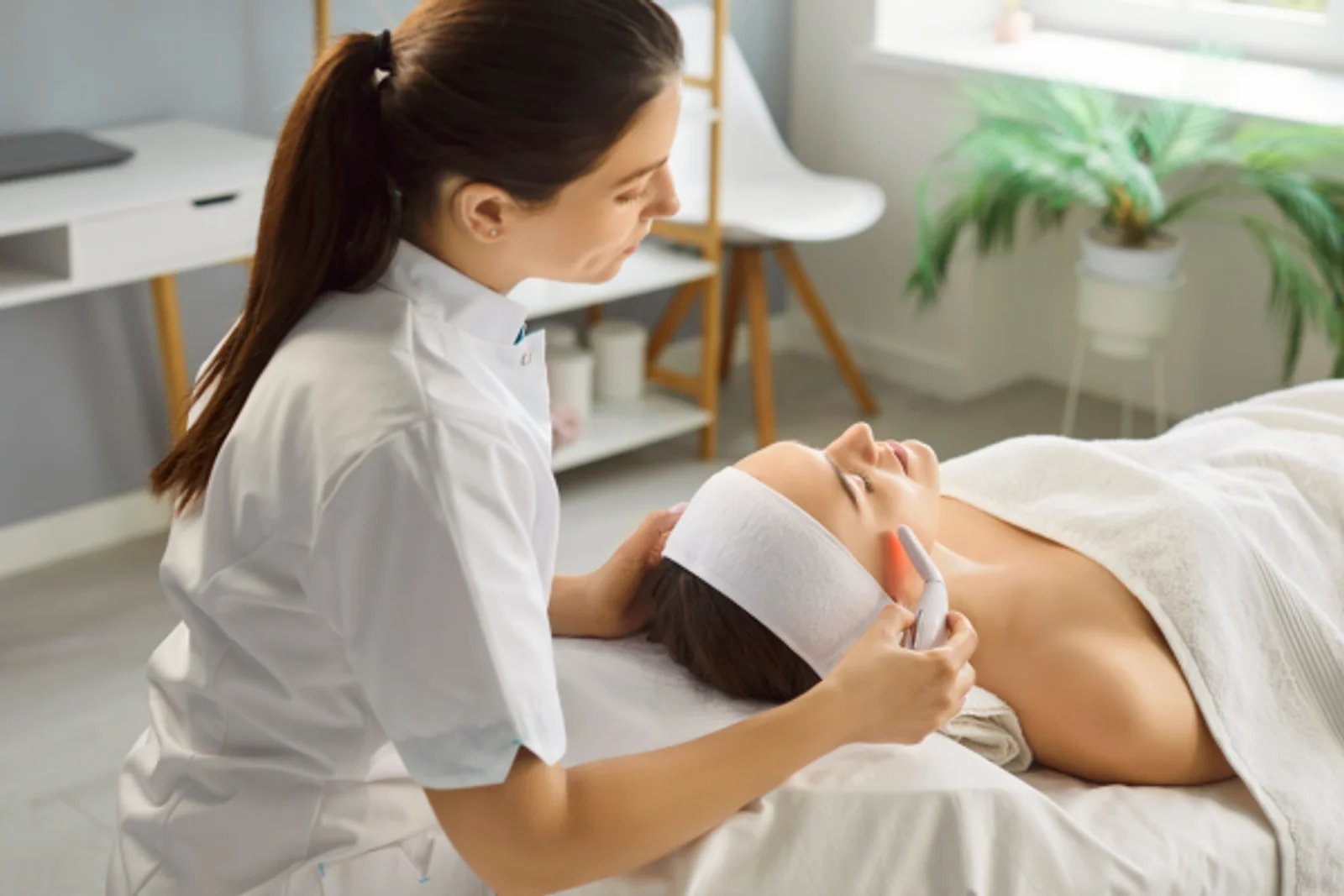
Top Medical Esthetician Skills to Excel in the Industry
The medical esthetics industry continues to grow as more people seek non-invasive treatments that support […] …
Read article
5 Things to Consider Before Enrolling in an Early Childcare Assistant Program
Choosing a career in early learning and childcare means stepping into a role that supports […] …
Read article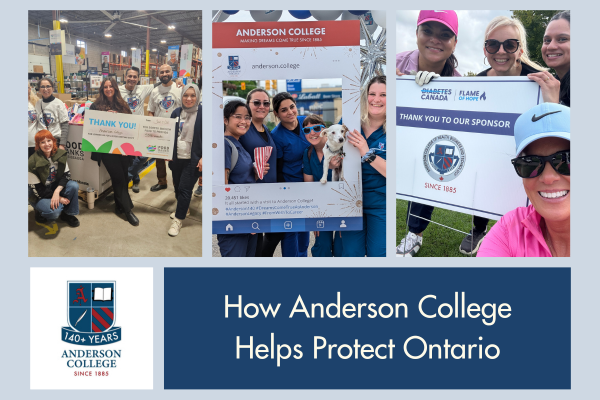
Stronger Communities, Brighter Futures: How Anderson College Helps Protect Ontario
Supporting communities is at the heart of Anderson College’s mission, and it has been for […] …
Read article