
A Medical Esthetician’s Guide to Skin Analysis & Client Care
By Jennifer Maki · Communications Specialist
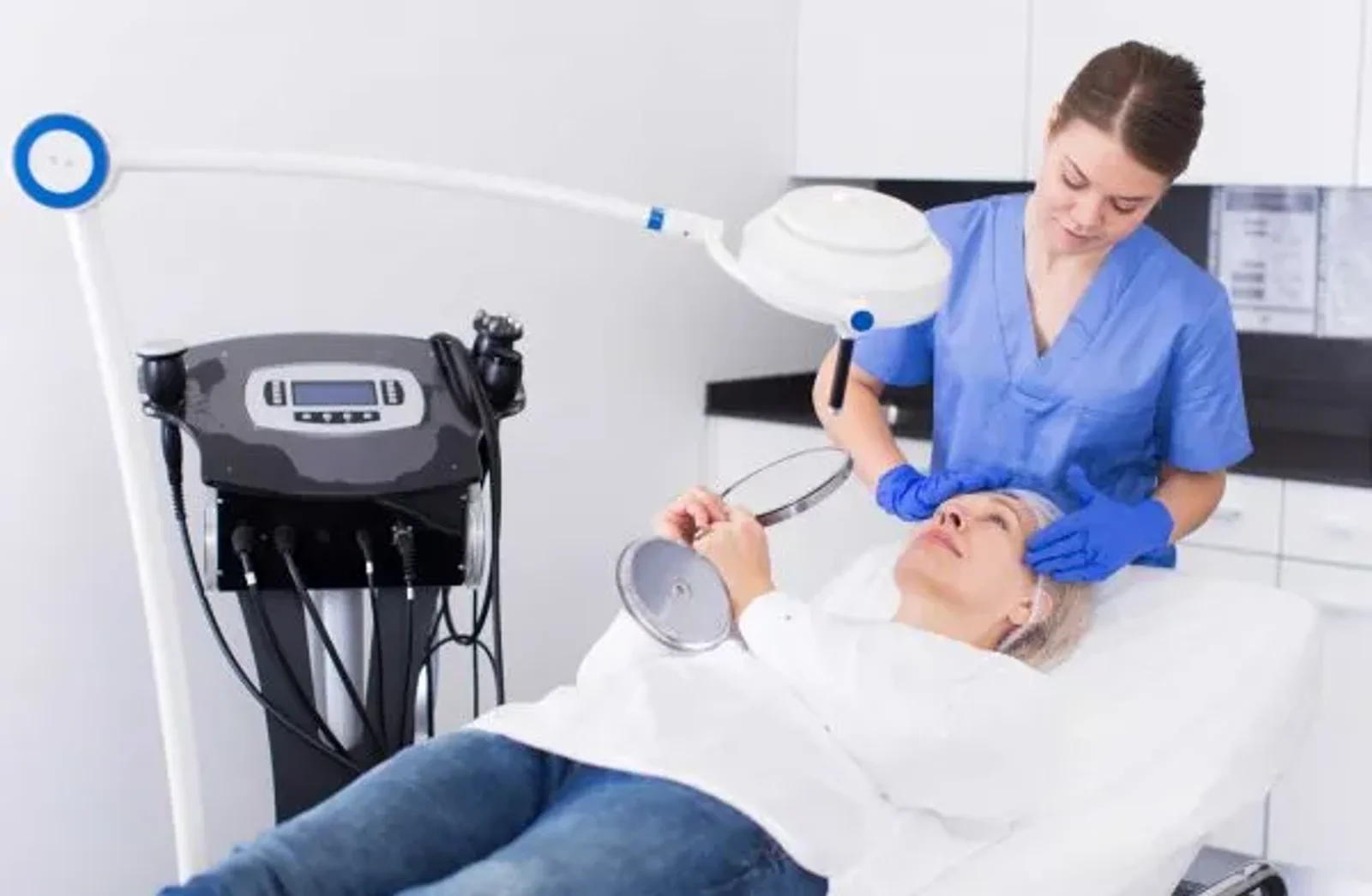
As a medical esthetician, you want your clients to glow … in complexion and in the reviews they offer about the services you provide. Whether you are considering attending a beauty college or beauty institute or are already enrolled in a medical esthetics course, recognizing and identifying conditions of the skin are the first steps in quality, professional client care. Gone are the days, or they should be, of eye-balling issues. Clients deserve and should demand, a skin care professional who is well trained, intimately understands skin and the benefits of proper analysis and proficiently uses technology and treatments to serve their clients.
Here is Your Topline Guide to Skin Analysis & Training You’ll Need to Shine
What Is Skin Analysis?
Skin analysis is the process of recognizing and identifying a client’s skin type, the areas of concern and for improvement, so that the best treatments can be recommended and performed. A conscientious professional will also take the time to understand a client’s medical history, habits (those to be maintained and those to be changed) and helps them identify goals for skin improvement.
Why Is Skin Analysis Important?
It is essential that you know about the canvas you are about to work with, and a comprehensive skin analysis allows the esthetics, or medical esthetics ‘artist’ to understand their client’s skin health, without their visiting the doctor. All that you will recommend, and the treatments you perform, will be driven from this initial assessment. The more questions that are asked, the better the communication, the more support your client will feel and the better you will be able to perform your services.
How Is Skin Analysis Performed?
Skin analysis begins the moment a client walks through the door. With proper skin analysis training and hands-on experience, you’ll learn to recognize skin concerns or habits immediately.
A typical process includes:
- Observation as the client arrives
- Consultation questions about family history, personal routines, general health, and goals
- Using a magnifying lamp, allowing you to examine pores, texture, and potential concerns
- Referrals, when needed, to a dermatologist for issues outside esthetic care
This step ensures accuracy and professional assessment before any treatment begins.
What Are You Looking for During Skin Analysis?
Clients have diverse skin needs. During analysis, you identify:
- Skin type: dry, oily, combination, or normal
- Characteristics: redness, texture, rashes, clogged pores
- Sensitivities or inflammation
- Product compatibility
- Treatment readiness
Once the analysis is complete, you’ll feel confident recommending the next steps to help clients achieve their skin care goals.
How Do You Become a Sought-After Medical Esthetician?
As with any profession, there are those who do the job and there are those who excel at the job, experience thriving careers, and are sought out by clients. That’s the kind of professional you want to aspire to be. That takes passion, and training with a leading-edge program that combines theory with practical application and is taught by leaders in the field. You want to have the opportunity to train with the best and test out your skills before your first day on the job, in a lab that simulates what it will be like to perform skin analysis, and the treatments that will come of that. You deserve this.
Setting your sights on obtaining your medical aesthetics diploma, choosing the right medical aesthetic training courses for you, is a must.
At Anderson College, our passion is our students and ensuring they are job-ready and in demand, upon graduation. Our industry-expert instructors and state-of-the-art labs is where it begins and our career services (for life), empower our students to take their careers and life to new levels.
Take the “Medical Professional Career Discovery Quiz”
We’d love to explore the possibilities with you in our Medical Esthetician program. Just imagine … in 66 weeks, after your program and four-week practicum, you could be welcoming your first client in for skin analysis – the start of your thriving career. The first step is booking a virtual appointment today. We’re here to help every step of the way.
Quick Links to Fuel Your Success!
We want to make sure you have what you need to succeed! Check out these reference links:
- Medical Esthetician – Medical Esthetician Course & Program at Anderson College
- Skin Deep; the Criticality of Skin Analysis – Spafinder
- Skin Analysis Methodology: Proper steps and equipment for dermal assessment in the clinical practice and spa (dermascope.com)
Frequently Asked Questions (FAQs)
Q1: What is skin analysis training?
Skin analysis training teaches students how to identify skin types, concerns, and conditions, and how to use professional tools to make safe treatment recommendations.
Q2: Do I need a medical esthetician course to perform skin analysis?
Yes. Proper training ensures accuracy, safety, and a deeper understanding of skin functions, contraindications, and technology-based assessments.
Q3: Can skin analysis help prevent treatment reactions?
Absolutely. A thorough analysis helps identify sensitivities or underlying concerns, reducing risks and ensuring clients receive appropriate treatments.
Q4: What tools are used in esthetician skin analysis?
Common tools include magnifying lamps, Wood’s lamps, moisture analyzers, digital imaging systems, and professional consultation forms.
Q5: How long does it take to become a medical esthetician?
At many colleges, including Anderson College, the program can be completed in about 66 weeks, including a practicum.
Found this useful? Share it with a friend who's exploring their next career step.
Frequently asked questions
Quick answers about applying, funding, and life at Anderson College.
How long does it take to complete a program at Anderson College?
What financial aid options are available?
Are international students welcome?
How do I apply?
Does Anderson College offer job placement support?
Still have a question? Speak with an Admissions Advisor →
More from the blog
Top Medical Esthetician Skills to Excel in the Industry
The medical esthetics industry continues to grow as more people seek non-invasive treatments that support […] …
Read article
5 Things to Consider Before Enrolling in an Early Childcare Assistant Program
Choosing a career in early learning and childcare means stepping into a role that supports […] …
Read article
Stronger Communities, Brighter Futures: How Anderson College Helps Protect Ontario
Supporting communities is at the heart of Anderson College’s mission, and it has been for […] …
Read article