
4 Must-Have Dental Assistant Qualities to Succeed
By Jennifer Maki · Communications Specialist

Being a successful dental assistant takes technical skills, organization, and great people skills. This blog covers the top four traits every dental assistant needs to thrive. A friendly attitude and adaptability are key to creating a positive dental care experience. Whether you’re starting out or looking to grow, these skills make a big difference.
Top Dental Assistant Qualities to Succeed
What separates a good dental assistant from a great one in a dental practice?
Technical skills are essential, but they’re not the only thing that matters in a dental office. Dentists and patients value dental assistants who combine practical skills with great personal qualities.
If you’re a student, a new hire, or exploring this career path, focusing on these four traits can help you stand out.
These qualities are universal, no matter where you work—from bustling clinics to specialized dental offices. Here’s what you need to know:
1. Attention to Detail Makes All the Difference
Mistakes in healthcare can have serious consequences, which is why dental assistants must perform their duties with great attention to detail. Identifying small issues early helps ensure patient safety and supports the dentist’s efficiency.
Why it matters:
- Ensures proper sterilization of instruments and equipment for every patient.
- Keeps patient records organized and accurate.
- Supports smooth procedures by having everything prepped to exact specifications.
Real-world example: Imagine noticing a patient looks unusually nervous before their procedure. Bringing this up to the dentist might prompt some extra reassurance, preventing a potential emergency.
To enhance your skills, explore our X-ray safety tips and discover how precision is key in imaging and diagnostics.
Pro tip: Double-check your setups before the dentist walks in. A bit of extra care can save valuable time.
2. Strong Communication Builds Trust
A dental assistant is often the bridge between dentists and patients. Being able to communicate clearly isn’t just helpful; it’s critical.
With patients:
Simplify complex dental terms, turning “caries” into “cavity” so patients don’t feel overwhelmed.
Offer calm explanations to reduce any anxiety the patient may feel.
With dentists:
Confirm treatment plans, such as, “Dr. Lee, we’re prepped for Composite #8, correct?”
Provide quick verbal updates when necessary, saving valuable seconds during procedures.
For more specific tips on handling anxious patients, take a look at our guide, How to Support Nervous Patients.
Pro tip: Remember to use open body language and tone. Even silent signals, like a smile, build trust with patients.
3. Adaptability for a Fast-Paced Workplace
No two days in a dental office are the same. Whether it’s broken equipment or last-minute schedule adjustments, being adaptable is a game-changer.
Why it matters:
Surprises happen—from patient cancellations to emergency situations. A flexible mindset keeps things running smoothly.
Adopting new technologies quickly, like digital scanners or AI-powered scheduling tools, keeps your practice efficient.
Want to see adaptability in action with cutting-edge tools? Check out Our Guide to Laser Dentistry to explore how technology is reshaping dental care.
Pro tip: Start every shift with a positive “roll-with-it” attitude. It sets the tone for handling unexpected situations gracefully.
4. Empathy Makes Patients Feel Comfortable
Dental visits can be intimidating for many people, especially children or patients with dental phobias. Empathy shows patients that they’re in safe hands, which can turn a stressful experience into a positive one.
How empathy helps:
A calm, reassuring approach can ease even the most nervous patients into relaxation.
Small gestures like offering a blanket, cracking a kind joke, or simply listening make patients feel valued.
Real-world example:
A young patient may walk in terrified of the dentist. A smile, a sticker after their visit, and a genuinely warm demeanor might turn their fear into excitement for their next appointment.
Empathy is especially crucial for treating pediatric patients. Learn more about creating a kid-friendly experience in Pediatric Dentistry Essentials.
Pro tip: Practice active listening. Sometimes, people just need to feel heard more than anything else.
How to Develop These Traits?
Think you don’t have all the dental assistant skills yet? Don’t worry! Many of these skills can be developed with practice, training, and observation.
For students:
Use role-playing exercises to practice scenarios like explaining complex terms or responding to patient needs.
For new hires:
Spend time shadowing experienced dental assistants to learn how they handle real-world situations.
Bonus tip: Join workshops or further training sessions to continuously hone both your technical and personal skills.
If you’re ready to take the next step, explore our Dental Assistant Program for hands-on training that builds these qualities and more.
FAQs
1: Can introverts succeed as dental assistants?
Absolutely! Quiet confidence paired with good listening skills makes many introverts natural communicators and empathetic caregivers.
2: Which quality do dentists value most?
While all four qualities matter, surveys suggest dentists prioritize clear communication and empathy highly in their assistants.
The Path to Becoming a Better Dental Assistant
Becoming a great dental assistant takes practice, but mastering key skills can elevate both patient care and your career. Start small—focus on one skill at a time to make a big impact. Ready to grow? Enroll in our Dental Assistant Program today!
Found this useful? Share it with a friend who's exploring their next career step.
Frequently asked questions
Quick answers about applying, funding, and life at Anderson College.
How long does it take to complete a program at Anderson College?
What financial aid options are available?
Are international students welcome?
How do I apply?
Does Anderson College offer job placement support?
Still have a question? Speak with an Admissions Advisor →
More from the blog

5 Things to Consider Before Enrolling in an Early Childcare Assistant Program
Choosing a career in early learning and childcare means stepping into a role that supports […] …
Read article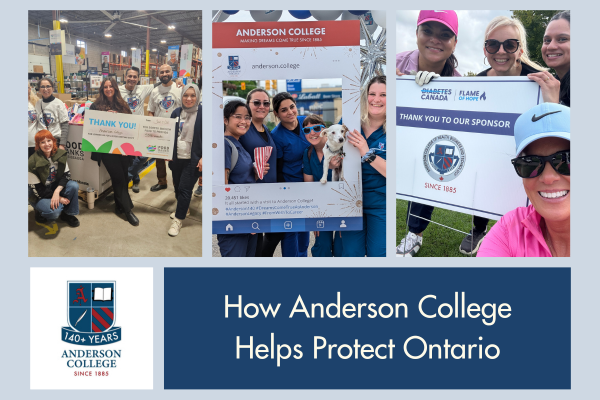
Stronger Communities, Brighter Futures: How Anderson College Helps Protect Ontario
Supporting communities is at the heart of Anderson College’s mission, and it has been for […] …
Read article
From Skills Gap to Certification Ready: Bruce’s Dental Assistant Program Journey
Bruce’s journey toward certification began with experience, clarity, and a deep understanding of what he […] …
Read article