
A Guide to Laser Dentistry For Dental Assistant Training
By Jennifer Maki · Communications Specialist
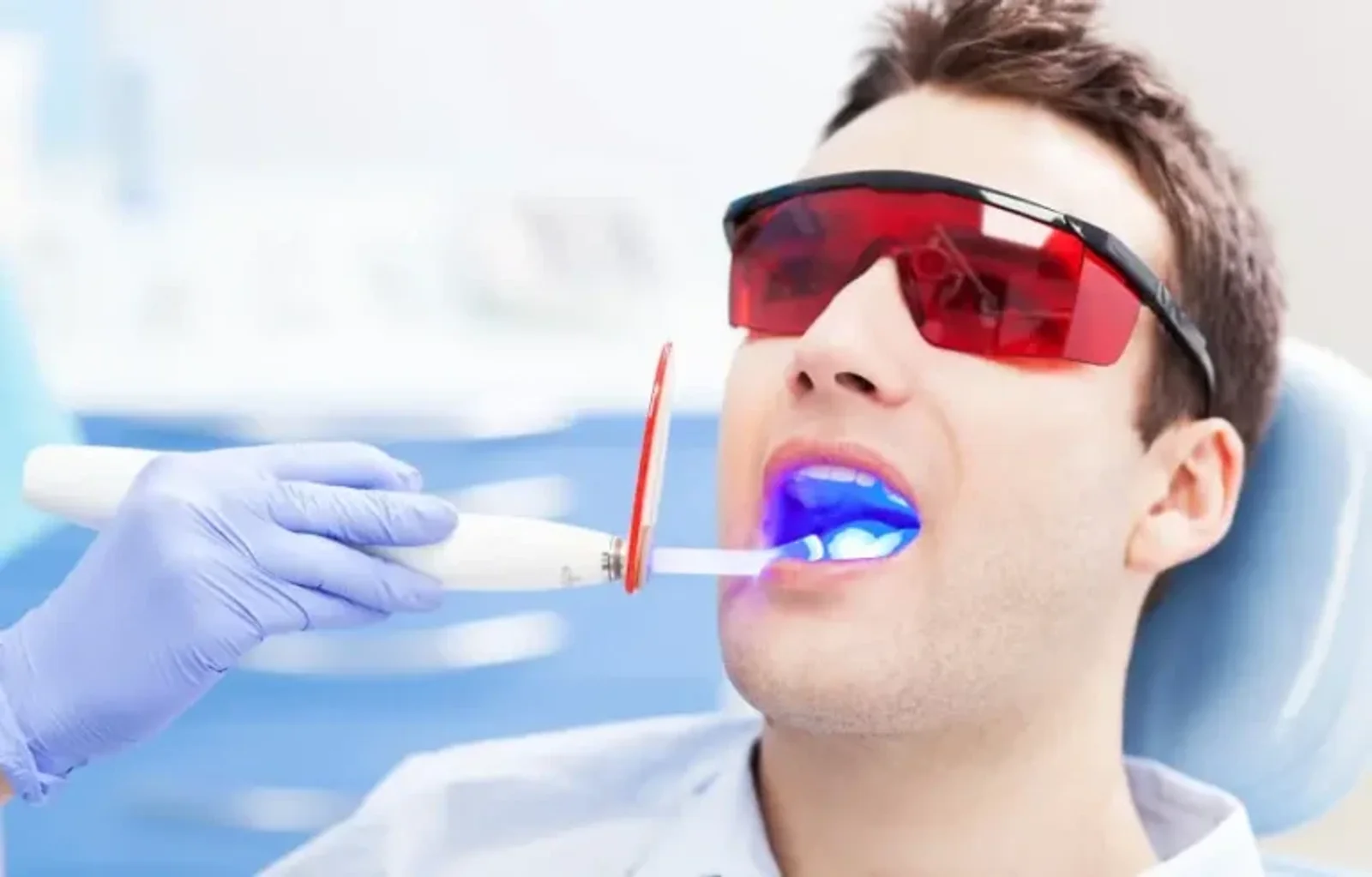
The word laser is an acronym, which stands for ‘Light Amplification by the Stimulated Emission of Radiation.’ Over the past few years, laser technology has found its way into dentistry. Lasers have proven to be a very safe and effective tool in treating a wide range of oral health issues. In fact, lasers are generally used in conjunction with a wide range of other dental instruments.
Many dental offices in Canada use laser technology to treat patients. If you’re interested in pursuing dental assistant training, you might find work in a dental office that uses laser technology. Read on to learn more about the history of laser dentistry, what it’s used for, and some of the benefits it provides to patients.
What Is the History of Laser Dentistry?
The first laser system used in dentistry was developed by a dentist named Dr. Terry Meyers and his brother William in the late 1980’s. Shortly after this development, the “dental laser revolution” began. After developing their product, the D-Lase 300, the Meyers brothers founded the American Dental Laser company. And, within a short period of time, several other dental laser associations were created, giving the dental industry a lot of exposure to laser technology.
In 1991, the Food and Drug Administration (FDA) granted American Dental Laser clearance that allowed the company to bring its product to the market for use on soft tissues. Professionals with dental assistant training know that today, dental laser technology has evolved, as it can also be used on hard surfaces like enamel and dentin.
What Procedures Use Laser Dentistry?
Lasers cannot be used for all types of dental procedures. However, after years of testing, dental experts have deemed lasers safe for some common practices. These include:
- Reducing the size, pain and discomfort of canker sores and cold sores
- Exposing wisdom teeth that have only partially poked through the gums
- Removing muscle attachments that limit proper jaw or tongue movement
- Performing biopsies
- Reshaping or removing gum and bone tissue for crown lengthening procedures
Although dental lasers aren’t capable of doing all the work for procedures like root canals, they can be very helpful in treating infections. Recent grads of dental assistant programs know that tooth whitening is among the most popular reasons dental lasers are used. Laser tooth whitening is so popular, in fact, that there are entire dental practices devoted only to performing that procedure.
What Are the Benefits of Laser Dentistry?
One of the major benefits of laser-assisted dentistry is that lasers can sometimes replace drills. For many patients, drills cause fear or discomfort lasers create a calmer, more positive dental experience.
Additional benefits include:
- Less need for anesthesia or stitches
- Reduced bacteria in gum tissue and cavities
- Shorter healing times
- Greater precision in treatments
Choose a dental assistant school that offers relevant training for today’s dental practices.
Visit Anderson College to learn more about our dental assistant program or to speak with an advisor.
Frequently Asked Questions (FAQs)
Q1: What is laser dentistry used for?
It’s used for gum reshaping, canker sore treatment, teeth whitening, biopsies, and exposing wisdom teeth.
Q2: Are dental lasers safe?
Yes. Dental lasers are FDA-approved and considered safe when used by trained professionals.
Q3: Do dental assistants work with lasers?
Yes. Many modern dental offices use lasers, and assistants help prepare equipment and support these treatments.
Q4: How does laser dentistry benefit patients?
Patients often experience less pain, faster healing, and reduced anxiety compared to traditional methods.
Q5: Why should dental assistants learn about laser dentistry?
Understanding lasers makes you more valuable to employers and better prepared for a career in advanced dental practices.
Found this useful? Share it with a friend who's exploring their next career step.
Frequently asked questions
Quick answers about applying, funding, and life at Anderson College.
How long does it take to complete a program at Anderson College?
What financial aid options are available?
Are international students welcome?
How do I apply?
Does Anderson College offer job placement support?
Still have a question? Speak with an Admissions Advisor →
More from the blog

5 Things to Consider Before Enrolling in an Early Childcare Assistant Program
Choosing a career in early learning and childcare means stepping into a role that supports […] …
Read article
Stronger Communities, Brighter Futures: How Anderson College Helps Protect Ontario
Supporting communities is at the heart of Anderson College’s mission, and it has been for […] …
Read article
From Skills Gap to Certification Ready: Bruce’s Dental Assistant Program Journey
Bruce’s journey toward certification began with experience, clarity, and a deep understanding of what he […] …
Read article