
Master Diagnostic Medical Sonography – Program Details to Know
By Jennifer Maki · Communications Specialist
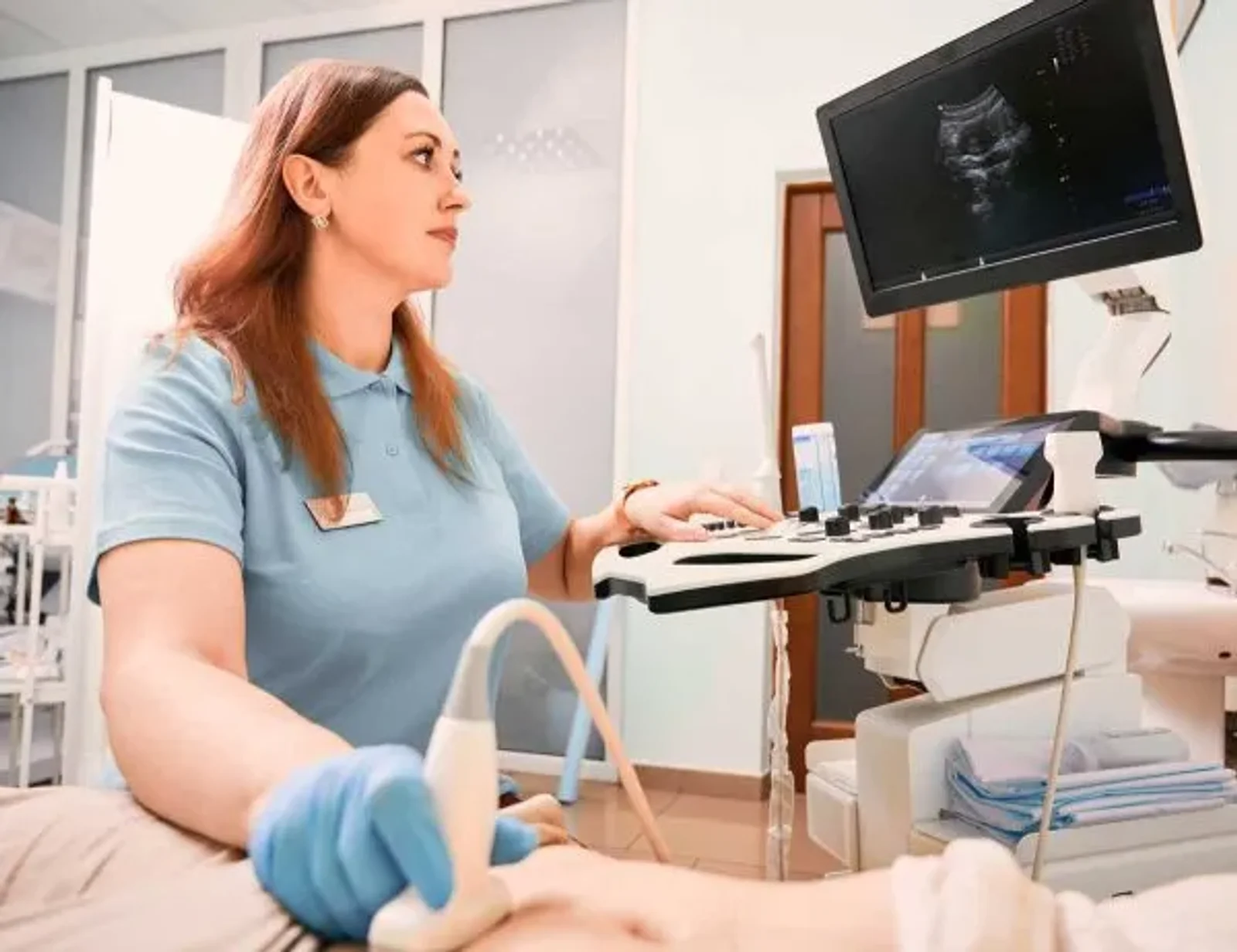
Diagnostic medical sonography (DMS) is a rapidly evolving and booming field, key to supporting healthcare teams as they diagnosis and treat patients.
Blending technology, science and medicine, sonographers, also referred to as a diagnostic medical sonographer or ultrasound technician, are at the forefront of life-saving care. Those seeking a rewarding career in a high-demand sector, will find diagnostic medical sonography programs intriguing and stimulating on myriad levels. From anatomy to advanced imaging techniques, a DMS program will provide you with the foundation to thrive in your position. Here’s an overview of what you’ll learn within Anderson College’s accredited DMS program; with this, you’ll know precisely if this is the career for you.
What You’ll Learn, and Master, in Anderson’s Diagnostic Medical Sonography Program
Our DMS program can be completed in 86 weeks (5 semesters) and includes 32 weeks (1200 hours) of practicum with on-the-job training, offsite with potential employers. It provides you with a foundation of skills and experience, with in-classroom learning with industry experts and in applying that knowledge to real-life activities.
And with accreditation status from Accreditation Canada’s EQual program, you can be assured that the program meets rigorous national standards, reflecting the quality of our program’s development, delivery and practical training.
Here’s an Overview of the Subject Areas and Skills You’ll Learn
Human Anatomy and Physiology
- The fundamentals of the human body and the relationship of organs to one another.
- Medical terminology.
- Body systems.
- Cross-sectional anatomy of the abdomen and pelvis.
Sonography
Intro to Understanding and in Relation to Various Areas of the Body
- The role and clinical functions of the sonographer.
- History of the profession.
- Principles of patient care.
- Lab orientation.
- Abdominal sonography.
- Superficial structures and vascular sonography – proper identification.
- Obstetric and gynecology sonography – applying tools for evaluating female reproductive system, stages of fetal development from conception to birth.
- Physics and instrumentation, covering ultrasound pulses, ultrasound interaction with matter, pulsed wave instruments, transducers, Doppler, artifacts, quality assurance and bioeffects.
Scan Labs
- Introduces you to ultrasound scanning techniques, scan protocols, in a simulated laboratory setting.
- Learn the application of ultrasound instrumentation, ergonomics and exam protocols for the abdomen, obstetric and gynecological sonography, in preparation for clinical site rotation.
- Learn to use an abdominal Doppler.
Clinical Preparation
- Designed to equip students with the knowledge they require to enter the clinical environment.
- Covering areas such as professionalism, communication, patient assessment, patient care, medical terminology, body mechanics, ergonomics, workplace health and safety, professional ethics and cultural competence. Students will apply theoretical concepts from this course in the lab setting and in other courses.
Mental Health Fundamentals
Intro to the nature, epidemiology, and treatment of mental health disorders. The students will explore common mental illnesses they are likely to encounter in the clinical environment.
- The myths and stigmas surrounding mental health.
- Topics will also include various stressors, occupational stress injuries, attributes, and benefits of good mental health.
Infection Prevention and Control
With an increase in the potential risk for ultrasound transmitted pathogens, you will learn best practices for infection prevention and control.
- Topics to include infection transmission, equipment hygiene, ultrasound related invasive infection and decontamination procedures.
Clinical Practicums
Two practicums will cover differing areas to expand the extent of practical experience.
- Practicum I – clinical rotation in abdominal, male pelvic, superficial structures and lower extremity venous Doppler ultrasounds.
- Practicum II – clinical rotation in obstetric and gynecologic ultrasounds.
- In both cases, under direct supervision of preceptors, students will perform, assist, and observe sonographic examinations.
- Clinical competency will be assessed and documented to record student achievement of sonographic clinical skills. Learners fulfill generalist requirements consistent with Sonography Canada Clinical Skills Assessment Manual (CCSA).
______________________________________
From technical skills to patient care, our DMS program prepares you to tackle the clinical and compassionate sides of healthcare and empowers you to master your role. Our primary goal is to ensure you are confident and in demand upon graduation as a trusted DMS professional; all you need to do is connect with us and we’ll help you navigate your way from program selection to graduation.
If you’re still considering if a medical sonographer career is for you, take the “Anderson College Medical Professional Career Training Readiness Quiz”. But when you’re ready to launch your Diagnostic Medical Sonographer career, our team is waiting to assist; book an express appointment with an Admissions Advisor today!
Quick Links to Fuel Your Success!
We want to make sure you have what you need to succeed! Check out these reference links:
Found this useful? Share it with a friend who's exploring their next career step.
Frequently asked questions
Quick answers about applying, funding, and life at Anderson College.
How long does it take to complete a program at Anderson College?
What financial aid options are available?
Are international students welcome?
How do I apply?
Does Anderson College offer job placement support?
Still have a question? Speak with an Admissions Advisor →
More from the blog

5 Things to Consider Before Enrolling in an Early Childcare Assistant Program
Choosing a career in early learning and childcare means stepping into a role that supports […] …
Read article
Stronger Communities, Brighter Futures: How Anderson College Helps Protect Ontario
Supporting communities is at the heart of Anderson College’s mission, and it has been for […] …
Read article
How Specialized Training Shaped Shahrzad’s Path as a Personal Support Worker
Each year, in the spirit of celebrating the diverse and powerful experiences of our students, […] …
Read article