
A Billion Dollar Industry Needs You – Explore Medical Esthetics Today
By Jennifer Maki · Communications Specialist
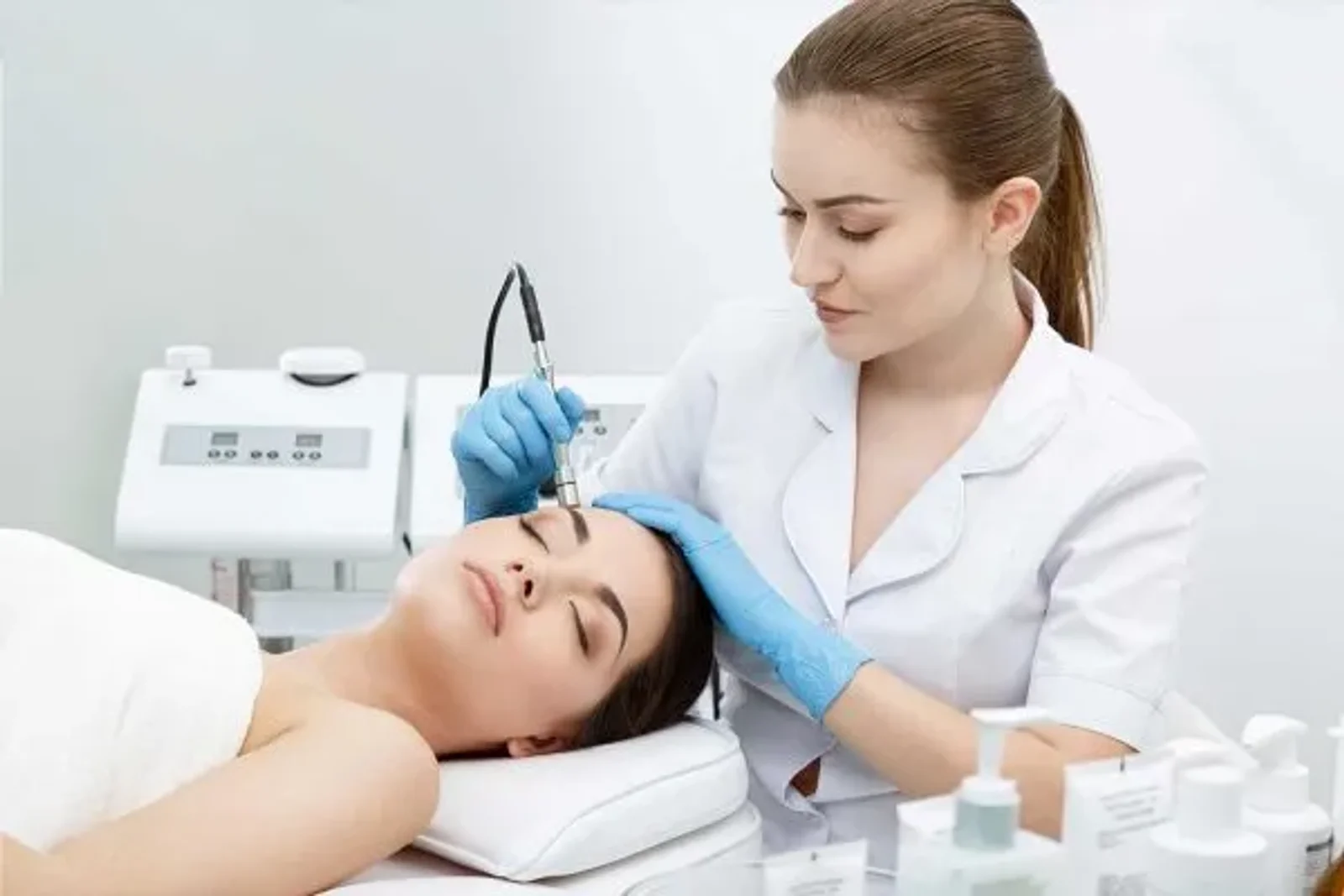
Why Is the Medical Esthetician Career Growing So Fast?
We may have experienced one of the toughest years we’ve known, but it’s also brought with it extraordinary opportunity. We are more aware of the essential nature of self-care; we may be in various stages of lockdown and restrictions, but we can still learn, grow, connect online, and keep ourselves healthy and looking and feeling our best – and help others do the same! This, combined with advancing technologies and non-invasive treatments for skin and body, as well as social media sharing and trends, has caused an explosion in the Medical Esthetics industry. At a time when science empowers us to live longer, it seems we all want to look and feel terrific while doing it! With leading-edge training, you can leverage this opportunity for your career and life success.
A multi-million-dollar industry, poised for billions in growth in the next 4 years, makes Medical Esthetics part of one of the fastest-growing industries in North America. Dermatologists, high-end wellness centres and spas have added medical esthetics to their practices and services, and as a result, Medical Estheticians are in greater demand than ever. Anderson College offers a comprehensive medical esthetics program, taught by industry experts, using state-of-the-art medical-grade equipment and includes a four-week practicum to apply your skills and training. As a team, we are dedicated to ensuring you have all you need to achieve your goal to become an integral part of this sky-rocketing industry.
Is Medical Esthetics the Right Career for You?
Before choosing a career path, it’s important to understand the difference between an esthetician and a medical esthetician.
- Estheticians typically work in salons or spas and perform basic services such as facials, waxing, and manicures.
- Medical estheticians are advanced skin-care specialists who assist dermatologists and medical professionals using clinical-grade equipment and technology.
As a medical esthetician, you blend technical expertise with artistry to help clients heal, rejuvenate, and feel confident. This role is ideal if you enjoy hands-on work, science-based treatments, and helping others improve their well-being. Learn more about our Medical Esthetician program here.
Take the “Medical Professional Career Discovery Quiz”
9 Techniques You Will Learn in our Medical Esthetics program
1. Microdermabrasion
Microdermabrasion is a procedure used to renew skin tone and texture, using a minimally abrasive treatment to gently remove the skin’s outer layer. This technique is less aggressive than dermabrasion. It exfoliates the skin and is used to treat light scarring, discoloration, sun damage, and stretch marks, and to reduce the appearance of wrinkles.

2. Chemical Exfoliation
Chemical Exfoliation, also known as a chemical peel, is used to improve and smooth skin texture. Chemical exfoliation uses three types of acids—Alpha Hydroxy Acids (AHAs), Beta Hydroxy Acids (BHAs) and Poly Hydroxy Acids (PHAs) to get rid of dead skin. Acids have anti-inflammatory and anti-bacterial properties and can reach deeper into the skin and pores. It’s a powerful benefit for treating acne-prone skin.

3. Laser Hair Removal
Laser Hair Removal uses a concentrated beam of light (laser) to get rid of unwanted hair on various areas of the body. The pulses of laser light will heat and destroy the hair follicles to prevent regrowth. This technique has been available since the mid-90s and is a trusted solution to get rid of hair permanently.
4. IPL (Intense Pulsed Light) Hair Removal
IPL (Intense Pulsed Light) Hair Removal is another hair removal technique. The key difference between laser and IPL is the type of light used. IPL is not a laser treatment and emits scattered wavelengths of light. The treatment for hair removal takes longer than laser but is much gentler and might be more appropriate depending on a person’s skin colour or hair colour or thickness.
5. Facial Rejuvenation Services
Facial Rejuvenation Services include various techniques and treatments that will help to restore facial features to a more youthful appearance. Facials using massage techniques or exfoliation can help reduce signs of ageing, while ultrasound and IPL treatments offer more visible results and target specific areas.
6. IPL Photo Rejuvenation
IPL Photo Rejuvenation is a technique used to improve the skin’s colour and texture. It can undo some of the visible damage caused by the sun on the face, hands, neck, and chest. It uses light energy to target a certain colour in the skin. It’s also effective to treat a variety of skin conditions.

7. Skin Tightening Procedures
Skin Tightening Procedures use targeted energy to heat deeper layers in the skin to stimulate collagen and elastin production to improve skin tone and texture. Ultrasound, radiofrequency or a combination of IPL and radiofrequency treatments are used to tighten moderately loose skin on the face, neck, and arms and achieve body contouring on the thighs or the abdomen without leaving scars.
8. Wrinkle and Scar Reduction
Wrinkle and Scar Reduction using laser, radio frequency, chemical peels, and dermabrasion skin resurfacing procedures.
9. Cellulite Treatments
Cellulite Treatments to smooth dimpled and irregular skin appearance, such as radiofrequency, ultrasound, mechanical cellulite reduction, massages, and topical creams.

Interested in joining one of Canada’s top medical esthetician schools? We’re here to help. Contact our Anderson College team today!
Why Choose Anderson College for Medical Esthetician Training?
- Industry-expert instructors with real clinical experience
- Training on modern, medical-grade equipment
- Four-week hands-on practicum
- Career-focused diploma designed for Canadian employers
Graduates are prepared to work in dermatology clinics, medical spas, cosmetic practices, and wellness centres across Canada.
Frequently Asked Questions (FAQ’s)
Q1. What is a medical esthetician?
A medical esthetician is a trained skin-care professional who performs advanced, non-invasive cosmetic treatments under medical supervision.
Q2. How long does it take to become a medical esthetician in Canada?
Most medical esthetician diploma programs can be completed in just over one year, including hands-on practicum experience.
Q3. Is medical esthetics a good career in Canada?
Yes. Medical esthetics is a fast-growing industry with strong demand in clinics, spas, and wellness centres nationwide.
Q4. What is the cost of a medical esthetician program?
Program costs vary by college. Anderson College offers admissions guidance and financial aid support for eligible students.
Q5. Where do medical estheticians work?
Graduates work in dermatology clinics, medical spas, cosmetic practices, wellness centres, and luxury spas.
Found this useful? Share it with a friend who's exploring their next career step.
Frequently asked questions
Quick answers about applying, funding, and life at Anderson College.
How long does it take to complete a program at Anderson College?
What financial aid options are available?
Are international students welcome?
How do I apply?
Does Anderson College offer job placement support?
Still have a question? Speak with an Admissions Advisor →
More from the blog
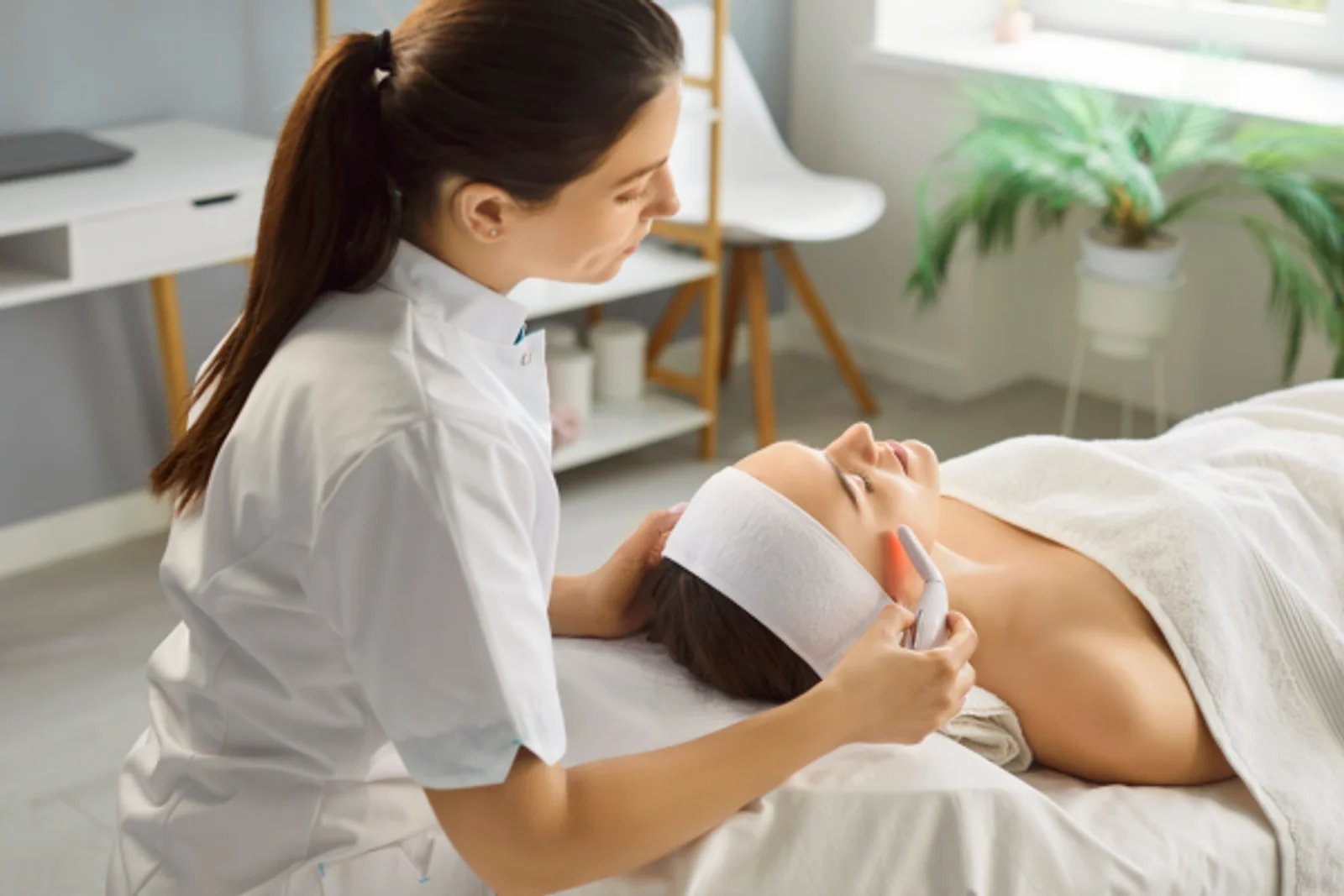
Top Medical Esthetician Skills to Excel in the Industry
The medical esthetics industry continues to grow as more people seek non-invasive treatments that support […] …
Read article
5 Things to Consider Before Enrolling in an Early Childcare Assistant Program
Choosing a career in early learning and childcare means stepping into a role that supports […] …
Read article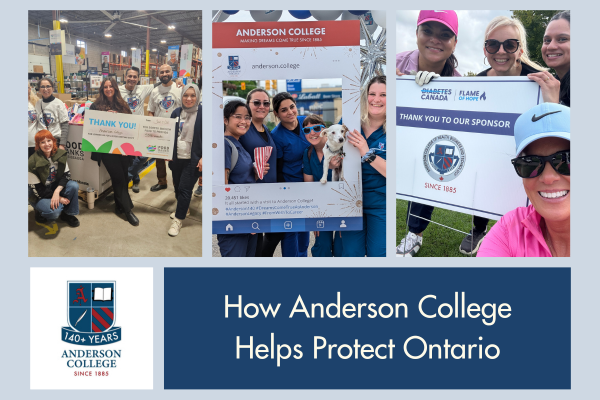
Stronger Communities, Brighter Futures: How Anderson College Helps Protect Ontario
Supporting communities is at the heart of Anderson College’s mission, and it has been for […] …
Read article