
A Quick Guide to Fluoride for Dental Assistants
By Jennifer Maki · Communications Specialist
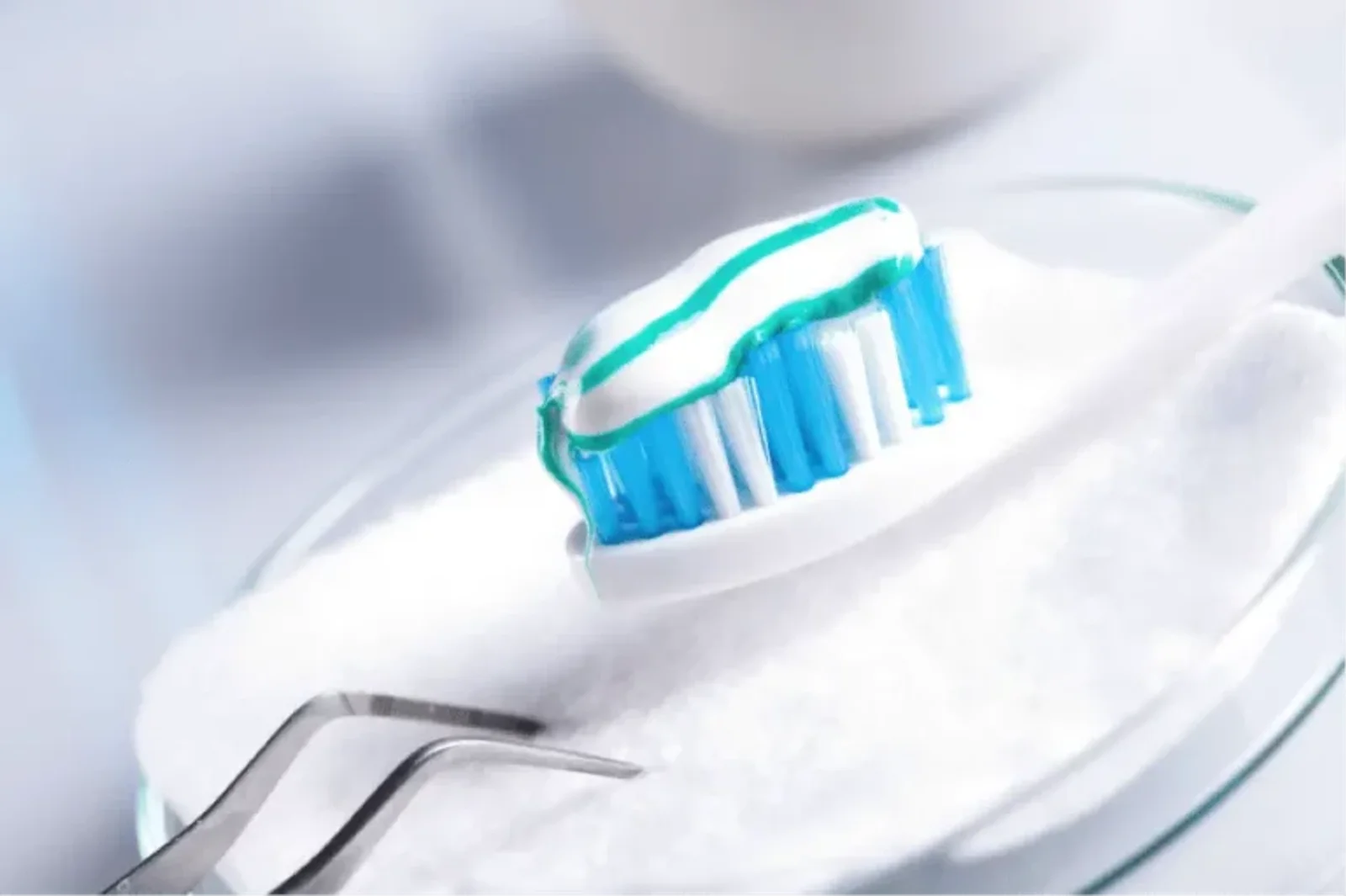
Fluoride is a naturally-occurring ion of the element fluorine and it can be found in food, water, and even soil. It is one of the most abundant elements on the planet’s crust, and, curiously, it has also become entangled in one of the most controversial public health debates in history.
If you are planning to enroll in dental assistant courses, read on to learn why fluoride has become the subject of intensive study, heated debate, and public education programs.
What Did Experts First Discover About Fluoride?
In the 1930s, researchers noticed that communities drinking naturally fluoridated water had up to two-thirds fewer cavities.
At that time, dental health issues were so severe that tooth loss often disqualified people from military service. Fluoride became a breakthrough discovery, leading experts to study safe dosages and expand access.
Student takeaway: This history shows how research can transform public health and why dental assistants must understand fluoride’s role in oral care.
How Does Fluoride Protect Teeth?
Dental assistants often apply fluoride varnishes, gels, or foams during treatment. Here’s how fluoride supports oral health:
- Remineralization: Strengthens tooth enamel and can partially repair early damage.
- Prevents Demineralization: Protects teeth from acids caused by bacteria and sugar.This dual action makes fluoride one of the most effective tools for reducing cavities and protecting smiles.
Can Dental Assistants Apply Fluoride?
Because of the benefits of fluoride and the great public need for better oral health, many leading organizations in Canada and around the world recommend adding it to public drinking water. The Centers for Disease Control and Prevention (CDC), Canadian Dental Association (CDA), World Health Organization (WHO) as well as many others recommend fluoride as an effective preventative public health initiative.
As a result, many communities in Canada, and the rest of the world add fluoride to public drinking water.
However, some critics have pointed out that adding fluoride to water takes away a citizen’s right to choose whether they receive the treatment or not. They state that while they might opt for the professional application of fluoride from a dental school graduate, the lack of choice that comes with a sweeping public policy feels like an infringement on their rights.
In response, professionals who have completed dental assistant programs state that adding fluoride to drinking water benefits those who may not be able to afford regular dental care. They also state that adding fluoride to water saves money for both governments and individuals who might otherwise have to pay for more expensive treatments later in life.
Do you think fluoride should be kept or removed from public drinking water?
Are you interested in becoming a dental assistant? Visit Anderson College to learn more about our 26-week diploma program, or to speak with an advisor.
FAQs About Fluoride for Dental Assistants
Q1: Can dental assistants apply fluoride varnish?
Yes. In many regions, dental assistants are trained to apply fluoride varnish, gels, or foams under a dentist’s supervision.
Q2: What are the main benefits of fluoride?
Fluoride strengthens enamel through remineralization and prevents demineralization, reducing cavities and protecting teeth.
Q3: Is fluoride in toothpaste effective?
Yes. Daily use of fluoride toothpaste provides a consistent way to strengthen enamel and prevent decay.
Q4: What is the fluoride vs. hydroxyapatite debate?
Some studies explore hydroxyapatite as an alternative, but fluoride remains the most widely proven and recommended by dental associations.
Q5: Why is fluoride in water controversial?
Critics argue it removes choice, while supporters highlight public health benefits and cost savings for underserved populations.
Found this useful? Share it with a friend who's exploring their next career step.
Frequently asked questions
Quick answers about applying, funding, and life at Anderson College.
How long does it take to complete a program at Anderson College?
What financial aid options are available?
Are international students welcome?
How do I apply?
Does Anderson College offer job placement support?
Still have a question? Speak with an Admissions Advisor →
More from the blog

5 Things to Consider Before Enrolling in an Early Childcare Assistant Program
Choosing a career in early learning and childcare means stepping into a role that supports […] …
Read article
Stronger Communities, Brighter Futures: How Anderson College Helps Protect Ontario
Supporting communities is at the heart of Anderson College’s mission, and it has been for […] …
Read article
From Skills Gap to Certification Ready: Bruce’s Dental Assistant Program Journey
Bruce’s journey toward certification began with experience, clarity, and a deep understanding of what he […] …
Read article