
What Is Preventive Dentistry and Why Does It Matter?
By Jennifer Maki · Communications Specialist
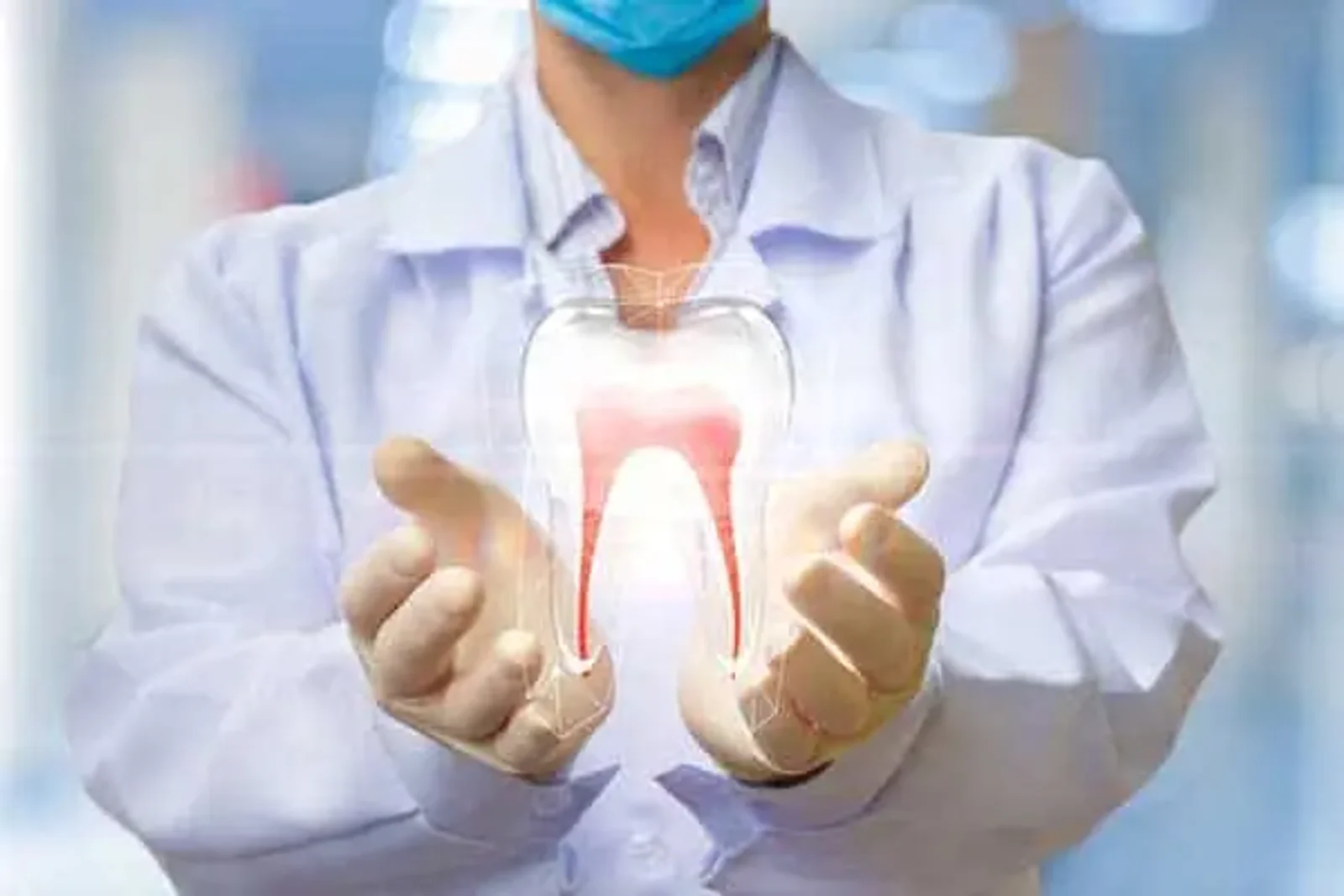
Preventive care means fewer painful procedures, lower costs, and healthier smiles for life. For dental assistants, understanding prevention is essential because it blends science, education, and patient support.
Key elements of preventive dentistry include:
- Daily oral hygiene (brushing, flossing, rinsing)
- Regular dental checkups and cleanings
- Patient education tailored to each stage of life
- Infection control in the dental clinic to ensure safe care
What Are the First Steps in Preventive Dentistry?
Graduates of dental assistant programs know that at-home care forms the foundation of oral health. Every day, plaque builds on teeth. If left untreated, it hardens into tartar a problem that only a dentist can remove.
To support patients in their journey, dental assistants should emphasize:
- Brushing: Twice a day, using the proper technique
- Flossing: To remove food particles between teeth
- Mouthwash: To reduce bacteria and freshen breath
This is what we call primary prevention in dentistry stopping problems before they start.
Why Are Dental Checkups So Important?
Even with good habits, patients may slip up. That’s where checkups come in. Students with preventive dentistry education learn that regular visits ideally every six months help dentists and assistants:
- Detect cavities, gum disease, or other issues early (secondary prevention)
- Remove tartar and surface stains
- Guide patients toward better techniques
For higher-risk patients (such as those with braces or chronic conditions), more frequent visits may be necessary. This is where dental assistants play a vital role in oral preventive support.
How Do Dental Assistants Help With Patient Education?
Beyond cleanings and checkups, patient education is a cornerstone of preventive dentistry. Dental assistants teach patients how to adapt oral care routines during life changes like getting braces, dentures, or dealing with age-related concerns.
This is considered tertiary prevention in dentistry helping patients manage existing conditions to avoid complications.
Whether it’s demonstrating proper flossing technique or explaining how diet affects oral health, oral preventive assistants are key to building lifelong dental wellness.
Why Is Preventive Dentistry Essential for Your Career?
For aspiring dental assistants, mastering preventive care means you’ll:
- Support patient comfort and confidence
- Reduce long-term treatment costs for patients
- Promote infection control in the dental clinic
- Build trust with patients through education and guidance
Ultimately, prevention saves time, money, and smiles making it one of the most rewarding aspects of a dental assistant’s role.
Are you interested in attending dental assistant school?
Contact Anderson College to learn about our programs!
Frequently Asked Questions (FAQs)
Q1. What is preventive dentistry in simple terms?
Preventive dentistry refers to daily habits, regular checkups, and professional care that stop dental problems before they become serious.
Q2. What are examples of primary, secondary, and tertiary prevention in dentistry?
- Primary: Brushing, flossing, healthy diet
- Secondary: Checkups, cleanings, early cavity detection
- Tertiary: Managing dentures, treating gum disease, preventing complications
Q3. How does a dental assistant contribute to preventive care?
Dental assistants educate patients, ensure infection control, assist with exams, and demonstrate proper hygiene techniques.
Q4. How often should patients visit the dentist for preventive care?
Most patients should visit every six months. Those with higher risks (braces, gum disease, chronic illness) may need more frequent visits.
Q5. Why is preventive dentistry important for dental assistant students?
It helps them build strong patient relationships, support healthier communities, and prepare for a rewarding career in oral healthcare.
Found this useful? Share it with a friend who's exploring their next career step.
Frequently asked questions
Quick answers about applying, funding, and life at Anderson College.
How long does it take to complete a program at Anderson College?
What financial aid options are available?
Are international students welcome?
How do I apply?
Does Anderson College offer job placement support?
Still have a question? Speak with an Admissions Advisor →
More from the blog

5 Things to Consider Before Enrolling in an Early Childcare Assistant Program
Choosing a career in early learning and childcare means stepping into a role that supports […] …
Read article
Stronger Communities, Brighter Futures: How Anderson College Helps Protect Ontario
Supporting communities is at the heart of Anderson College’s mission, and it has been for […] …
Read article
From Skills Gap to Certification Ready: Bruce’s Dental Assistant Program Journey
Bruce’s journey toward certification began with experience, clarity, and a deep understanding of what he […] …
Read article