
Integrating Technology in Early Childhood Education
By Jennifer Maki · Communications Specialist
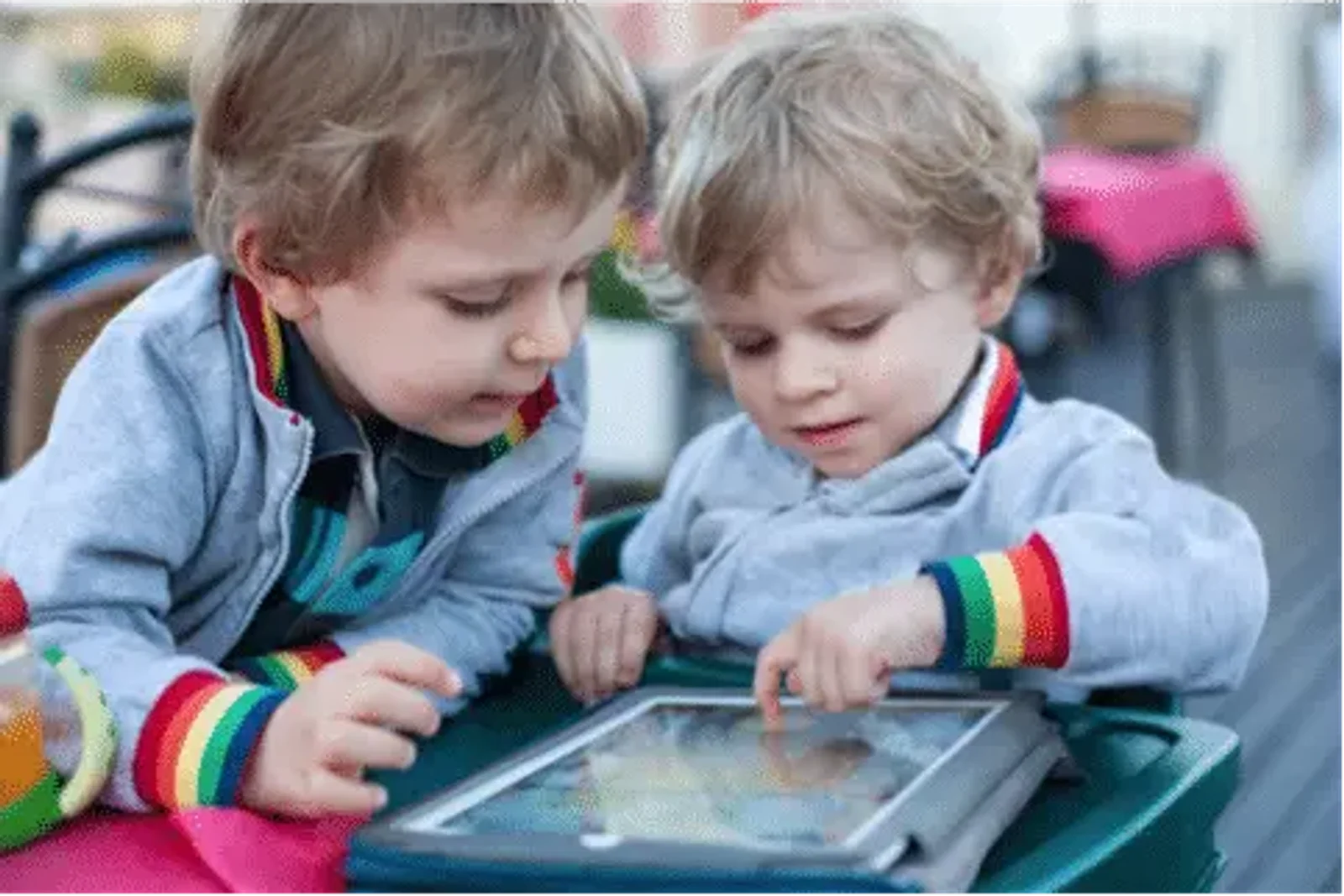
Over the past several years, there has been a growing focus on integrating technology into classroom teaching. Curricula are designed around digital trends, and teachers are trained to be comfortable with a range of tools, and keep up with emerging techniques. A big part of the reason behind this push for technology is its prominent place in students’ lives. Educators understand that to teach effectively, they must connect strategically with kids – using some of their interests as the basis for lesson plans and teaching techniques.
Now we see educators using technology-based teaching in kindergartens, pre-schools, and daycares. It’s an essential part of teaching and learning – but how should the early childhood assistant integrate technology into classes full of our youngest students?
Here are a few guiding principles and practical examples to get started with:
Technology Doesn’t Replace Good Teaching
It would be misguided to abandon the time-honoured principles of early childhood development – like building social skills through simple play – in favour of having children sit passively in front of screens, or engage solely with digital devices, rather than each other.
Educators should strive to integrate technological tools where they complement and enhance an existing, carefully conceived lesson plan. These tools aren’t a substitute for thinking through learning goals and making sure students understand key concepts. Nor does randomly adding a digital device to your classroom add up to effective technological integration – the tool must be built into your plan, have a clear purpose, and be accessible to all students.
Start Small
One teacher decided to use technology to build on a lesson plan where toddlers construct a copy of their own house using play blocks of different shapes. To enhance the lesson, the educator used Google Earth to bring up images of her students’ houses as references for their models. Students had fun manipulating the tool, and it helped them complete the task more effectively. A good early childhood college will ask teachers to reflect on how their tool of choice helps students learn better, and suggest small ways of adding technology to existing approaches.
Encourage Collaboration
Some of our most impressive tech tools are those that facilitate collaboration and sharing. Rather than engaging one-on-one with a device or program, whole classrooms can create projects online using a range of software. One teacher uses computers to create digital stories with his students. Each child contributes ideas and adds images to the text, or takes turns attaching audio files as narrators. The final product belongs to everyone – and can be shared online with parents and administrators. This approach takes the early childhood training principle of fair play and effective teamwork to the next level, demonstrating to toddlers that by collaborating well they can create something lasting and quite impressive!
What’s the best idea you’ve heard for integrating technology into the early childhood classroom?
Found this useful? Share it with a friend who's exploring their next career step.
Frequently asked questions
Quick answers about applying, funding, and life at Anderson College.
How long does it take to complete a program at Anderson College?
What financial aid options are available?
Are international students welcome?
How do I apply?
Does Anderson College offer job placement support?
Still have a question? Speak with an Admissions Advisor →
More from the blog
5 Things to Consider Before Enrolling in an Early Childcare Assistant Program
Choosing a career in early learning and childcare means stepping into a role that supports […] …
Read article
Stronger Communities, Brighter Futures: How Anderson College Helps Protect Ontario
Supporting communities is at the heart of Anderson College’s mission, and it has been for […] …
Read article
How Specialized Training Shaped Shahrzad’s Path as a Personal Support Worker
Each year, in the spirit of celebrating the diverse and powerful experiences of our students, […] …
Read article