
Expert Insights on Becoming a Medical Laboratory Technician
By Jennifer Maki · Communications Specialist
Anderson College’s medical laboratory technician program, lab technician courses and phlebotomy training are designed to meet the extraordinary and ever-growing needs of the Canadian healthcare industry and patients.
The Medical Laboratory Professionals’ Association of Ontario (MLPAO) reported that, “70% of labs entered COVID-19 short-staffed”. These shortages cause delays in turnaround time, lengthened hospital stays, and can negatively impact patient health. While this situation is of great concern, it also provides an incredible opportunity for those looking for a career that is both meaningful and in high demand. And we want to connect you with what you need to know about the opportunity that exists for you.
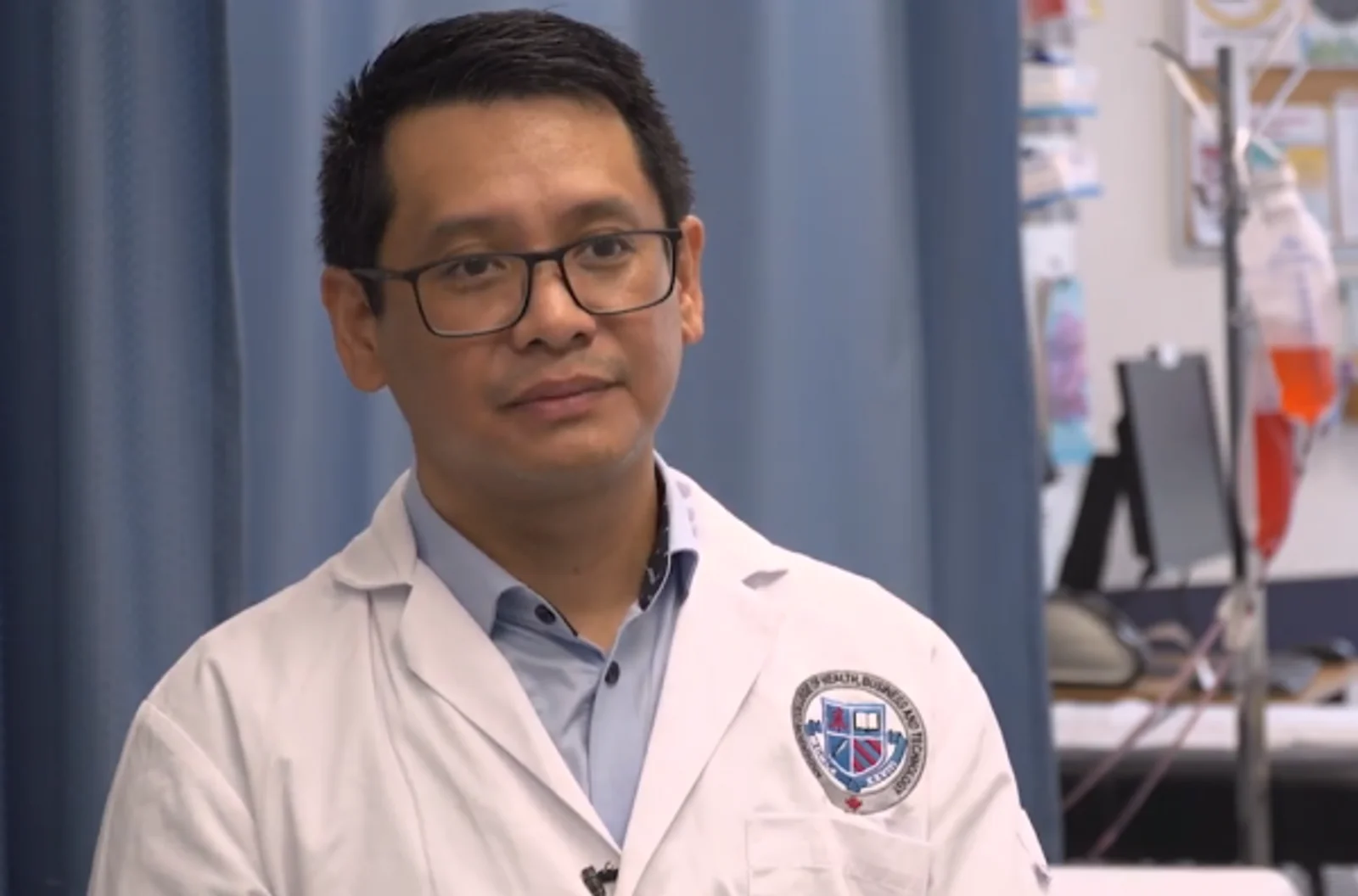
We had the chance to discuss Anderson College’s Medical Laboratory Technician program with one of our resident experts, Gilbert Rivera. In this interview Gilbert shares all you need to know about the opportunity, the program and how you can take the next steps in exploring the possibilities.
Watch Gilberts Rivera’s interview here:
The Introduction
I’m Gilbert Rivera. I’m one of the instructors in the Medical Laboratory Technician program at Anderson College. I’m also a graduate of this institution way back in 2017. After that, I challenged the exam, both the provincial and the federal exams given by the CSMLS and the MLPAO, and I passed both exams. After that, I applied for a job in one of the leading private labs here in Ontario. I was hired and then, I was also hired in a laboratory in a hospital here. So, this field has given me the chance to do a lot of things that I love, like interacting with people, and at the same time, doing jobs behind the scenes.
What is the Medical Laboratory Technician program about?
The Medical Lab Technician program is more about the pre-analytical phase of the laboratory. As you may know, when we process specimens, we have three phases: pre-analytical, analytical, and post-analytical. The pre-analytical phase focuses more on the procurement of blood, the collection of blood basically. Also processing specimens like urine, stool, and other specimens for microbiology. The job of a medical laboratory technician is to process all of these and then submit them for processing, which is analysis. We are the first line in this process, so we are the ones who receive the specimens and prepare them for processing.
Take the “Medical Professional Career Discovery Quiz”
What can students expect in the program?
Students in this program are expected to learn different competencies, which make up the framework or guidelines for us to teach the students here. Basically, these competencies cover things like proper blood collection, processing of urine, processing of stool specimens, and also performing ECGs. These are examples of the things that students do when they train here.
What are students most afraid of?
Most of the students are afraid of taking blood. It’s one of the things that they get anxious about, but in time with practice, students will get good at it and their anxiety lessens. I think that’s one of the most common fears we hear from students.
What part of the program do students enjoy most?
The part of the program that students enjoy most, usually, is the practical training in the lab, where they can get their hands-on experience. Also, they enjoy doing ECGs on their own, on their colleagues and classmates. And although they are a little bit anxious at first, they also enjoy blood collection.
Do you need any particular skills or past experience in healthcare to join the program?
Basically, there are no prerequisite requirements. If you have no prior experience in healthcare that’s fine, you can still go through the program. Of course, it would be helpful for you to have past experience working in the field, but there are a lot of students here who haven’t had any medical exposure before, who have excelled in the program. We train students here and once they’re out there in the field, they succeed.
Can you tell us more about the practicum?
Students have to complete a practicum, training in the field to get hands-on experience. The school has affiliations with different labs and clinics here in Ontario. We send students to these clinics and laboratories to do their practicum; the length depends on their program and the details of that practicum on a few different factors. One of the main benefits of a practicum is that their placements at clinical sites are done with prospective employers. So, they get to know their systems and the people, and this can lead to a recommendation for their continuing to work there after their practicum is completed. These are the advantages of having a clinical placement at these sites offered by prospective employers.
Can you tell us more about the CSMLS and MLPAO certifications and their benefits?
When the students start here, they are being prepared to take on CSMLS and MLPAO exam certifications. As you can imagine, it’s really important that they pass those exams. Some of the hospitals here, as well as the private labs, would prefer to have students pass both exams. So, Anderson, from day one, is preparing the students to achieve those goals. Students also gain hands-on experience in our state-of-the-art simulation labs. With this and the classroom instruction they receive, we prepare them for what they will face during the certification process.
What is your advice for future students?
My advice for future students is for them to take advantage of this incredible opportunity. This is an amazing field to be in. Job prospects right now are high. So, my advice for you is to explore the program here at Anderson. Study well, ask questions. It’s okay to make mistakes here at school. Once you’re out there, you’ll only have a limited number of mistakes you can make. So just study well, ask questions, and don’t be afraid to make mistakes. This is how you learn. And we’ll help you to reach your career goals, supporting you every step of the way.
For those looking for a thriving career, at a time when our communities, our patients and our healthcare teams need support more than ever, this is it.
To learn more about how you can start your medical laboratory technician career today click here or book a virtual appointment with our Admissions team.
Found this useful? Share it with a friend who's exploring their next career step.
Frequently asked questions
Quick answers about applying, funding, and life at Anderson College.
How long does it take to complete a program at Anderson College?
What financial aid options are available?
Are international students welcome?
How do I apply?
Does Anderson College offer job placement support?
Still have a question? Speak with an Admissions Advisor →
More from the blog

5 Things to Consider Before Enrolling in an Early Childcare Assistant Program
Choosing a career in early learning and childcare means stepping into a role that supports […] …
Read article
Beenash’s Journey to a Successful Medical Laboratory Assistant Career
Each year, in the spirit of celebrating the diverse and powerful experiences of our students, […] …
Read article
Stronger Communities, Brighter Futures: How Anderson College Helps Protect Ontario
Supporting communities is at the heart of Anderson College’s mission, and it has been for […] …
Read article