
Improving Patients’ Daily Lives as a Personal Support Worker
By Jennifer Maki · Communications Specialist
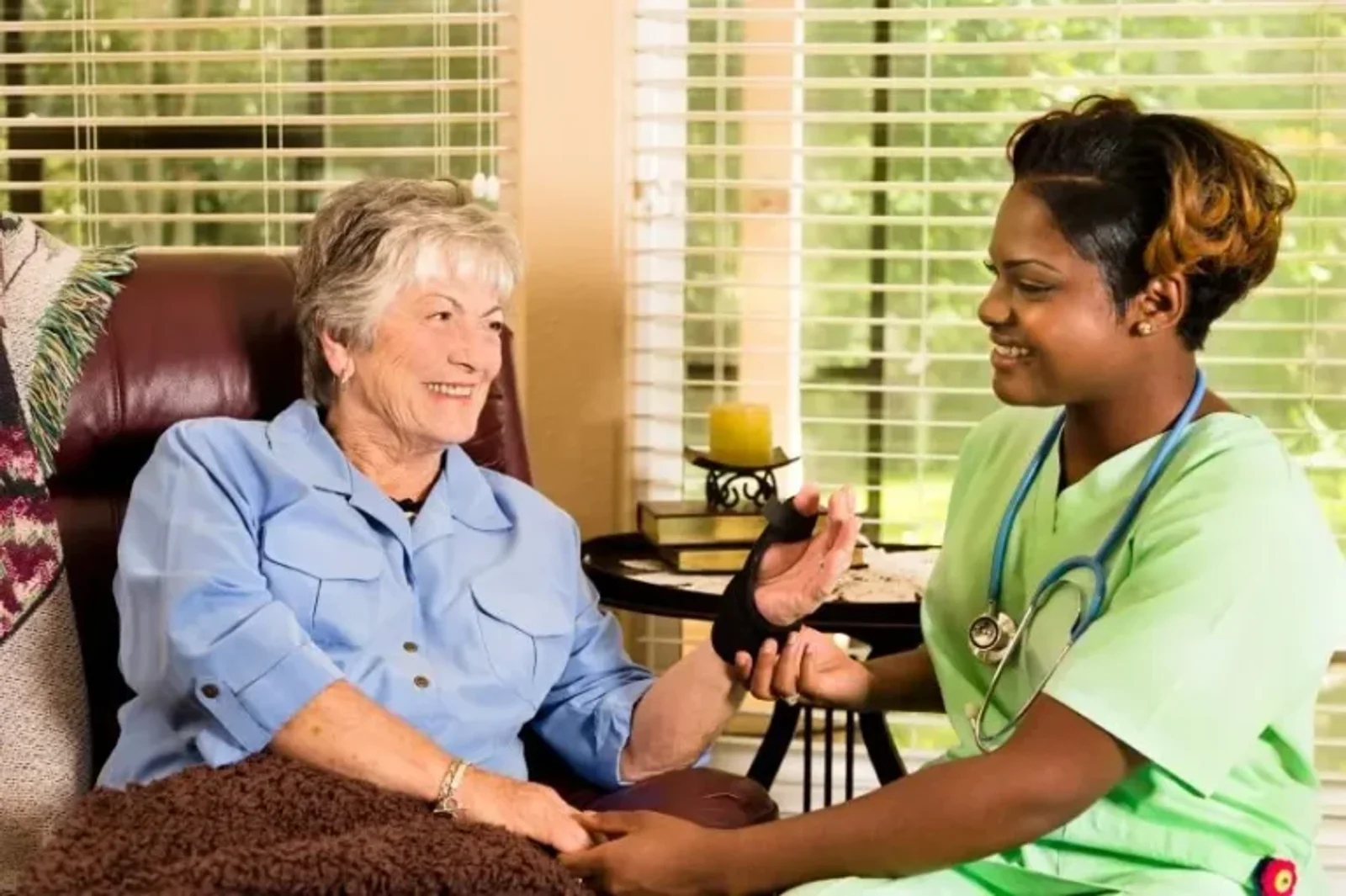
A combination of health care restructuring and an aging population makes Canada an ideal market for the personal support worker. More and more patients are recovering from injuries, chronic health conditions, and operations at home – and long term care facilities are expecting an influx of clients in the years to come.
Professionals holding a personal support worker diploma will find opportunities for employment in both the public and private sectors. Working with clients of all ages and diverse care requirements, they support the patient’s day-to-day wellness by performing a wide range of tasks.
Here are 3 invaluable ways the PSW improves patients’ lives:
Medical Support
Graduates of PSW courses are fully trained health care professionals. As part of a collaborative medical team, they routinely monitor and document each patient’s vital signs. Personal support workers take blood pressure, temperature and pulse, collect specimens as needed, and report their observations to doctors and nurses. The PSW also helps prepare patients for operations, ensures that medicines are taken as prescribed, and even assists in the cleaning and sterilization of equipment. Covering all the bases, personal support workers are there from start to finish, a continual point of contact for patients, their families, and other members of the medical health care team.
Emotional Support
Nurses are busy, doctors are often seen only briefly – but the PSW is always accessible and on hand for patients who need special care. And they do much more than looking after a client’s physical well being. The PSW is a particularly caring and empathetic professional who watches over the mental and emotional condition of each patient. If working in a home setting, they will ease the burden of daily chores, taking care of laundry, light housework, and even grocery shopping. Like a close friend, they establish a personal connection with patients – offering a relaxing massage or talking through concerns and fears. The PSW addresses the full needs of the patient, from the practical to the emotional.
Recreational Support
Professionals in the field and students currently enrolled in a personal support worker course understand that patient care extends beyond the home or health care facility. Not only does the PSW supervise doctor-approved exercise, but they will also often make arrangements for patients to get outdoors and participate in social events. After getting to know the interests of their patients and taking into account any special needs, personal support workers set up activities and social opportunities, accompanying clients to and from events. This aspect of support is crucial to the patient’s sense of community connection, which in turn helps facilitate emotional wellbeing and medical recovery.
Working hand in hand, these 3 crucial areas of support form the basis of the PSW’s job profile – and the foundation of empathetic, personalized health care in Canada.
What do you consider the most rewarding aspect of working as a PSW?
Found this useful? Share it with a friend who's exploring their next career step.
Frequently asked questions
Quick answers about applying, funding, and life at Anderson College.
How long does it take to complete a program at Anderson College?
What financial aid options are available?
Are international students welcome?
How do I apply?
Does Anderson College offer job placement support?
Still have a question? Speak with an Admissions Advisor →
More from the blog

5 Things to Consider Before Enrolling in an Early Childcare Assistant Program
Choosing a career in early learning and childcare means stepping into a role that supports […] …
Read article
From Nervous Beginnings to Success in a PSW Course: Christine’s Journey
Each year, in the spirit of celebrating the diverse and powerful experiences of our students, […] …
Read article
Protecting Ontario Healthcare: Anderson College Supports the Next Generation of PSWs
As Ontario invests billions to expand home care services and strengthen its healthcare system, one […] …
Read article