
How Supply Chains Keep the World Running
By Jennifer Maki · Communications Specialist
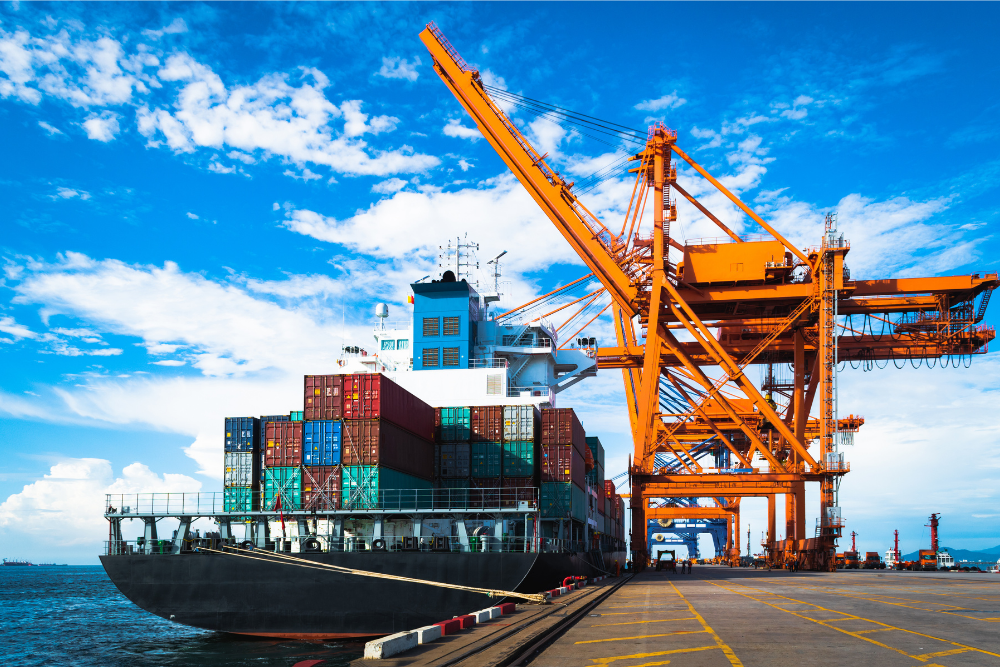
The products we rely on every day rarely arrive by chance. From groceries and medical supplies to electronics and household goods, nearly everything we use depends on a complex network of suppliers, manufacturers, transportation providers, warehouses, and retailers working together behind the scenes.
Supply chains are the systems that connect these activities, ensuring goods, services, and information move efficiently from origin to destination. Recent global disruptions have highlighted just how essential resilient supply chains are to economic stability, while advances in technology continue to transform how organizations plan, track, and manage operations. As a result, supply chain management has become one of today's most important and rapidly evolving business functions.
Modern economies depend on supply chains to connect production, distribution, and consumption. They help ensure businesses have the materials they need, products reach customers on time, and essential goods remain available when communities need them most.
Why Supply Chains Matter in A Global Economy
Supply chains connect the systems that produce, move, store, and deliver goods around the world. In today's global economy, a single product may rely on raw materials from one country, manufacturing in another, transportation through multiple regions, and distribution to customers thousands of kilometres away. Supply chains make this coordination possible, creating the links between production, distribution, and consumption that allow businesses and economies to function efficiently.
These networks help ensure the reliable movement of essential goods such as:
Food and grocery products
Medical and healthcare supplies
Industrial materials and equipment
Consumer goods and household products
Most consumers rarely think about supply chains until something goes wrong. Yet the availability of products on store shelves, the timely delivery of online orders, and the consistent supply of medical equipment all depend on effective supply chain management.
Recent global events have highlighted how vulnerable supply networks can be to disruption. During the COVID-19 pandemic, for example, organizations around the world experienced shortages of critical supplies, shipping delays, rising transportation costs, and inventory challenges. Similar pressures can occur when geopolitical conflicts, labour disruptions, natural disasters, or transportation bottlenecks affect the movement of goods.
Some of the most common supply chain disruptions include:
Global crises and pandemics
Transportation delays and port congestion
Geopolitical instability and trade restrictions
Labour shortages and extreme weather events
In response, many organizations have shifted from focusing solely on efficiency to building greater resilience into their supply chain operations. Rather than relying on a single supplier or region, businesses are increasingly developing strategies that help them adapt when disruptions occur.
Modern supply chains often maintain stability through:
Diversified sourcing strategies that reduce dependence on a single supplier
Regionalized production and distribution hubs that shorten delivery routes
Real-time supply chain visibility systems that provide up-to-date operational data
Enhanced forecasting and risk-management practices that improve planning
Supply chain professionals play a central role in these efforts. By coordinating suppliers, inventory levels, transportation networks, warehousing activities, and distribution processes, they help organizations maintain continuity, control costs, and ensure products continue reaching businesses and consumers. Their work supports not only individual organizations but also the broader stability of local and global economies.
As global supply networks continue to evolve, the field of logistics and supply chain management is becoming increasingly important to organizations seeking greater resilience, efficiency, and visibility across their operations.
Related Reading: Logistics and Supply Chain Management – The Differences and Why It Matters.
The Core Components of Supply Chain Management
Supply chain management involves much more than moving products from one location to another. It is a coordinated process that helps organizations source materials, manage inventory, oversee transportation, and deliver products efficiently to customers. Each stage plays a specific role, yet all are interconnected and dependent on one another.
The core stages of supply chain management include:
Procurement and sourcing of materials
Manufacturing and production processes
Warehousing and inventory storage
Transportation and logistics coordination
Distribution and final delivery to customers
Together, these activities create the flow of goods through the supply chain. A delay in sourcing can affect production, while inventory shortages can impact distribution and customer service.
Supply chain professionals also support a range of operational functions that help organizations maintain efficiency and control costs.
These responsibilities often include:
Supplier selection and purchasing
Demand planning and inventory management
Quality assurance and compliance
Distribution planning and coordination
Performance monitoring and reporting
Because every stage affects the next, successful supply chains rely on effective communication, planning, and coordination. Organizations that manage these connections well are often better positioned to respond to changing customer demand and market conditions.
How Technology Is Transforming Supply Chains
Technology is rapidly changing how organizations manage supply chain operations. Digital tools now provide greater visibility into inventory, shipments, suppliers, and customer demand, helping businesses make faster and more informed decisions.
Several technologies are reshaping modern supply chain operations, including:
Artificial intelligence for forecasting and demand planning
Internet of Things (IoT) devices for real-time tracking
Data analytics for operational optimization
Cloud-based systems for reporting and collaboration
These technologies help organizations identify trends, monitor performance, and improve decision-making across the supply chain.
Technology also helps businesses:
Respond faster to disruptions
Improve operational accuracy and efficiency
Reduce delays throughout the supply network
Lower costs through better planning and visibility
As a result, many supply chain roles are becoming increasingly technology-driven and data-focused. Professionals who understand both operations and digital tools are helping organizations adapt to an increasingly complex business environment.
Curious if a career in supply chain and logistics is right for you? Take the Career Discovery Quiz to explore your strengths and career fit.
The Real-World Impact of Strong Supply Chains
Strong supply chains influence far more than product delivery. They help organizations maintain stability, support customer satisfaction, and ensure communities have access to essential goods and services.
Efficient supply chains help ensure:
Continuous flow of essential goods
Stable pricing and product availability
Reduced risk of shortages during disruptions
Greater resilience during periods of uncertainty
These benefits became especially visible during recent global disruptions, when organizations with stronger supply chain strategies were often better able to adapt to changing conditions.
Businesses also benefit from effective supply chain management through:
Lower operational costs
Faster delivery times
Improved customer satisfaction
Better inventory control
In addition to business benefits, many organizations are using supply chain improvements to support sustainability goals.
Examples include:
Reduced transportation emissions
Optimized packaging and distribution
Improved resource efficiency
Reduced waste throughout operations
Strong supply chains help create more resilient businesses while supporting economic growth at both local and global levels.
Career Opportunities in Supply Chain and Logistics
As global trade, e-commerce, and distribution networks continue to expand, organizations increasingly rely on trained professionals to support supply chain operations. This demand is creating opportunities across a wide range of industries and sectors.
Potential entry-level opportunities include:
Logistics Coordinator
Purchasing Assistant
Inventory Control Specialist
Supply Chain Support Analyst
Warehouse and Distribution Coordinator
These roles support purchasing, inventory control, transportation, warehousing, and distribution activities that help organizations operate efficiently.
Supply chain professionals may find opportunities with:
Retail and distribution centres
Manufacturing companies
Transportation and logistics providers
Third-party logistics (3PL) firms
Consulting organizations
Growing international trade, increasing consumer demand, workforce shortages, and ongoing supply chain transformation continue to drive demand for qualified professionals.
Many supply chain careers and logistics careers also provide opportunities to advance into supervisory, management, procurement, transportation, and operations-focused positions over time.
Related Reading: Your Guide to Ideal Career Options for Supply Chain and Logistics Grads.
Supply Chain and Logistics Training at Anderson College
Anderson College's Supply Chain & Logistics Diploma Program is a 46-week full-time diploma program that includes a 16-week practicum. Students complete 920 hours of training, including 320 hours of hands-on industry experience that helps bridge classroom learning with workplace application.
Students develop knowledge and practical skills in areas such as:
Supply chain fundamentals and logistics operations
Purchasing, negotiations, and contracts
Demand planning and inventory management
Transportation and international trade processes
Project management and information systems
This training helps students understand how goods, information, and resources move throughout modern supply chains.
Technical training includes:
Microsoft Word
Microsoft Excel
Microsoft Outlook
Microsoft PowerPoint
Students also gain practical industry experience through a 320-hour practicum completed in a real-world work environment.
Additional program benefits include:
Eligibility to pursue certification through the Canadian International Freight Forwarders Association (CIFFA)
Membership with the Supply Chain Management Association (SCMA)
Industry-focused learning experiences
Professional workplace preparation
Anderson College further supports students through:
Resume and interview preparation
Job search assistance
Anderson job fairs
Lifetime career services support
This combination of practical training, industry exposure, and professional development helps prepare graduates for entry-level opportunities within supply chain and logistics.
Related Reading: How Rahim Elevates Learning in the Supply Chain and Logistics Program.
Book a virtual appointment with an admissions advisor to learn more about the Supply Chain & Logistics Diploma program and career opportunities.
Building A Future in the Systems That Move the World
Supply chains are essential systems that connect suppliers, manufacturers, transportation providers, warehouses, and consumers. As global commerce becomes increasingly interconnected and technology-driven, organizations continue to seek professionals who can support logistics, procurement, inventory, transportation, and distribution activities.
Anderson College's Supply Chain & Logistics Diploma Program provides practical training, hands-on practicum experience, industry-recognized credential opportunities, and career support designed to help students prepare for opportunities in this evolving field.
____
Ready to take the next step toward a career that helps to keep the world running? Learn more about the Supply Chain & Logistics Diploma program, take the Logistics & Supply Chain Career Discovery Quiz, or book a virtual appointment with an admissions advisor to explore your next step.
Quick Links to Fuel Your Success!
We want to make sure you have what you need to succeed! Check out these reference links:
Found this useful? Share it with a friend who's exploring their next career step.
Frequently asked questions
Quick answers about applying, funding, and life at Anderson College.
How long does it take to complete a program at Anderson College?
What financial aid options are available?
Are international students welcome?
How do I apply?
Does Anderson College offer job placement support?
Still have a question? Speak with an Admissions Advisor →
More from the blog

What You Should Know Before Enrolling in a Business Administration Program
What you should know before enrolling in a business administration program, from skills and training to career opportunities.…
Read article
Why Is Health Information Management Growing So Fast?
Discover why health information management is growing rapidly and how accredited HIM training can prepare you for careers in healthcare data, technology, and information management.…
Read article
5 Signs an Accounting and Payroll Administrator Career Might Be the Right Fit
Discover five signs an accounting and payroll administrator career may be right for you and explore your next steps. …
Read article