
What You’ll Learn in a Medical Esthetician Program
By Jennifer Maki · Communications Specialist
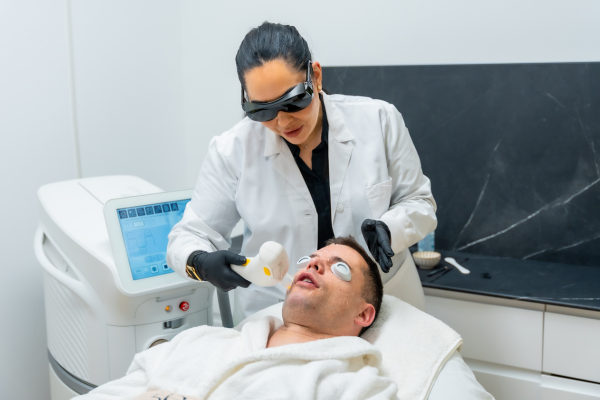
A successful career in esthetics is built on far more than an interest in skincare. Today’s employers look for professionals who understand skin science, can perform advanced treatments safely, work confidently with technology, and deliver an exceptional client experience from consultation through aftercare. That is why a strong Medical Esthetician program matters. It does not simply teach treatments. It develops the technical, professional, and business-ready skills needed to succeed in modern spas, clinics, and wellness environments.
For students considering this path, the real question is not only whether esthetics is appealing, but whether the training will prepare them for real-world work. This guide breaks down what you will actually learn in a medical esthetician program, how those skills progress from foundational to advanced, and how Anderson College prepares students for a rewarding medical esthetician career.
Inside a Medical Esthetician Program: Training, Skills, and Career Preparation
A strong medical esthetician training combines science, hands-on treatment training, advanced equipment use, and workplace professionalism. Students build their knowledge in stages, beginning with core esthetics principles and progressing into specialized treatments and client-centred practice.
Foundational Esthetician Skills
Every advanced treatment begins with strong fundamentals. Before students can work with specialized equipment or perform higher-level procedures, they need to understand the science of skin, the principles of hygiene, and the structure of safe, effective treatment delivery.
Students typically begin by learning:
- Skincare basics, including anatomy, skin science, nutrition, and Infection Control
- Facial techniques such as cleansing, skin analysis, facial massage, and standard and custom facials
- Body treatments including exfoliation, wraps, massage, and wellness-focused services
- Hair Removal and cosmetic procedures such as waxing, remedial makeup, and lash and brow services
This phase of training builds the practical base required for long-term success. It also develops essential medical esthetician skills such as observation, precision, sanitation awareness, and confidence in client-facing treatment settings.
Read more here: A Glimpse into a Day and the Life of a Medical Esthetician.
Medical Esthetics Treatments
Once foundational skills are in place, students move into the more specialized side of the field. This is where esthetics training becomes more technical and more aligned with today’s growing demand for non-invasive skin treatments that rejuvenate the skin and provides exceptional results.
Students learn advanced services such as:
- Anti-aging facial treatments
- Skin tightening procedures
- Intense pulsed light (IPL) skin rejuvenation
- Non-ablative fractionated laser resurfacing
- Laser and IPL hair removal
- Microdermabrasion & Hydradermabrasion
- Radiofrequency and ultrasound-based therapies
These treatments are popular because they offer visible, professional results without invasive procedures or extended recovery time. For students, this stage of medical esthetics training is where they begin to understand how technology, skin knowledge, and treatment planning come together in real practice.
More details you need to know: Medical Esthetician: A Look Inside This Specialized Career.
Professional And Business Skills
Technical treatment skills are only one part of the profession. To thrive in the field, students also need to know how to work with clients, support daily operations, and maintain professional standards in fast-paced service environments.
Training in this area includes:
- Client care, including skin analysis, treatment explanations, and aftercare guidance
- Building positive client relationships through professionalism and communication
- Appointment scheduling, room preparation, and inventory awareness
- Promoting services and supporting salon or spa and clinic operations
- Workplace ethics, hygiene standards, and professionalism
- Multi-tasking and adaptability in client-focused settings
This is what turns a student into a well-rounded professional. A strong medical esthetician course does not stop at teaching services. It prepares graduates to contribute to the full client experience and to support the business side of esthetics practice as well.
Hear from an ME graduate: Refugee to Launching a Medical Esthetics Business at 46 – Farid’s Journey
Anderson College Program Overview
Anderson College’s Medical Esthetician Program is designed to take students from foundational knowledge to advanced practical ability in a structured, career-focused way.
The program includes:
- 66 weeks of study
- 1,320 total hours of training
- A 4-week practicum at 20 hours per week
Students receive hands-on training in a fully equipped spa environment supported by classroom learning and industry-expert guidance. This structure helps students build confidence before entering practicum placements and real-world client care settings.
The curriculum covers:
- Introduction to esthetics
- Makeup, lashes, and brows
- Manicure and Pedicure
- Skincare, treatments, and facials
- Hair removal techniques
- Body treatments and spa massage
- Advanced medical esthetics treatments
- Salon/spa business and career success
Students also have the opportunity to apply their learning on real clients during practicum placements in spas, salons, or medical esthetic clinics. That practical exposure helps reinforce treatment accuracy, client care habits, and workplace readiness.
Learn more about how Anderson College prepares students for a successful medical esthetician career.
Career Applications Of Your Learning
The value of this training becomes clear when students look at where these skills can take them. A strong program prepares graduates for a range of environments across the esthetics and wellness field.
Graduates may find opportunities in:
- Medical spas
- Skin care clinics
- Wellness centres
- Beauty salons
- Resorts and destination spas
Possible roles include:
- Medical esthetician
- Laser technician
- Spa coordinator
- Skincare specialist
This range of outcomes shows why the training is so valuable. It builds practical versatility and opens doors across multiple settings where advanced skincare services are in demand. For students considering long-term growth, a solid path toward medical esthetician certification can further strengthen professional credibility depending on employer expectations and career goals.
Learn more about ME careers here: Where Do Medical Estheticians Work?
Take the Medical Esthetician Career Discovery Quiz to see how your strengths align with this career.
Building A Career With Technical Skill And Professional Confidence
A Medical Esthetician program does more than teach treatments. It develops the foundation, technical ability, client care approach, and workplace professionalism needed to succeed in a fast-growing field. From skincare science and facial treatments to advanced technologies and practicum experience, students gain the skills required to work confidently in modern esthetics environments.
For students seeking a career that blends hands-on service, visible results, and long-term professional growth, this training offers a clear and practical path forward.
____________________
Ready to take the next step? Take the Medical Esthetician Career Discovery Quiz to see if your interests align and then when you’re ready to launch your Medical Esthetician career, we’re here to help you navigate next steps. Book a virtual appointment with an Admissions Advisor today and let’s get you started on your future now!
Quick Links to Fuel Your Success!
We want to make sure you have what you need to succeed! Check out these reference links:
- Medical Esthetician – Medical Esthetician Course & Program at Anderson College
- How to Become a Medical Esthetician
- Is Medical Esthetician a Safe Career for the Long Term?
- Where Do Medical Estheticians Work?
- 7 Amazing Benefits of Working in a Medical Spa
Your ME Career Starts Here – Inside the North York Campus
Found this useful? Share it with a friend who's exploring their next career step.
Frequently asked questions
Quick answers about applying, funding, and life at Anderson College.
What skills do you learn in a medical esthetician program?
Students learn skincare analysis, facials, hair removal, advanced skin treatments, laser technologies, client care, and spa operations.
How long does a medical esthetician program take?
Most programs take under a year, combining classroom instruction, hands-on training, and practicum experience.
What treatments can a medical esthetician perform?
Medical estheticians perform advanced facials, laser hair removal, skin rejuvenation treatments, microdermabrasion, and other non-invasive procedures.
Is medical esthetics a good career in Canada?
Yes. Demand for non-invasive cosmetic treatments continues to grow, creating strong career opportunities in spas, clinics, and wellness centres.
Where can medical estheticians work?
Graduates work in medical spas, skincare clinics, salons, wellness centres, dermatology offices, and luxury resorts.
Do medical esthetician programs include hands-on training?
Yes. Quality programs provide practical training using professional equipment and real client experience through practicum placements.
How long does it take to complete a program at Anderson College?
What financial aid options are available?
Are international students welcome?
How do I apply?
Does Anderson College offer job placement support?
Still have a question? Speak with an Admissions Advisor →
More from the blog
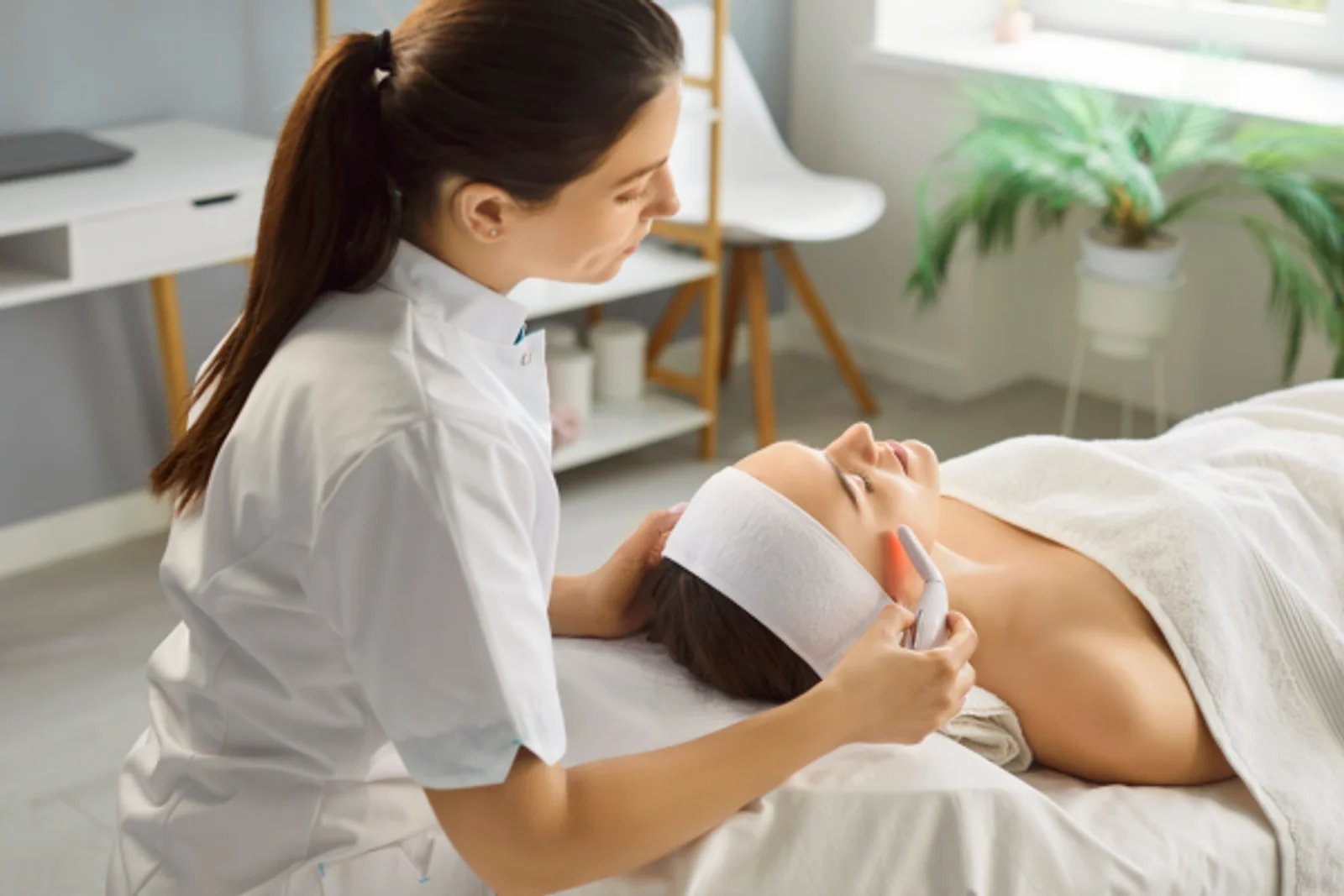
Top Medical Esthetician Skills to Excel in the Industry
The medical esthetics industry continues to grow as more people seek non-invasive treatments that support […] …
Read article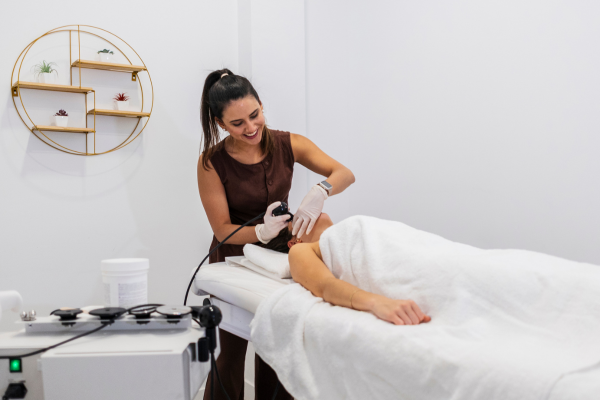
Where Do Medical Estheticians Work?
If you’re curious about skincare careers but wondering whether esthetics really goes beyond salons and […] …
Read article
From Courtroom Battles to Confidence in Medical Esthetics: Aida’s Journey
Each year, in the spirit of celebrating the diverse and powerful experiences of our students, […] …
Read article