
How to Become a Medical Esthetician
By Jennifer Maki · Communications Specialist
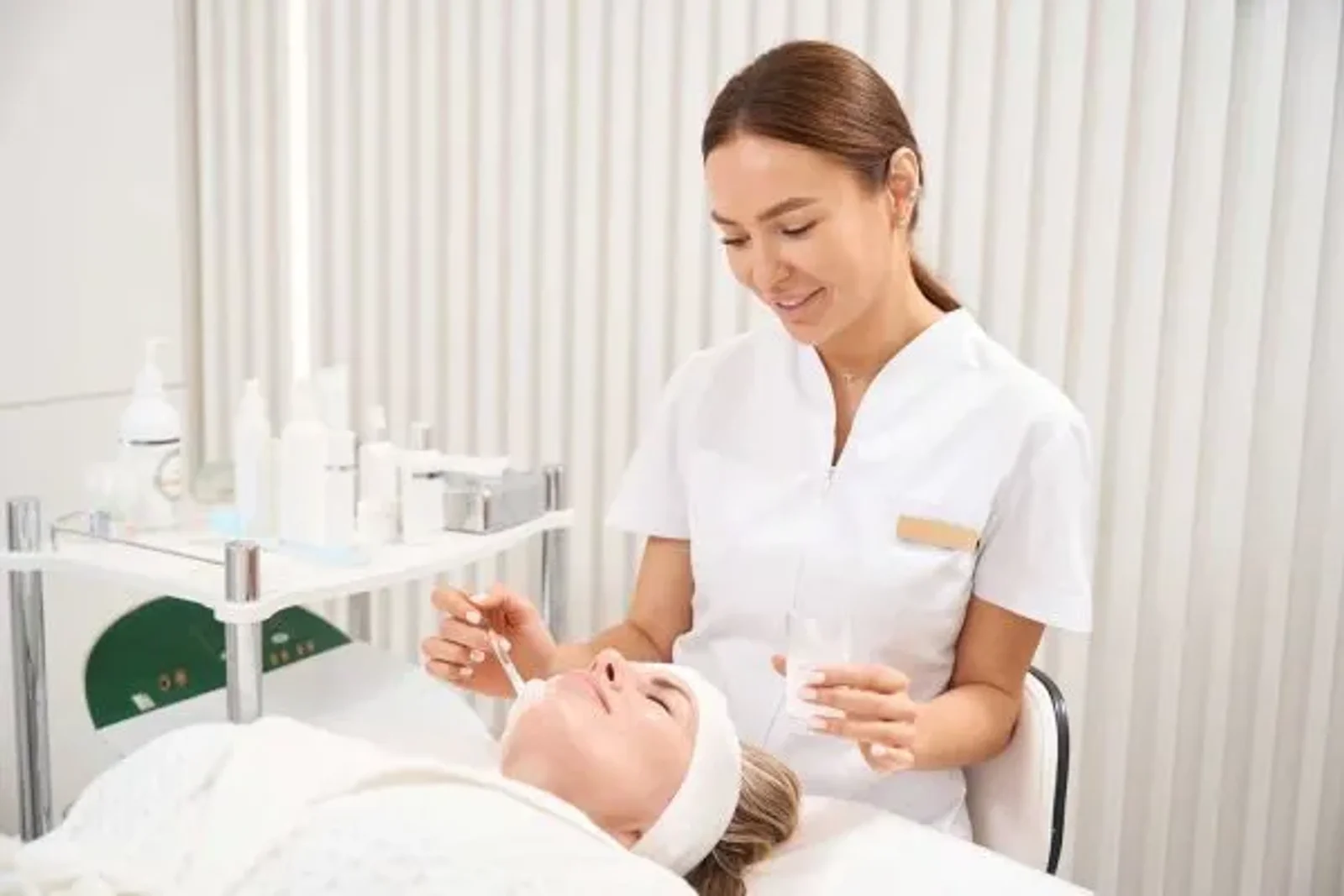
Medical estheticians play a dynamic role in the balance between beauty and skin care, blending their flair for beauty treatments with their medical knowledge to advance skin care solutions. If you’ve considered applying your passions to purpose within this thriving field, enrolling in a medical esthetician program or taking your esthetics training to new professional heights – this guide is for you.
Explore precisely what it takes to become a medical esthetician and how you can be looking to launch your career in just over one year.
1. The Opportunity
Medical esthetics is the fastest growing segment of the spa industry; this is expected to continue given population growth and an increased focus on health and well-being. To understand exactly why this industry needs you – connect with our popular post “5 Powerful Reasons to Pursue Your Career in Medical Esthetics.”
2.What Does a Medical Esthetician Actually Do?
Medical estheticians (MEs) specialize in therapeutic skincare with a focus on facial skin care and facial treatments. Treatments delivered range from skin tightening, anti-aging intense pulse light (IPL) and skin rejuvenation to non-ablative fractionated laser (NAFL) skin resurfacing. In addition, they are trained to perform laser hair removal, tattoo removal and remedial makeup and are skilled in using various state-of-the-art technologies such as laser, radiofrequency and microdermabrasion machines.
MEs are highly skilled professionals, often working alongside doctors, nurses, dermatologists or surgeons, providing pre- and post-surgery skincare treatments and patient support. They uphold the highest standards for cleanliness, and the prevention of contamination or infection.
Customer care is also a key part of their role; they are adept at communications and management duties such as scheduling and confirming appointments; performing preparatory work and properly cleaning and restocking rooms/dispensaries as required; controlling and monitoring inventory; as well as, promoting treatments, services, sessions and programs available to clients.
- To learn more about the varying roles and responsibilities of estheticians and medical estheticians – connect with our post on Esthetician vs Medical Esthetician – Essential Differences to Know.
3. What Is Included in Medical Esthetician Training?
Typically, aspiring MEs need a high school diploma or equivalent. For the Medical Esthetician program at Anderson College, you need an Ontario Secondary School Diploma or equivalent or be at least 18 years of age and pass the Wonderlic Test (a Superintendent approved qualifying test).
Anderson’s ME program:
- Is 66 weeks and includes a four-week practicum with on-the-job training, offsite with potential employers.
- Classes are small-sized and taught by experts in the industry, for student-centred support and practical-skills training.
- Students gain knowledge in skin care, human anatomy, nutrition, and the importance of bacteriology and decontamination. They gain experience in a variety of services including nail technology, skin care, manicures and pedicures, make-up artistry, body treatments, facials and various laser treatments.
- The program also covers the business management skills required for graduates to contribute to or to run their own salon or spa, as well as customer service strategies necessary for developing and maintaining positive customer relationships and adhering to the professional standards and ethics of the industry.
4. How Important Is Hands-On Training in This Career?
The ability to practically and consistently apply the knowledge and skills gained in the theoretical part of the program is essential for student success. At Anderson College we have a state-of-the-art facility, a fully equipped spa including laser technology, for students to practice before they find themselves on the job. In addition, the ME program includes a four-week practicum. We align students with our healthcare industry partners, and potential employers, allowing students to get a direct career experience before they graduate.
5. What Jobs Can You Get After Medical Esthetician School?
Positions available to you, once you’ve completed medical esthetician school, are varied and adaptable, allowing you to meet your individual career and life goals.
These are a few of the places and positions you can explore:
- Medical Spas – providing advanced treatments and therapies.
- Medical Clinics – collaborating with dermatologists and providing treatments as part of a larger healthcare setting.
- Hospitals – particularly contributing within areas such as dermatology, reconstructive surgery, assisting patients with cosmetic and skin care treatments.
- Freelance or Your Own Business – you can work independently offering your services to clients within your own establishment or travelling to their homes or special locations for events and services.
- Specialization – honing your skills in a specific area, such as chemical peels or advanced laser treatments and offering these skills to various places and people.
- Educator/Instructor – once you’ve gained some experience in providing services and treatments, you can inspire and mentor the next generation of medical esthetician professionals.
_______________________________________
Is Becoming a Medical Esthetician Worth It?
While becoming a medical esthetician takes on-the-job dedication and a commitment to life-long learning, it is a thrilling and thriving field for those with the passion for beauty and skin care health and vitality. With a leading-edge medical esthetician course, you can hone your abilities, receive the guidance and hands-on experience required to become confident and in demand, and land the position you dream of … making a difference every day in the quality of clients’ lives.
Still wondering if this field is for you? Take the “Medical Esthetician Career Discovery Quiz”. But when you’re ready to launch your Medical Esthetician career, we’re here to help you navigate the steps to achieve your career goals.
Book a virtual appointment with us today and let’s get you started!
We want to make sure you have what you need to succeed! Check out these reference links:
- Medical Esthetician – Medical Esthetician Course & Program at Anderson College
- 7 Amazing Benefits of Working in a Medical Spa
- The Facts and Benefits of Facials
- 5 Tips for Achieving Career Success as a Medical Esthetician
Frequently Asked Questions (FAQs)
1. How long does it take to become a medical esthetician in Canada?
Most programs take 12–18 months, including hands-on training and practicum hours.
2. Do I need a license to work as a medical esthetician?
Requirements vary by province, but completing a recognized medical esthetician program is essential for employment.
3. What is the difference between an esthetician and a medical esthetician?
Medical estheticians perform advanced, device-based treatments and often work in clinical settings, while estheticians focus on spa-based services.
4. Can I specialize in laser treatments?
Yes. Many graduates specialize in laser hair removal, IPL, skin resurfacing, and related advanced modalities.
5. Where do medical estheticians earn the highest income?
Typically, in medical spas, dermatology offices, cosmetic clinics, or operating their own business.
Found this useful? Share it with a friend who's exploring their next career step.
Frequently asked questions
Quick answers about applying, funding, and life at Anderson College.
How long does it take to complete a program at Anderson College?
What financial aid options are available?
Are international students welcome?
How do I apply?
Does Anderson College offer job placement support?
Still have a question? Speak with an Admissions Advisor →
More from the blog
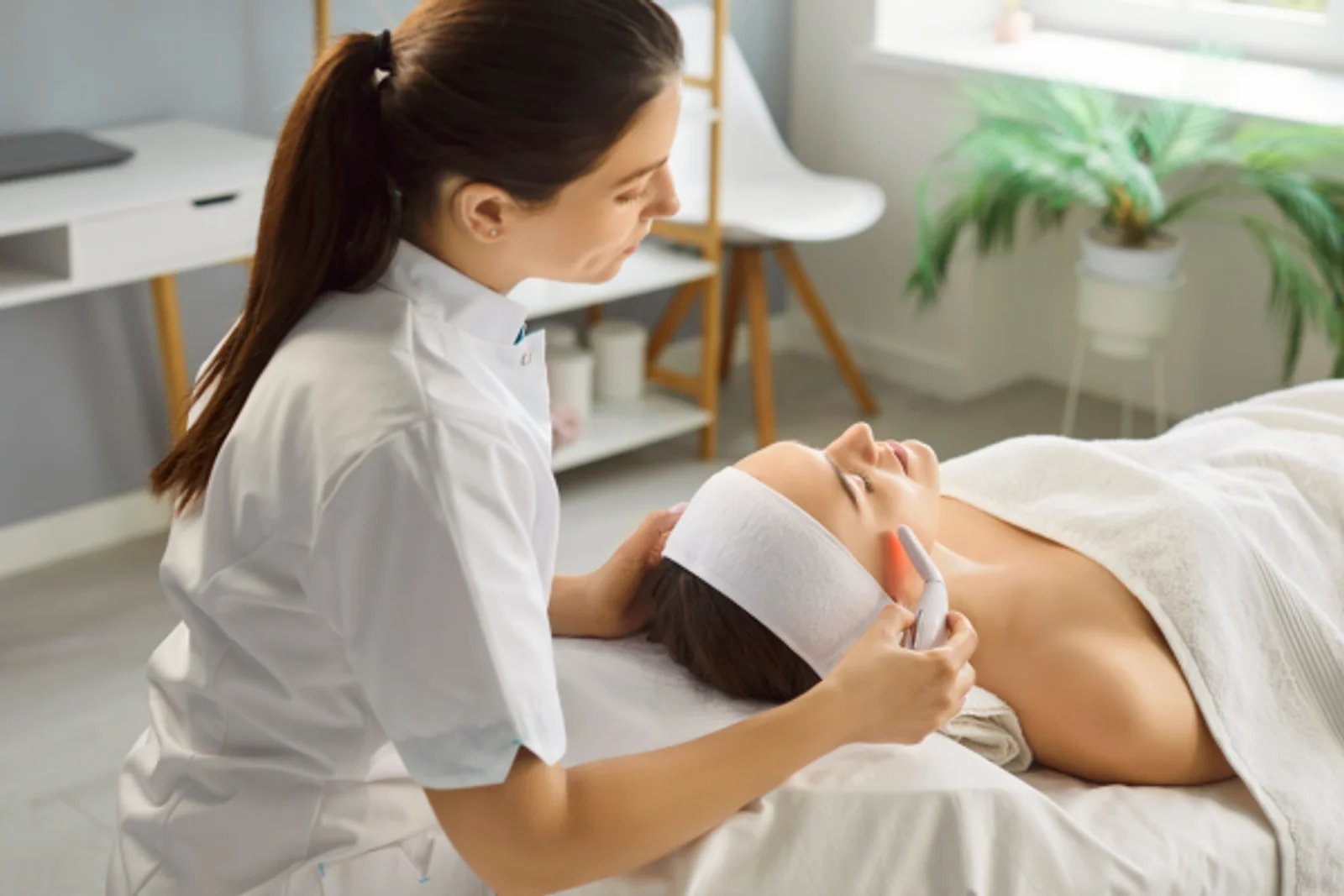
Top Medical Esthetician Skills to Excel in the Industry
The medical esthetics industry continues to grow as more people seek non-invasive treatments that support […] …
Read article
5 Things to Consider Before Enrolling in an Early Childcare Assistant Program
Choosing a career in early learning and childcare means stepping into a role that supports […] …
Read article
Stronger Communities, Brighter Futures: How Anderson College Helps Protect Ontario
Supporting communities is at the heart of Anderson College’s mission, and it has been for […] …
Read article