
The Importance of Medical Office Administrator: The Backbone of Healthcare
By Jennifer Maki · Communications Specialist

Healthcare in Canada is increasingly complex. Patient volumes are rising. Documentation requirements are expanding. Digital record systems are now standard. Clinics must balance clinical excellence with operational precision every single day. At the centre of that balance is the medical office administrator.
Understanding the importance of medical office administrator roles is essential for anyone considering a career in healthcare operations. Medical office administrators ensure clinics run efficiently, physicians can focus on care, and patients experience organized, professional service from arrival to discharge.
This article explores why healthcare providers depend on medical office administrators and how structured training prepares graduates to succeed in this vital role.
Understanding the Importance of Medical Office Administrator in Modern Healthcare
Healthcare delivery depends on coordination. Every appointment scheduled, lab requisition processed, insurance claim submitted, and electronic record updated must be handled accurately and efficiently. When these systems break down, patient care is affected.
Medical office administrators serve as the operational bridge between patients and providers. They manage information flow, maintain compliance standards, and ensure clinics operate with consistency and professionalism.
The Role of Medical Office Administrators in Healthcare Clinics
Medical office administrators are trained professionals who manage administrative workflow and provide structured clinical support within healthcare environments.
Core medical office administrator duties extend beyond answering phones or booking appointments. They include:
- Managing electronic medical records and ensuring documentation accuracy
- Coordinating patient scheduling to optimize clinic efficiency
- Processing insurance claims and medical billing transactions
- Preparing medical correspondence and reports
- Assisting with exam room preparation and basic procedural support
- Communicating clearly with patients, physicians, and interdisciplinary teams.
These medical office administrator responsibilities position them as essential workflow coordinators. They protect patient confidentiality, reduce administrative errors, and improve operational continuity. In many clinics, they are the first professional a patient interacts with and the final person ensuring follow-up care instructions are understood.
For a deeper look at daily tasks, visit: What a Medical Office Administrator Does – All You Need to Know.
Clinics depend on trained administrative professionals to prevent bottlenecks and maintain regulatory compliance.
Why Healthcare Clinics Depend on Medical Office Administrators
Modern clinics are high-volume environments. Physicians face increasing patient loads, while regulatory requirements for documentation and reporting continue to grow. Without structured administrative oversight, clinical efficiency declines.
Medical office administrators improve healthcare delivery by:
- Allowing physicians to focus on diagnosis and treatment rather than paperwork
- Ensuring accurate billing and insurance submissions
- Maintaining organized patient records within electronic systems
- Supporting compliance with privacy and healthcare regulations
- Creating a welcoming and professional patient experience.
Administrative precision directly impacts patient satisfaction. Wait times decrease. Records are accurate. Communication improves. In a system facing physician shortages and growing patient demand, trained support professionals are not optional. They are essential.
To better understand the pace and coordination involved, read: A Fast-Paced Day in the Life of a Medical Office Administrator.
Curious whether this career aligns with your strengths? Take the “Anderson College Medical Professional Career Discovery Quiz”.
Where Medical Office Administrators Work
Graduates pursuing medical office administration jobs benefit from diverse employment settings across the healthcare system.
Medical office administrators work in:
- Hospitals
- Insurance companies
- Community healthcare agencies
- Addiction centres
- Private laboratories
- Specialty clinics
- Physicians’ offices
- Clinical research organizations
- Wellness centres
- Long-term care facilities
- Retirement homes.
This breadth of opportunity strengthens long-term stability and mobility within the healthcare sector. Administrative expertise is transferable across environments, allowing professionals to adapt as healthcare delivery models evolve.
Explore more career pathways here: Medical Office Administrator Career Options for Graduates.
Growing Demand for Medical Office Administrators in Canada
Several structural factors are driving sustained demand:
- Canada’s aging population requires more frequent medical appointments
- Expansion of private clinics and specialty practices
- Increased reliance on electronic health records
- Greater emphasis on regulatory documentation and compliance
- Physician shortages increasing reliance on administrative support staff.
Healthcare systems cannot scale without operational support. This has strengthened demand for graduates of a structured medical office administration program who understand medical terminology, documentation protocols, and electronic systems.
As clinics expand and administrative requirements increase, medical office administrators have become one of the most in-demand entry-level healthcare roles across Canada’s evolving healthcare system.
How Anderson College Prepares Medical Office Administrators
Success in this field requires more than general office skills. A structured medical office administration course prepares students to operate confidently within clinical environments.
Anderson College offers two pathways:
- MOA-Capstone*, fully online for flexible at-home learning
- MOA-Accredited Program*, delivered on campus and accredited by the Canadian College of Health Information Management
The accredited program meets the national standards set by the Canadian College of Health Information Management (CCHIM) and prepares graduates to write the National Certification Exam (NCE) toward the Health Information – Certified Associate (HICA) designation. This certification pathway strengthens professional credibility and demonstrates alignment with national health information management standards.
Both options lead to a medical office administration diploma designed to reflect the realities of modern healthcare clinics.
Training includes:
- Medical terminology and anatomy
- Electronic health records systems
- Medical billing and insurance processing
- Documentation standards and transcription
- Patient communication and professionalism
- Clinical preparation procedures
Small class sizes allow for instructor support and applied skill development. Students gain experience with real administrative workflows rather than abstract theory.
Career services are provided for life and include:
- Resume development
- Interview preparation
- Employer connections
- Job search support
Catch a Glimpse of How MOAs Are Trained:
Have questions about training, delivery options, or career outcomes? Book a virtual appointment with an admissions advisor.
Professional preparation ensures graduates are ready to contribute to clinic efficiency with confidence and competence.
A Career That Strengthens Healthcare From Within
The importance of medical office administrator roles extends far beyond administrative support. Clinics rely on these professionals to maintain operational flow, protect patient information, manage complex documentation systems, and ensure physicians and nurses can focus fully on patient care. Without organized front-office leadership and precise record management, healthcare delivery slows, errors increase, and patient experience suffers.
As Canada’s healthcare system grows more complex, medical office administrators remain essential to clinic efficiency, regulatory compliance, and positive patient interactions. They are often the first point of contact and the steady presence behind every coordinated appointment, referral, and follow-up. Their work directly supports continuity of care and strengthens the entire clinical environment.
With structured education, hands-on skill development, and exposure to real healthcare workflows, graduates can build stable and meaningful careers within a system that depends on accuracy, professionalism, and communication. Anderson College provides a trusted pathway into this in-demand profession, equipping students with the competencies required to contribute confidently from day one.
Take the Next Step Toward Your MOA Career
If you are ready to build a career that supports healthcare delivery while directly shaping patient experience, explore Anderson College’s Medical Office Administrator programs to see how they prepare graduates for today’s clinical environments.
If you are still evaluating your options, take the “Anderson College Medical Professional Career Discovery Quiz” to assess your fit.
Have questions about accreditation, training pathways, or career outcomes? Book a virtual appointment with an admissions advisor to discuss your next steps in entering this essential healthcare profession.
*Please take special note: Only the MOA program that includes a practicum is accredited by the Canadian College of Health Information Management (CCHIM). Students who opt for the Capstone project will not graduate from an accredited program.
Quick Links to Fuel Your Success!
We want to make sure you have what you need to succeed! Check out these reference links:
- Medical Office Administrator programs at Anderson College – online
- Medical Office Administrator program at Anderson College – in person and CCHIM accredited *
- A Fast-Paced Day in the Life of a Medical Office Administrator
- Medical Office Administrator Career Options for Graduates
- 5 Ways a MOA Program Preps you for Clinics and Hospitals
Found this useful? Share it with a friend who's exploring their next career step.
Frequently asked questions
Quick answers about applying, funding, and life at Anderson College.
How long does it take to complete a program at Anderson College?
What financial aid options are available?
Are international students welcome?
How do I apply?
Does Anderson College offer job placement support?
Still have a question? Speak with an Admissions Advisor →
More from the blog

Health Information Management vs Medical Office Administration: Your Guide
Ever wondered who ensures your health records are accurate and secure, or who keeps a […] …
Read article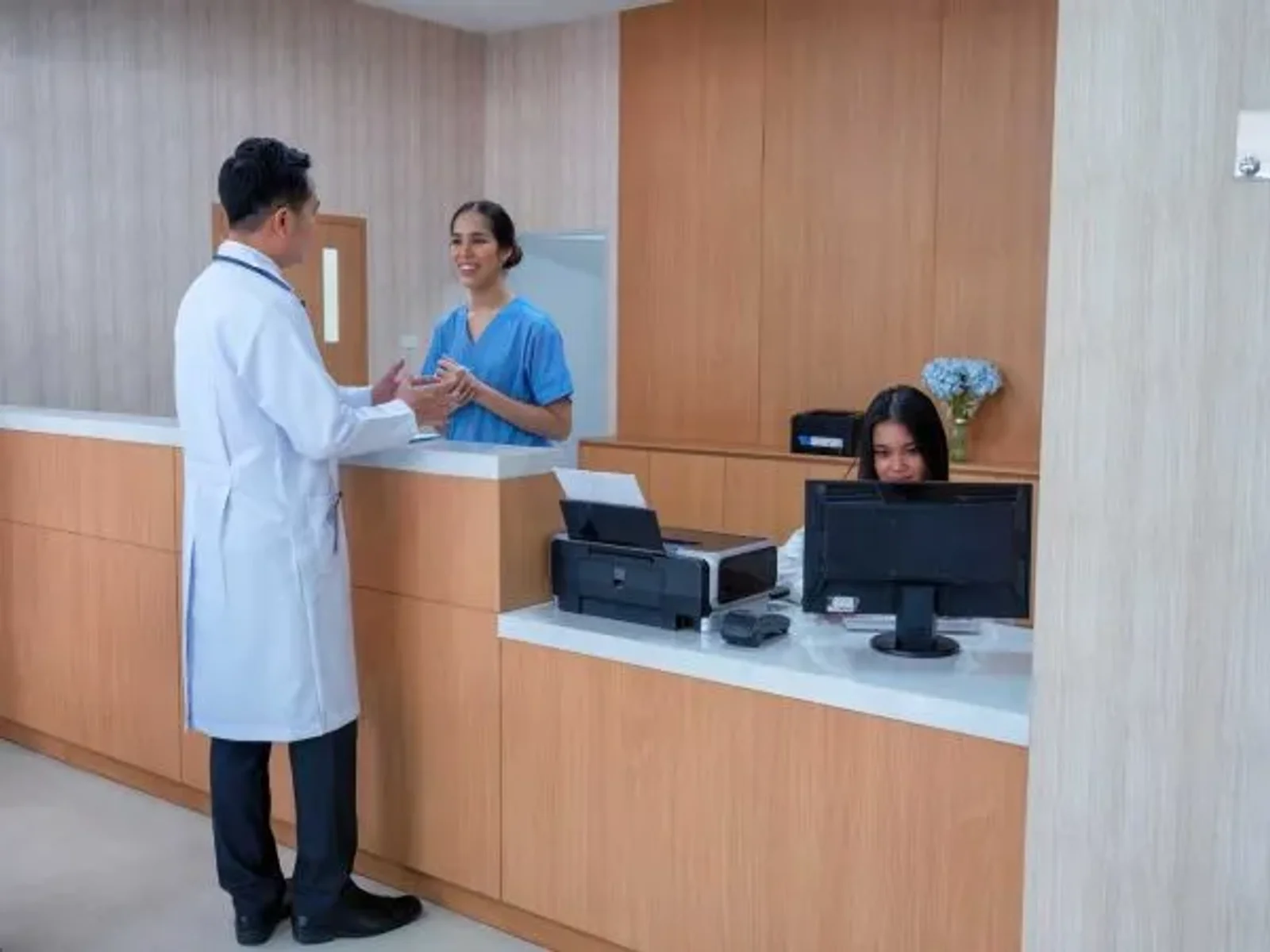
Inside Medical Office Administration, Skills and Career Outlook
There is no secret to a smooth-running clinic, hospital department or private practice – it’s […] …
Read article
5 Ways a Medical Office Admin Program Preps for Clinics & Hospitals
Behind every calm, efficient, welcoming medical office is a stellar professional keeping it all running […] …
Read article