
The Vital Role of a Cardiology Technologist in Healthcare Today
By Jennifer Maki · Communications Specialist
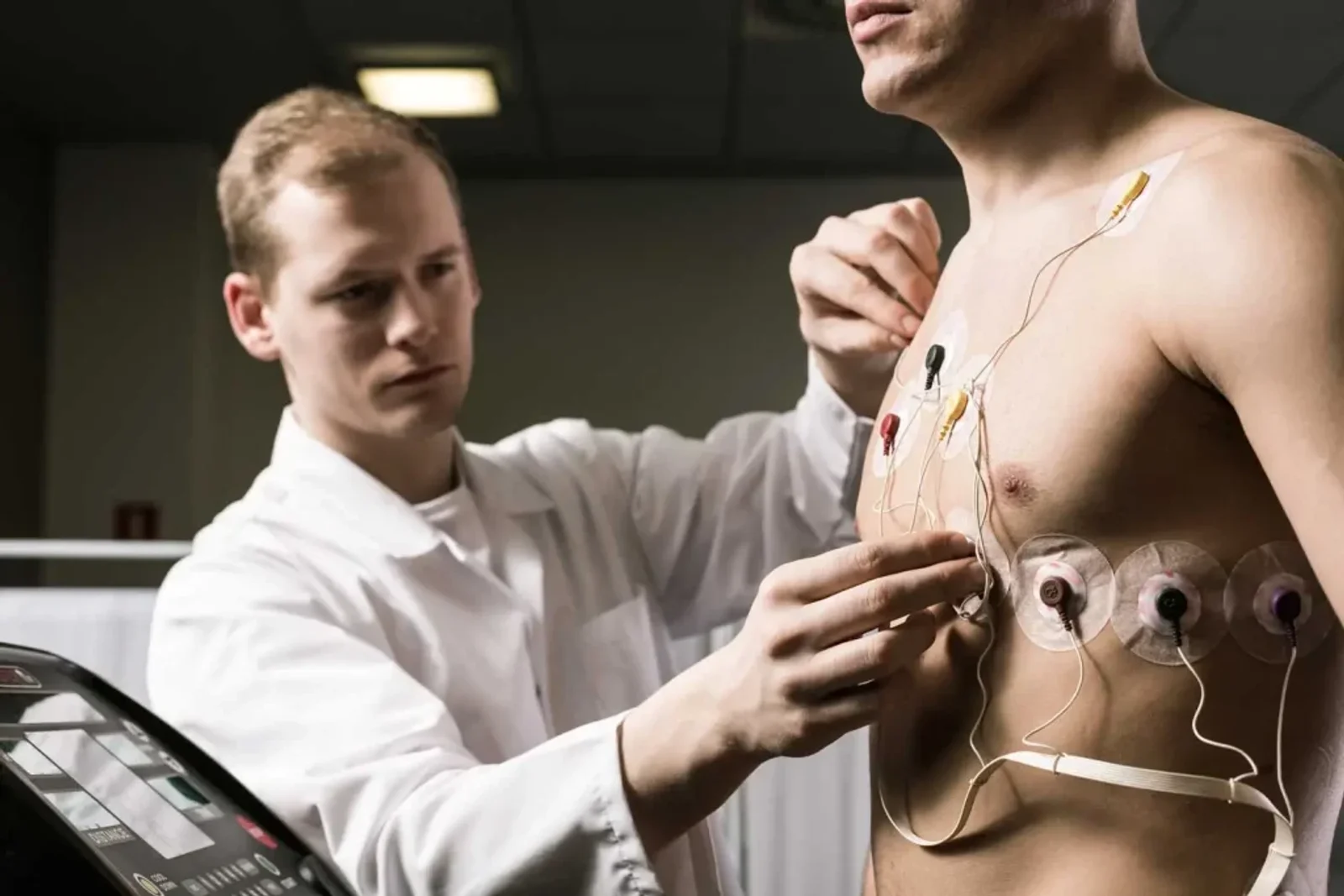
Cardiovascular disease remains one of the greatest health challenges of our time. In Canada, approximately 1 in 12 adults lives with diagnosed heart disease, totaling around 2.6 million people; incredibly, someone dies from a heart condition every five minutes.*
Against this backdrop, the cardiology technologist emerges as a pivotal player in modern healthcare. These skilled professionals perform critical non invasive diagnostic procedures, to assist physicians in identifying and monitoring heart and vessel conditions. If you’ve ever considered exploring a career in cardiology technology and are looking for a leading-edge cardiology technologist program, Anderson College has a powerful track record for supporting students – through theoretical learning and hands-on training in state-of-the-art labs, with the latest technology – to thrive in this evolving industry.
In this blog, we’re giving you a foundation of knowledge upon which to build your understanding, allowing you to make an informed decision about this field and your future in it.
We cover:
- Who a cardiology technologist is, and what they do in daily clinical settings
- Their key responsibilities from conducting tests to patient education
- The skills and personal qualities that define top-performing technologists, and
- Why this is an in demand, rewarding career in tech enabled patient care.
The Essential Role of a Cardiology Technologist: What You Need to Know
WHO IS A CARDIOLOGY TECHNOLOGIST?
A cardiology technologist (CT) is a highly trained healthcare professional who plays a vital role in diagnosing and monitoring heart and vascular conditions. Working alongside cardiologists and other medical specialists, they use sophisticated diagnostic equipment to record and assess the electrical activity of the heart, identify irregularities, and support patient care planning.
At the core of their role is performing and interpreting non-invasive cardiac tests; these procedures are often the first step in detecting heart disease or determining treatment effectiveness.
On a daily basis, cardiology technologists:
- Prepare patients for testing and explain procedures to reduce anxiety
- Accurately place electrodes or monitors and ensure optimal data capture
- Operate, troubleshoot, and maintain high-tech cardiac equipment
- Analyze test results and flag abnormalities for physician review
- Collaborate with healthcare teams to provide timely, life-saving insights.
Beyond their technical duties, they must demonstrate empathy, professionalism, and critical thinking, ensuring both patient comfort and accurate diagnostics. As technology continues to advance, so does the importance of their role, bridging complex systems with compassionate care. These comprehensive and essential elements are all a part of Anderson College’s cardiology technologist course.
KEY RESPONSIBILITIES OF A CARDIOLOGY TECHNOLOGIST
CTs are at the heart of patient diagnostics, responsible for conducting and analyzing tests that guide critical medical decisions. Their role combines technical precision, deep understanding of cardiac function, and compassionate patient interaction.
Here’s a closer look at their core responsibilities:
- Conduct Diagnostic Tests
Cardiology technologists perform a variety of non-invasive tests, including electrocardiograms (ECGs), Holter monitoring, ambulatory blood pressure monitoring, stress tests, and in some cases, assist with echocardiography. These tests record and evaluate the heart’s electrical and functional activity to detect arrhythmias, ischemia, or other cardiac abnormalities. - Operate Specialized Cardiac Equipment
From treadmill systems used in exercise stress testing to Holter analyzers, event loop recorders, and ECG machines, CTs are trained to handle sophisticated equipment. Their knowledge of calibration, maintenance, and real-time troubleshooting ensures both accuracy and reliability in test results. - Support Physicians in Diagnosing Heart Conditions
While physicians make final diagnoses, CTs play a pivotal role in gathering and interpreting preliminary data. They highlight anomalies, flag critical findings, and often offer clinical context that helps inform next steps in a patient’s care plan. - Prepare and Educate Patients
Patients undergoing cardiac testing may be anxious or unwell. Technologists explain procedures, answer questions, and guide patients step by step, ensuring they feel informed and at ease, an essential part of capturing accurate results. - Collaborate with Medical Professionals
Whether working in hospitals, cardiac clinics, or diagnostic labs, technologists are part of a collaborative care team. They communicate findings with physicians, nurses, and other allied health professionals to ensure seamless patient care. - Ensure Patient Safety and Comfort
From accurate lead placement to monitoring patient responses during exercise or prolonged monitoring, technologists are trained to identify warning signs and respond swiftly. Their role is not only technical, but also safety-focused, ensuring that tests are conducted ethically, efficiently, and with the patient’s well-being as the top priority.
SKILLS AND QUALITIES OF A CARDIOLOGY TECHNOLOGIST
To thrive in the high-stakes, tech-driven world of cardiac diagnostics, cardiology technologists need a well-rounded blend of technical, interpersonal, and clinical skills. The role requires not only a deep understanding of the heart, but also the human behind it.
- Technical Proficiency
At the core of the profession is the ability to master and adapt to complex cardiac equipment and software. From ECG machines to Holter monitors and exercise testing systems, technologists must understand both hardware and the underlying cardiac science. Anderson College’s Cardiology Technology program includes over 1,300 hours of hands-on lab and practicum training, ensuring graduates are confident and capable in clinical environments. - Strong Attention to Detail
When reading ECG waveforms or setting up multi-lead monitors, minor errors can have major consequences. CTs must demonstrate precision in everything they do, from placing electrodes to interpreting arrhythmias, ensuring test results are reliable and actionable. - Excellent Communication Skills
Technologists serve as a bridge between patient and physician. They must be able to clearly explain procedures to patients, gather essential information, and convey test findings to physicians and medical teams. Whether offering reassurance or reporting irregularities, strong communication is essential to care and collaboration. - Problem-Solving Ability
From responding to equipment malfunctions during a stress test to adjusting for patient limitations or irregular heart rhythms, this role requires quick thinking. CTs must assess situations calmly, troubleshoot on the fly, and adapt their approach without compromising test quality or patient safety. - Empathy and Patient Care
Many patients undergoing cardiac tests are scared, vulnerable, or unwell. A CT’s ability to create a calm, respectful, and supportive environment has a direct impact on both patient comfort and test accuracy. This human connection is as vital as the technical data. - Teamwork and Collaboration
Cardiology technologists are integral members of a larger care team. Whether in fast-paced hospitals or outpatient clinics, they must work closely with cardiologists, nurses, and fellow allied health professionals to coordinate care and deliver the best outcomes for patients.
WHY CARDIOLOGY TECHNOLOGY IS A CAREER ON THE RISE
With cardiovascular disease remaining one of the top health concerns globally, the demand for skilled CTs is only growing. As healthcare shifts toward non-invasive, tech-enabled diagnostics, this role becomes even more vital, supporting earlier detection, more accurate treatment planning, and better patient outcomes.
In Canada, Job Bank gives this profession a “Good” outlook, citing steady demand, low unemployment, and new opportunities driven by retirements and healthcare system expansion. From hospitals to private clinics, employers are actively seeking professionals who can navigate complex equipment, analyze cardiac data, and deliver compassionate care.
What makes this career truly rewarding is its unique blend of technology, teamwork, and heartfelt purpose. Whether you’re passionate about healthcare, fascinated by medical tech, or simply driven to help people, cardiology technology offers a rewarding path with the potential for a brilliant career future.
Need more? Check out our popular blog: Your Complete Guide to Becoming a Cardiology Technologist.
________________________________________
Cardiology technologists are more than just skilled technicians, they are essential allies in the fight against heart disease, blending technical precision with compassionate care. If you’re drawn to healthcare, intrigued by technology, and ready to make a meaningful difference, this in-demand career could be your perfect fit.
Still considering if this field is for you? Take our Cardiology Technologist Career Discovery Quiz.
When you’re ready to explore your Cardiology Technology career or even one of our other 30+ leading-edge programs, we’re here to help you navigate the steps along the way. Book a virtual appointment with an admissions advisor and let’s get you started!
Quick Links to Fuel Your Success!
We want to make sure you have what you need to succeed! Check out these reference links:
- Cardiology Technology – at Anderson College
- Cardiology Technologist Shortage Now – Means Opportunity for You!
- Cardiology Technology Graduates Share Their Success with You!
- Your Complete Guide to Becoming a Cardiology Technologist
* Reference for heart disease in Canada – Canada.ca – Public Heath – Heart Disease
Found this useful? Share it with a friend who's exploring their next career step.
Frequently asked questions
Quick answers about applying, funding, and life at Anderson College.
How long does it take to complete a program at Anderson College?
What financial aid options are available?
Are international students welcome?
How do I apply?
Does Anderson College offer job placement support?
Still have a question? Speak with an Admissions Advisor →
More from the blog

5 Things to Consider Before Enrolling in an Early Childcare Assistant Program
Choosing a career in early learning and childcare means stepping into a role that supports […] …
Read article
Cardiology Technologist Day in the Life: Inside a Real Clinical Workflow
Cardiovascular health remains one of the most critical areas of modern healthcare, and behind every […] …
Read article
Stronger Communities, Brighter Futures: How Anderson College Helps Protect Ontario
Supporting communities is at the heart of Anderson College’s mission, and it has been for […] …
Read article