
How Long Does It Take to Become a Cardiology Technologist?
By Jennifer Maki · Communications Specialist

Heart disease remains one of the leading health challenges worldwide—and in Canada, approximately 1 in 12 adults lives with diagnosed heart disease. This reality fuels a growing demand for skilled professionals who can assist in diagnosing and treating cardiac conditions. Among these vital roles is the cardiology technologist, a healthcare professional who blends advanced technology with compassionate patient care to make a life-saving difference every day.
What makes this cardiology technologist career especially appealing is how quickly you can step into it. With focused cardiology technologist training, hands-on practicum, and accreditation from industry-recognized bodies, you can be career-ready in under two years – prepared to support cardiologists in safeguarding heart health.
In this blog, we’ll explore what does a cardiology technologist do, how long it takes to complete a cardiology technologist program and begin your career, the specialized skills you’ll gain through cardiology technologist certification, and the lasting benefits of choosing this rewarding healthcare path.
Your Path to Becoming a Cardiology Technologist, Faster Than You Think
Understanding The Cardiology Technologist Career
What is Cardiology Technology?
Cardiology technology is a specialized healthcare field focused on diagnosing and monitoring heart and blood vessel disorders. By using advanced equipment and procedures, cardiology technologists gather essential data that helps physicians detect conditions early and guide treatment plans.
What Does a Cardiology Technologist Do?
In daily practice, a cardiology technologist performs non-invasive diagnostic procedures such as:
- Electrocardiograms (ECGs)
- Ambulatory ECG Recording and Monitoring
- Ambulatory Blood Pressure Monitoring
- Graded Exercise Tolerance Testing, Pharmacological, Nuclear
- Recording Arrhythmias during cardiac procedures.
- Implantable Cardiac Device Interrogation/programming
Beyond technical tasks, they reassure patients, explain procedures, and work as critical members of the cardiac care team.
Where Do Cardiology Technologists Work?
Graduates are employed in:
- Hospitals
- Cardiology clinics
- Diagnostic laboratories
- Community healthcare centres.
This variety ensures a dynamic career with opportunities to work in fast-paced or more specialized environments.
For more details read: The Vital Role of a Cardiology Technologist in Healthcare Today.
How Long Does It Take To Complete The Program?
At Anderson College, the Cardiology Technology diploma program takes 76 weeks to complete, including 600 hours of clinical practicum.
- Structure: A full-time program blending classroom theory with lab practice and clinical placements.
- Practicum: Hands-on experience in hospitals and diagnostic facilities, where students apply classroom knowledge in real-world patient care.
- Accreditation: The program is fully accredited by Accreditation Canada’s EQual program, reflecting exceptional academic and safety standards.
- Career Preparation: Graduates are equipped to challenge the Canadian Society of Cardiology Technologists (CSCT) National Exam and qualify for professional certification and employment.
This means that in less than two years, you can move from student to healthcare professional in a high-demand field.
Why Choose A Career In Cardiology Technology?
Growing Demand for Heart Health Professionals
As cardiovascular disease continues to affect millions, the need for trained cardiology technologists remains strong, ensuring consistent job opportunities.
Innovation in Cardiology
From wearable heart monitors to advanced diagnostic imaging, technology is transforming cardiac care. Cardiology technologists are at the forefront of this innovation, using cutting-edge tools to improve outcomes.
A Fulfilling Career with Impact
Few roles blend technical expertise and patient interaction so seamlessly. Cardiology technologists directly support physicians while providing reassurance and care to patients, making their work both impactful and rewarding.
Read More: 10 Key Reasons to Become a Cardiology Technologist in Canada
Hear Directly from Our Students and Graduates:
What Makes This Career Specialized?
Cardiology technologists are more than technicians; they are the bridge between patients, physicians, and life-saving technology. Their work includes:
- Operating and interpreting results from ECGs, Holter monitors, and stress tests
- Collaborating closely with cardiologists to identify and monitor heart conditions
- Playing a direct role in improving patient outcomes through accurate diagnostics and compassionate support.
This balance of science, technology, and human care is what makes the career so unique.
What You Will Learn In A Cardiology Technology Program
At Anderson College, our Cardiology Technology diploma program combines theory, labs, and hands-on practice so you graduate confident and career-ready. Over 76 weeks, including 600 hours of supervised clinical practicum, you’ll build a strong foundation in anatomy, diagnostics, patient care, and cardiovascular technology.
Core Courses
- Anatomy & Physiology – Body systems, structure, and homeostasis
- Cardiac Anatomy – Heart function, blood flow, and the hearts electrical conduction activity
- Medical Terminology & Computer Principles – Healthcare language and essential software
- Professionalism & Clinical Safety – Legal, ethical, and safe patient care
Specialized Training
- ECG Fundamentals & ECG Clinical Practice – Accurate application/performance and interpretation of 12 Lead ECG’s
- Basic & Advanced Arrhythmia – Identifying normal and abnormal rhythms of the heart
- Advanced Cardiac Pathologies – Heart failure, cardiomyopathies, coronary artery disease, and congenital defects
- Pharmacology – How cardiac drugs affect the Conduction system, ECG and the Cardiovascular system
- Exercise Tolerance Testing – Monitoring heart rate, blood pressure, ECG, and patient symptoms during cardiovascular evaluation
Ambulatory Monitoring – Holter and blood pressure devices application, monitoring and reporting
- Electrophysiology & Ablation – Intro to invasive cardiac testing and Intervention therapy
- Cardiac Implantable Devices – Pacemakers, ICDs, and cardiac resynchronization therapy devices
- Pediatric Cardiology – Congenital defects and the pediatric ECGs
Practicum Experience
600 hours of supervised clinical experience in hospitals and diagnostic centres, applying classroom knowledge to real patients and building essential professional skills – ensuring students graduate confident and job-ready.
More Details: Your Complete Guide to Becoming a Cardiology Technologist
Benefits Of Pursuing A Career In Cardiology Technology
- High Demand – Employers across Canada seek certified cardiology technologists.
- Career Growth – Opportunities to specialise in electrophysiology, pacemaker clinics, or leadership roles.
- Meaningful Impact – Every test conducted and every patient reassured contributes to saving lives and improving quality of care.
____________________________
Becoming a cardiology technologist offers more than a career … it’s an opportunity to step into a profession that directly saves lives while offering stability and growth. With accredited training, hands-on practicum, and a clear path to certification, you can be workforce-ready in under two years.
If you’re ready to blend technology, compassion, and purpose, this could be the career that defines your future.
__________________________
Still considering if this field is for you? Take our Cardiology Technologist Career Discovery Quiz.
When you’re ready to explore how to become a cardiology technologist and our program, or even one of our other 30+ leading-edge programs, we’re here to help you navigate the steps along the way. Book a virtual appointment with an admissions advisor and let’s get you started!
Quick Links to Fuel Your Success!
We want to make sure you have what you need to succeed! Check out these reference links:
Found this useful? Share it with a friend who's exploring their next career step.
Frequently asked questions
Quick answers about applying, funding, and life at Anderson College.
How long does it take to complete a program at Anderson College?
What financial aid options are available?
Are international students welcome?
How do I apply?
Does Anderson College offer job placement support?
Still have a question? Speak with an Admissions Advisor →
More from the blog

5 Things to Consider Before Enrolling in an Early Childcare Assistant Program
Choosing a career in early learning and childcare means stepping into a role that supports […] …
Read article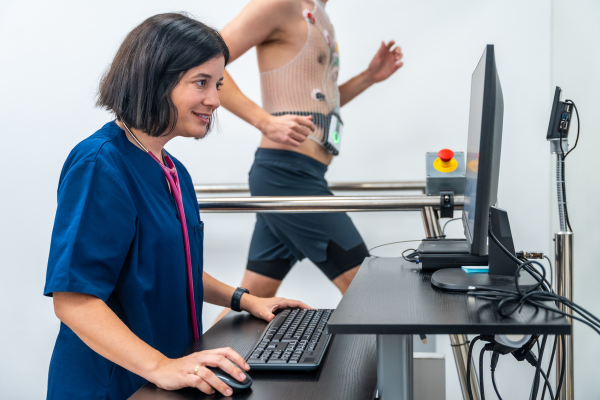
Cardiology Technologist Day in the Life: Inside a Real Clinical Workflow
Cardiovascular health remains one of the most critical areas of modern healthcare, and behind every […] …
Read article
Stronger Communities, Brighter Futures: How Anderson College Helps Protect Ontario
Supporting communities is at the heart of Anderson College’s mission, and it has been for […] …
Read article