
3 Things To Know About Prosthetics For Physiotherapist Assistant
By Jennifer Maki · Communications Specialist
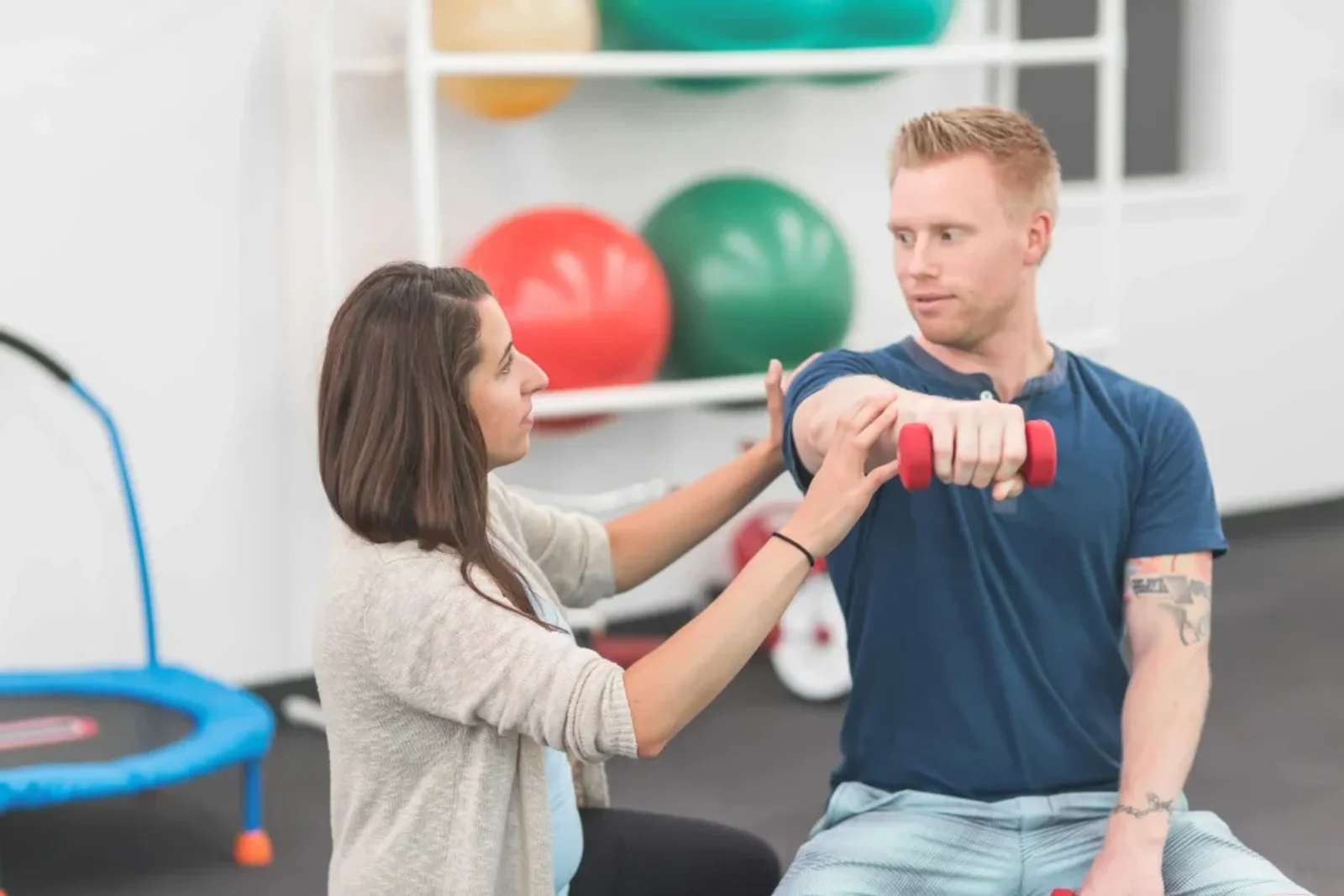
If you’re considering a career as a physiotherapist assistant, you could find yourself working with clients who have undergone an amputation and need to learn how to use a prosthetic limb. Working under the supervision of a physiotherapist to help such clients is one example of how you can make a difference in the lives of others as a physiotherapist assistant.
There are many important considerations that go into rehabilitation for people who have had an amputation. Since you could find yourself working with such clients after your training, here are some things to know about physiotherapy and prosthetics.
Clients Should Undergo Physiotherapy Immediately After an Amputation
Ideally, clients should begin their physiotherapy as soon after surgery as possible since any delay will likely make rehabilitation more difficult. For example, if a client has had one leg amputated and is only using crutches to get around, the muscles in the amputated limb will begin to weaken faster than in the non-amputated limb (which is likely still supporting some body weight). This can lead to uneven strength in the two limbs, which in turn can make it more difficult for clients to learn how to walk evenly when they are finally fitted with a prosthetic.
You Can Help Clients Correct Gait Deviation When You Become a Physiotherapist Assistant
A common challenge for people who are learning how to use a lower limb prosthetic is gait deviation. A gait deviation is any variation of a standard walking pattern and it may include slower steps, swaying, and shorter strides. While some gait deviation is normal in such clients, physiotherapy aims to reduce gait deviation as much as possible so that the client can regain limb functionality and live independently.
During physiotherapy assistant training, you’ll learn about kinesiology, which is the study of body movement. This knowledge can be put to use when working under the supervision of a physiotherapist who is helping clients reduce gait deviation. Many factors can complicate gait deviation in clients with prosthetic limbs, including if the prosthesis does not fit comfortably or if the client has complications from diabetes—including nerve damage—that may affect their ability to use a prosthetic device.
Successful Adaptation to a Prosthetic Requires Ongoing Reassessment by the Physiotherapist
Every person who undergoes an amputation is different, and they will respond and adapt to their prosthetic device differently as well. Throughout the rehabilitation process, the physiotherapist will be assessing and reassessing the client’s recovery plan.
When you become a physiotherapist assistant and interact with clients, you may learn new information that could be of interest to the physiotherapist. The client may mention to you that they’ve moved into a new home that is either more or less accessible or that a family member is no longer able to provide physical at-home support for them. Such changes may create new mobility challenges for the client that a physiotherapy plan will need to address. As such, it’s important to relay the information to the physiotherapist. Communicating such information to the physiotherapist will help them determine whether the client’s plan should be adjusted accordingly.
Are you ready to pursue a meaningful new career?
Contact Anderson College to learn about our physiotherapist assistant diploma.
Found this useful? Share it with a friend who's exploring their next career step.
Frequently asked questions
Quick answers about applying, funding, and life at Anderson College.
How long does it take to complete a program at Anderson College?
What financial aid options are available?
Are international students welcome?
How do I apply?
Does Anderson College offer job placement support?
Still have a question? Speak with an Admissions Advisor →
More from the blog

5 Things to Consider Before Enrolling in an Early Childcare Assistant Program
Choosing a career in early learning and childcare means stepping into a role that supports […] …
Read article
Stronger Communities, Brighter Futures: How Anderson College Helps Protect Ontario
Supporting communities is at the heart of Anderson College’s mission, and it has been for […] …
Read article
How Specialized Training Shaped Shahrzad’s Path as a Personal Support Worker
Each year, in the spirit of celebrating the diverse and powerful experiences of our students, […] …
Read article