
Health Insurance in Ontario: Medical Office Assistant Training
By Jennifer Maki · Communications Specialist

MOAs are additionally responsible for billing and submitting insurance forms, which means their careers could include managing and processing the different kinds of medical insurance available in Ontario.
If you’re interested in signing up for MOA training, here’s a quick overview to help you understand what and who each program covers, as well as the differences between them.
MOAs Know That Ontario Residents Receive Basic Coverage Through OHIP
Residents of Ontario may already be aware that the province has a public health care plan known as the Ontario Health Care Plan (OHIP). This covers a broad range of basic health services, from doctor appointments to walk-in clinic visits, as well as trips to the emergency room, medical tests, and certain types of eligible surgery.
In order to qualify for OHIP, a person must make Ontario their primary home, and be physically present in the province for at least 153 days in any 12-month period. Patients don’t have to be a citizen of Canada to be covered, however—OHIP also applies to permanent residents, those with refugee status, and most individuals in the province who are there on valid work permits.
If you find yourself working in a family physician’s office or similar environment after medical office assistant training, you can expect to encounter OHIP fairly regularly in your work, as many patients may present their OHIP health card to access and cover your office’s services.
WSIB Provides Assistance to Workers Who Are Injured or Become Ill on the Job
Another form of insurance that you may encounter after training is the coverage provided through Ontario’s Workplace Safety and Insurance Board (WSIB). The WSIB provides worker compensation in Ontario to those who are injured or become ill on the job. This includes both the Loss of Earnings Benefits—which covers wages lost through injury or illness—as well as assistance with various healthcare needs, including prescription medications and other important healthcare equipment and devices.
In order to be qualified for WSIB coverage, a person must have fallen ill or been injured during, and as the direct result of, work for an employer that is covered by WSIB. As an MOA, you could be expected to facilitate the billing process, and it’s important to be aware that in many cases, the WSIB will pay the health care provider directly.
You May See a Variety of Private Plans After Medical Office Assistant Training
Residents of Ontario can also purchase private insurance either directly or through their employer. Many individuals choose to purchase private insurance in order to cover costs not included with OHIP.
These can include, among others:
- Vision and dental services
- Prescription drugs
- Private hospital rooms
- Chiropractic and massage therapy
- Critical illness coverage
- Mental health support services and counselling
As you’ll learn during your medical office assistant courses, private coverage can vary greatly depending on the insurer and the patient’s particular plan. Private coverage often plays an important role in ensuring that those with medical issues are able to receive the care they need.
Are you ready to begin your new career as a medical office assistant?
Contact Anderson College to learn more about our medical office assistant programs.
Found this useful? Share it with a friend who's exploring their next career step.
Frequently asked questions
Quick answers about applying, funding, and life at Anderson College.
How long does it take to complete a program at Anderson College?
What financial aid options are available?
Are international students welcome?
How do I apply?
Does Anderson College offer job placement support?
Still have a question? Speak with an Admissions Advisor →
More from the blog

5 Things to Consider Before Enrolling in an Early Childcare Assistant Program
Choosing a career in early learning and childcare means stepping into a role that supports […] …
Read article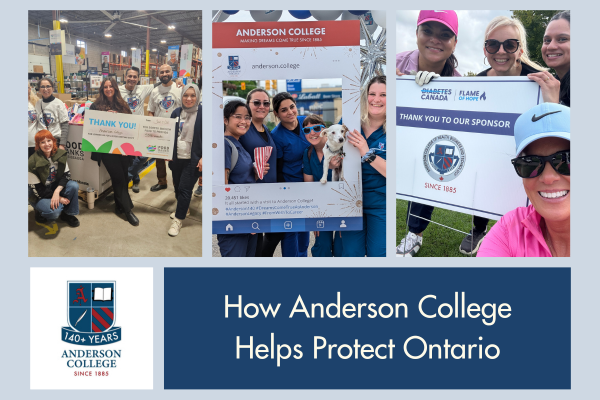
Stronger Communities, Brighter Futures: How Anderson College Helps Protect Ontario
Supporting communities is at the heart of Anderson College’s mission, and it has been for […] …
Read article
The Importance of Medical Office Administrator: The Backbone of Healthcare
Healthcare in Canada is increasingly complex. Patient volumes are rising. Documentation requirements are expanding. Digital […] …
Read article