
4 Facts About Sports Injuries for Physiotherapist Assistant Students
By Jennifer Maki · Communications Specialist
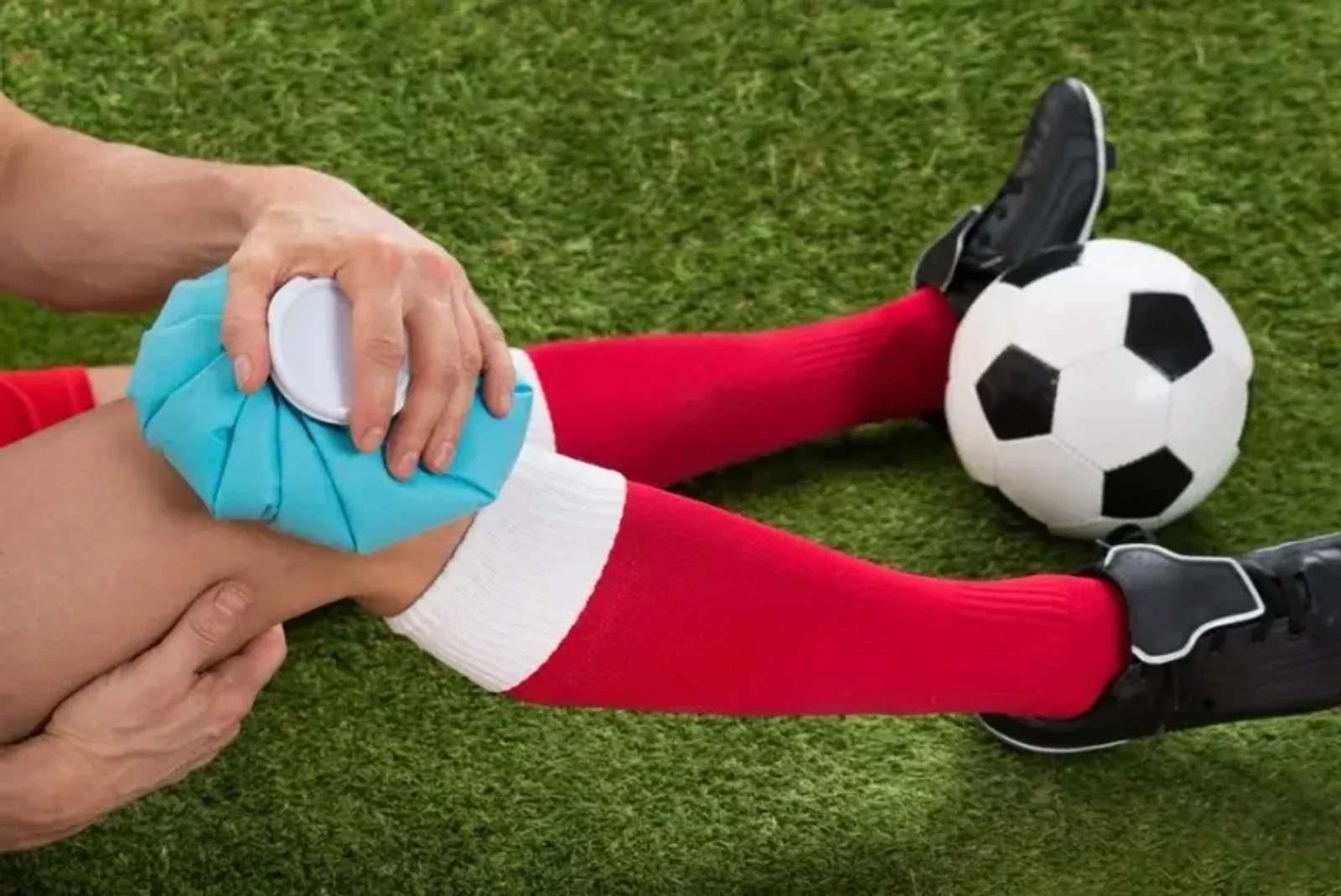
Physiotherapist assistants play a crucial role working alongside licensed physiotherapists as they help treat patients suffering from injuries. There are many career paths you can take as a physiotherapist assistant. Whether you prefer to work in a hospital, physiotherapy clinic, long-term care facility, or sports medicine clinic, you are sure to have a rewarding career.
If you’re interested in the area of sports medicine, you should consider working in a fitness club or sports medicine clinic after successful completion of your training. Check out these four facts about sports injuries you may discover when pursuing this exciting career path!
1. Sprains and Knee Injuries Are Often Seen After Physiotherapist Assistant Training
During your extensive physiotherapist assistant training that combines theory with practical knowledge, you will spend one hundred hours learning about rehabilitation techniques. You may go on to use these techniques to treat common sports injuries.
The first most common type of sports related injury is sprains. A sprain is when a patient twists or contorts a ligament causing pain, but luckily no dislocation. The second most common category of sports injury is knee injuries, which could include knee dislocation or muscle tears. The remaining most common forms of sports injuries include bone fractures, dislocations, and swollen muscles.
2. Acute or Chronic Are the Types of Injuries Seen After Physiotherapist Assistant Training
All sports injuries should be taken seriously, whether they are acute or chronic. Acute injuries occur suddenly while a patient is participating in sports or physical exercise. Symptoms of acute injuries could include limb weakness, swelling, and sudden severe pain. This could happen if a patient lands the wrong way after kicking a ball or overextends their arm while throwing.
As you may learn during your physiotherapist assistant diploma classes about anatomy and kinesiology, chronic injuries occur over a long period of time. Symptoms of chronic pain you should watch for are swelling, a dull ache in the patient’s body even when they aren’t playing sports, and pain while they are being physically active. Chronic injuries occur over time from overuse of a body part, and often go ignored by a patient because the pain is not severe. However, it is important to educate your future patients so they know that chronic injury can cause serious problems if left untreated.
3. The RICE Method Is Commonly Recommended By Physiotherapists
After a patient suffers from an injury, often the best first step is to start using the RICE method. It is important to note, though, that if a patient’s symptoms get worse or the pain becomes unbearable they should seek medical help immediately. If the sports injury causes mild to moderate aggravation, the RICE method can be used to speed up the healing process, reduce swelling, and minimize pain.
RICE stands for Rest, Ice, Compression, and Elevation. The first step is rest, which entails stopping the physical activity in order to not cause any further injury. The next step, ice, calls for applying ice to the injured area for 20-minute intervals about four to eight times a day. Compression is the next step. This is when your patient should apply even and moderate pressure to the injured area to prevent swelling. The final step is keeping the injury elevated to further reduce swelling.
4. Physiotherapist Assistants May Know Injuries Are Most Common In Youth
Not very surprisingly, young people and adolescents suffer the most from sports-related injuries. According to Statistics Canada, two out of three (66 percent) of all injuries among adolescents are related to sports. The most common demographic to suffer from these statistics is boys and young men. In total, sports or a form of exercise causes 35 percent of all injuries in Canada.
The most common causes of sport-related injuries are falls or overexertion. In fact, half of sports injuries in young people were caused by falls. As a result, you may help treat many adolescents if you choose to work in sports medicine once you become a physiotherapy assistant.
Are you interested in learning how to become a physiotherapist assistant?
Contact an advisor at Anderson College today to get started!
Found this useful? Share it with a friend who's exploring their next career step.
Frequently asked questions
Quick answers about applying, funding, and life at Anderson College.
How long does it take to complete a program at Anderson College?
What financial aid options are available?
Are international students welcome?
How do I apply?
Does Anderson College offer job placement support?
Still have a question? Speak with an Admissions Advisor →
More from the blog

5 Things to Consider Before Enrolling in an Early Childcare Assistant Program
Choosing a career in early learning and childcare means stepping into a role that supports […] …
Read article
Stronger Communities, Brighter Futures: How Anderson College Helps Protect Ontario
Supporting communities is at the heart of Anderson College’s mission, and it has been for […] …
Read article
How Specialized Training Shaped Shahrzad’s Path as a Personal Support Worker
Each year, in the spirit of celebrating the diverse and powerful experiences of our students, […] …
Read article