
Quick Guide to a Career in Sports Physiotherapy
By Jennifer Maki · Communications Specialist
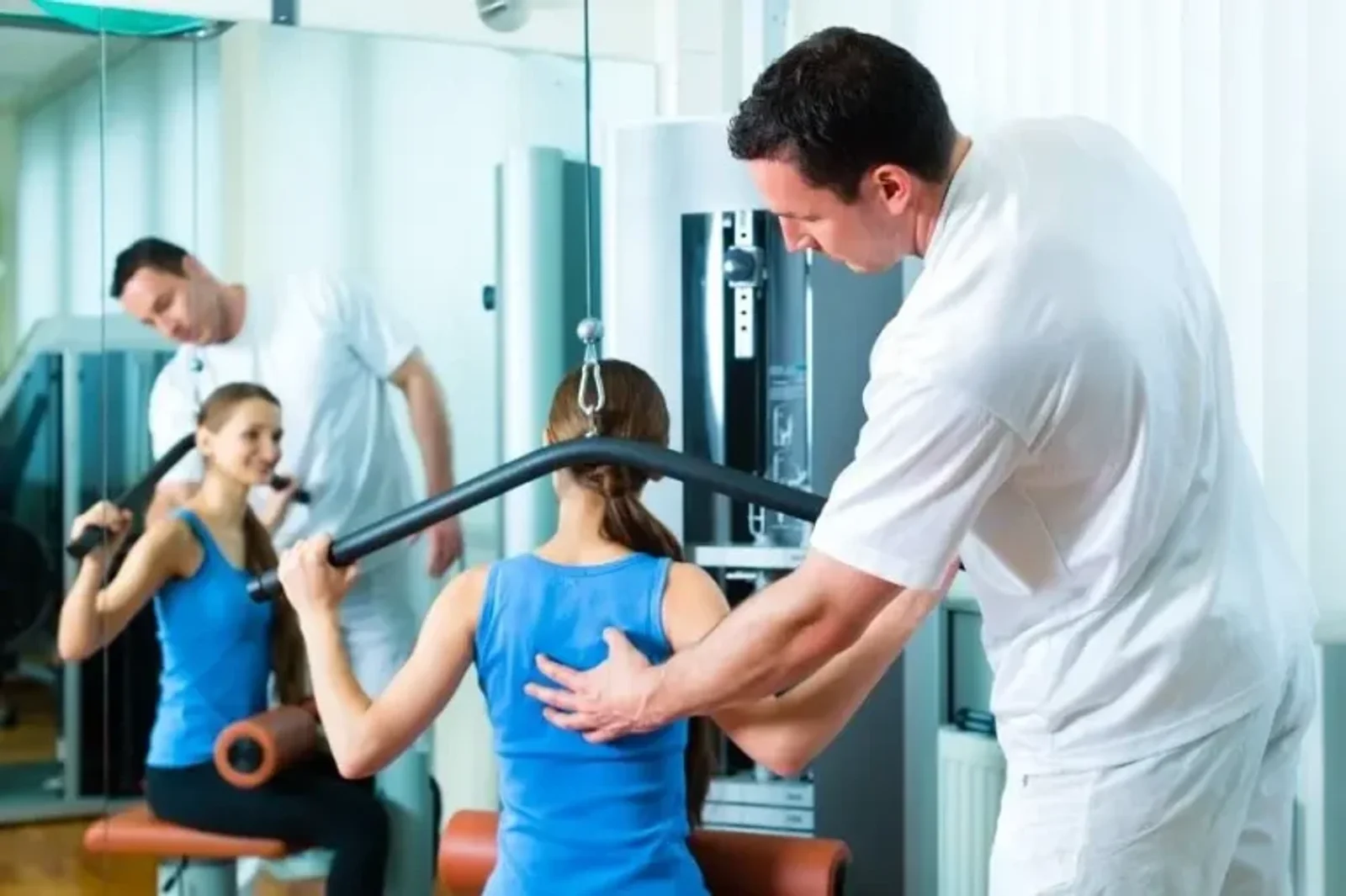
Sports have always provided audiences with entertaining spectacle, and the invention of mass media and high-profile sponsorship has made athletes into global superstars.
The increasingly competitive nature of sports today means that athletes are pushing themselves harder than ever before. As a testament to this, there were two dozen sports world records broken in just 2014 alone! Sport and exercise medicine (SEM) doctors ensure that competitors can perform at their best, and also treat athletes who have suffered injuries while aiming for a new title or big win. Because sports injuries require closely monitored rehabilitation, sports medicine clinics have resident physiotherapists and aides who have completed physiotherapist assistant training.
Sports Physiotherapy
Physiotherapists have an extensive understanding of human movement (kinesiology) and the bodily impact of an injury. In sports physiotherapy, there are usually several steps that are taken to rehabilitate the patient so that they can return to physical activity. These steps include acute care, which involves directly treating the injury, and rehabilitation, which is managing the injury so that the athlete can continue to perform. A major step after the rehabilitation process is to educate the athlete in the management of their injury and how future injuries can be prevented. Some of the most common sports injuries include:
- Ankle sprain (common with runners)
- Shin splints (common with runners)
- Groin pull (common with soccer players)
- Hamstring pull
- Tennis elbow
- ACL tear (knee injury)
Physiotherapy Treatments
When the injury doesn’t have swelling, a physiotherapist may apply a hot pack to relieve muscle or joint stiffness. Acupuncture may be used as a treatment for injuries accompanied by severe pain. With the aid of a physiotherapist assistant, a physiotherapist uses needles that stimulate the brain and spinal cord depending on where they’re placed, releasing natural pain-relieving chemicals such as endorphins.
A sports physiotherapist will often also assign a range of motion (ROM) exercises for the patient to complete with the help of a physiotherapist assistant. Range of motion exercises is taught in a wide range of healthcare courses, such as personal support worker training, as it is a simple but effective way to keep aggravated muscles from seizing and preserve the flexibility of joints. Active ROM exercises can be performed by the patient, whereas Passive ROM exercises are prescribed in cases where a patient cannot move the joints themselves due to extreme injury or paralysis. Graduates of personal support worker courses will often be skilled in Passive ROM exercises for elderly patients who have lost much of their mobility.
Another primary component of sports physiotherapy is massage, also called soft-tissue mobilization. Massage may be used by a physiotherapist to treat sore muscles, muscle spasms, decrease swelling and reduce pain. By increasing the supply of oxygen to the muscle tissue, toxins are released, aiding the recovery process.
Found this useful? Share it with a friend who's exploring their next career step.
Frequently asked questions
Quick answers about applying, funding, and life at Anderson College.
How long does it take to complete a program at Anderson College?
What financial aid options are available?
Are international students welcome?
How do I apply?
Does Anderson College offer job placement support?
Still have a question? Speak with an Admissions Advisor →
More from the blog

5 Things to Consider Before Enrolling in an Early Childcare Assistant Program
Choosing a career in early learning and childcare means stepping into a role that supports […] …
Read article
Stronger Communities, Brighter Futures: How Anderson College Helps Protect Ontario
Supporting communities is at the heart of Anderson College’s mission, and it has been for […] …
Read article
How Specialized Training Shaped Shahrzad’s Path as a Personal Support Worker
Each year, in the spirit of celebrating the diverse and powerful experiences of our students, […] …
Read article