
Four Fascinating Facts About Laser Skin Treatment for Medical Esthetics
By Jennifer Maki · Communications Specialist
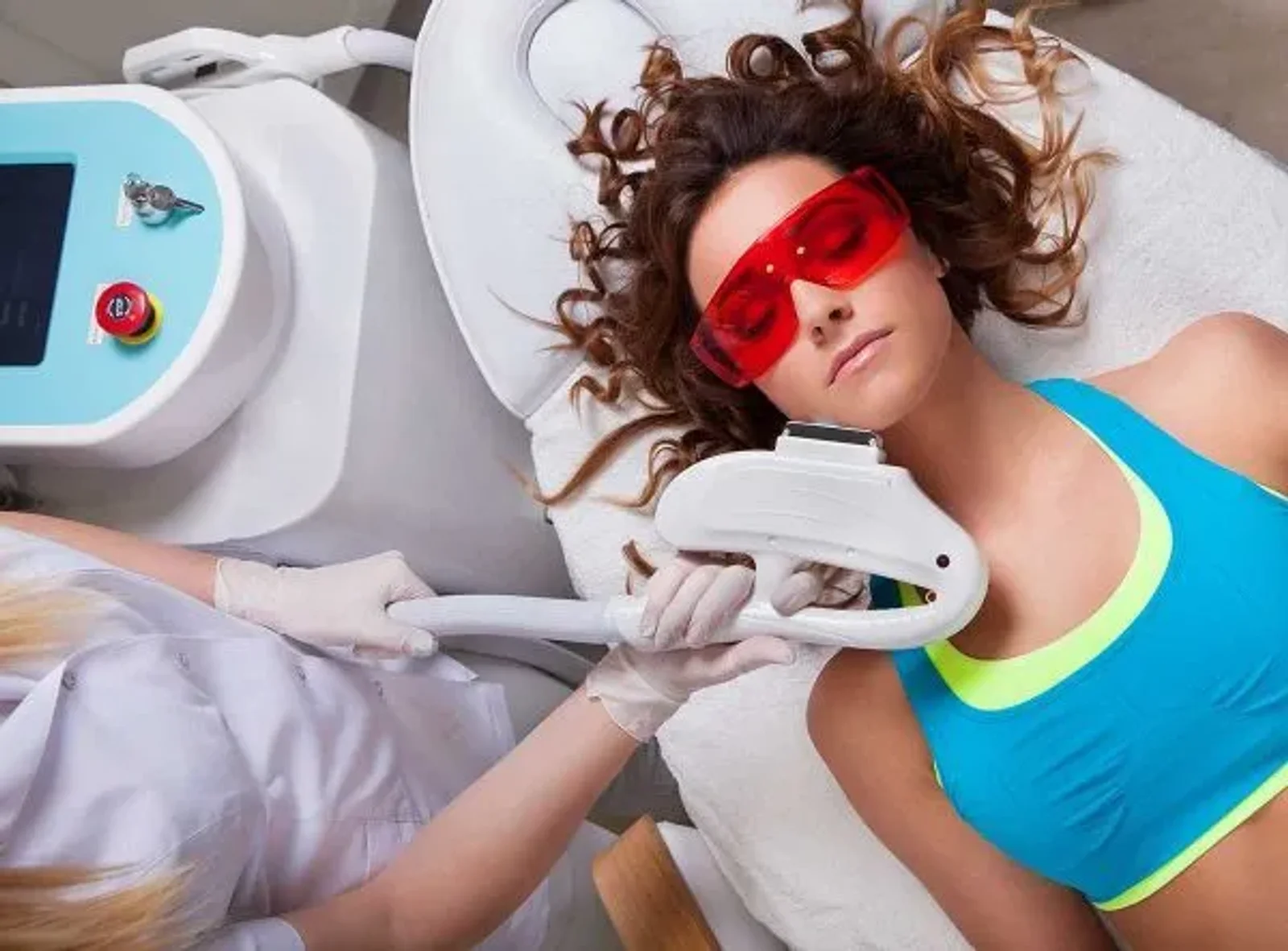
Advanced laser technology has transformed the beauty industry. Lasers have become an integral part of medical esthetics and are being used for a variety of skin treatments. They are considerably less expensive than plastic surgery, have minimal side effects, and yield good results.
If you’re considering a career in medical esthetics, then you need to know about laser technology. Here are four aspects you will learn about when you enroll in our Medical Esthetician diploma program.
Four Fascinating Facts About Laser Skin Treatment
1. What Types of Lasers Are Used in Laser Skin Treatment?
There are two main categories of lasers used in medical esthetics:
- Ablative lasers
- Non-ablative lasers
These are further divided into five common groups:
- Ablative fractionated lasers
- Ablative non-fractionated lasers
- Non-ablative fractionated lasers
- Non-ablative non-fractionated lasers
- Radiofrequency technologies
Each type of laser skin care treatment is chosen based on the skin concern, treatment depth, and desired recovery time. Learning how and when to use each type is a key part of professional laser skin treatment training.
2. How Does Laser Skin Treatment Work?
The word L-A-S-E-R stands for Light Amplification by Stimulated Emission of Radiation.
In simple terms, lasers use focused light energy to produce heat that targets very specific areas of the skin. A laser beam is monochromatic, meaning it uses a single wavelength (or colour of light) that matches the skin concern being treated.
This precision allows practitioners to treat targeted areas while minimizing damage to surrounding tissue one of the reasons face skin laser treatments are so popular today.
3. What’s the Difference Between Laser Skin Treatments?
The main difference between lasers is their wavelength. Different wavelengths are used to treat different skin concerns such as:
- Brown spots
- Rosacea
- Hyperpigmentation
- Vascular issues
Another major difference is ablative vs. non-ablative laser skin treatments:
- Ablative lasers work on the skin’s surface (epidermis), removing damaged layers to stimulate collagen production.
- Non-ablative lasers work beneath the surface (dermis), leaving the top layer intact with minimal downtime.
Radiofrequency treatments work similarly by stimulating collagen, but they use radio waves instead of light.
Take the “Medical Professional Career Discovery Quiz”
4. What Are the Most Common Types of Laser Skin Treatments?
The choice of laser really depends on the treatment, and because technology is constantly evolving, the types of lasers used for a given procedure change over time. Here are some of the most common skin treatments currently performed and the types of lasers used for each of them:
- Hair Removal: The lasers used for this treatment range from long-pulse ruby, alexandrite, diode, and Nd: YAG lasers to IPL, which is not a laser but also uses intense pulsed light to destroy hair follicles. Lasers have become a popular choice for permanent hair removal because there are many options for different skin tones and hair textures. IPL is also gaining in popularity because it’s cheaper, suits a wider range of skin types, and can treat large areas at a time. All options cause minimal side effects and offer permanent results.
- Skin Resurfacing: also known as laser peel or laser vaporization, is a facial rejuvenation procedure that uses lasers to improve the appearance of wrinkles or treat facial flaws like acne scars and other skin blemishes. It’s relatively new and uses ablative lasers like carbon dioxide (CO2) or the erbium when top skin layers need to be removed. Skin resurfacing can also be achieved with non-ablative lasers and IPL to improve the skin tone and texture without wounding the skin. Again, it depends on many factors and what is being treated, and sometimes a combination of lasers is required.
- Tattoo Removal: Laser technology has always been used to remove tattoos but was more successful with simpler black or blue ink tattoos. Recently, lasers like the Alexandrite, Nd:YAG, and the giant pulse Q-Switched laser have been used together to cover the entire spectrum of colours. The heat generated from the laser beam breaks down all the ink from the tattoo and transforms it into small particles that are absorbed by the immune system.
- Pigmented and Vascular Lesions: The most common treatments for pigmented lesions such as sun spots, age spots, melasma, and other forms of hyperpigmentation are Nd:YAG and fractional (Fraxel) lasers, along with IPL treatments. These types of lasers are also used to treat vascular lesions like broken blood vessels on the face, spider veins on the legs, and certain birthmarks because they are minimally invasive.
Why Laser Technology Matters in Medical Esthetics
Laser treatments have become an important aspect of skin care, and medical esthetics is an exciting field to work in because it is linked to medical and technology innovation and is constantly evolving. Did we spark your interest?
Click on the Medical Esthetician section of our website for complete information about the diploma program or Contact Us for questions or information about registration.
Frequently Asked Questions (FAQs)
1. What is laser skin treatment?
Laser skin treatment uses focused light energy to target skin concerns such as hair removal, pigmentation, wrinkles, and scars.
2. Are laser skin treatments safe?
When performed by trained professionals, laser treatments are considered safe and effective with minimal downtime.
3. What is the difference between ablative and non-ablative lasers?
Ablative lasers remove surface skin layers, while non-ablative lasers work beneath the skin without damaging the surface.
4. Do medical estheticians learn laser treatments in school?
Yes. A medical esthetician diploma program teaches laser theory, safety, and treatment applications.
5. Is laser skin treatment part of a medical esthetician career?
Yes. Laser technology is a major component of many medical spa and clinical esthetics roles.
Found this useful? Share it with a friend who's exploring their next career step.
Frequently asked questions
Quick answers about applying, funding, and life at Anderson College.
How long does it take to complete a program at Anderson College?
What financial aid options are available?
Are international students welcome?
How do I apply?
Does Anderson College offer job placement support?
Still have a question? Speak with an Admissions Advisor →
More from the blog
Top Medical Esthetician Skills to Excel in the Industry
The medical esthetics industry continues to grow as more people seek non-invasive treatments that support […] …
Read article
5 Things to Consider Before Enrolling in an Early Childcare Assistant Program
Choosing a career in early learning and childcare means stepping into a role that supports […] …
Read article
Stronger Communities, Brighter Futures: How Anderson College Helps Protect Ontario
Supporting communities is at the heart of Anderson College’s mission, and it has been for […] …
Read article