
Top 6 Most Common Physiotherapy Treatments You Should Know
By Jennifer Maki · Communications Specialist
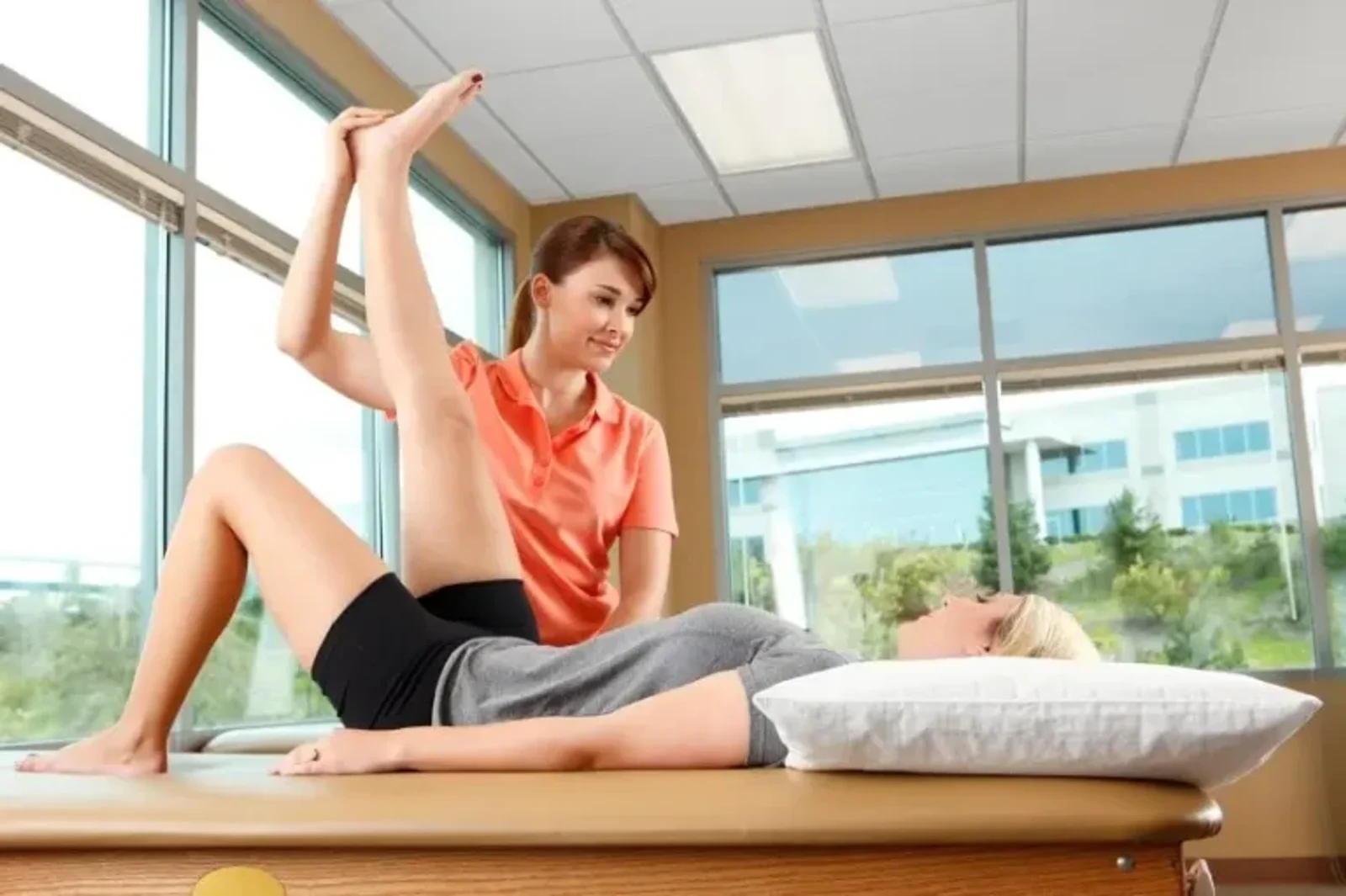
If you’ve ever been in a car accident or suffered from a sports injury, you may have received physiotherapy to aid in the healing process. Physiotherapy is also applied to patients with amputations, arthritis, strains (especially in the spine), or who have had any sort of medical operation. Physiotherapy helps make movement and everyday living easier for a patient through a series of treatments that are tailored to each patient’s needs. If you’re thinking of becoming a physiotherapist assistant, here are some of the most common treatments you’ll discover in your physiotherapist assistant courses, and the benefits associated with each technique.
Range of Motion (ROM) Exercises
Although rest is often prescribed during preliminary stages of recovery from broken bones or surgery, extended periods of immobility may prolong or thwart the healing process. For this reason, physiotherapists often prescribe a range of motion exercises to promote movement, encourage joint mobility and facilitate circulation. Frequently moving the affected joints and muscles will prevent muscle atrophy and related postural problems. ROM exercises are used by a range of healthcare practitioners – for example, students learn a range of motion techniques in personal support worker training to help patients with restricted mobility improve their flexibility and maintain their independence.
Soft Tissue Mobilization
Also referred to as therapeutic massage, soft tissue mobilization can help relax a patient’s muscles and reduce swelling in certain areas, making this treatment excellent for relieving pain associated with athletic injuries. Soft tissue massage also helps circulate blood and lymph flow, and reduce tissue swelling around the inflamed joints.
Electrotherapy
Electrotherapy is a more recent evolution of energy-based physiotherapy techniques. In this form of treatment, electrical stimulation is provided by attaching electrodes to the skin. The electrodes cause the muscles to shorten, which in turn helps prevent atrophy—best used in patients with paralysis or severely reduced range of motion. Electrotherapy may also be used in conjunction with laser and ultrasound therapy.
Cryotherapy and Heat Therapy
Sore, stiff muscles are a common complaint of both people with desk jobs and professional athletes. If a patient complains of muscle tightness anywhere on their body, it may be beneficial to apply heat or cold to the aggravated areas. Heat therapy includes the application of hot packs or even paraffin wax. Cryotherapy may involve an ice pack application or an ice massage.
Kinesio Taping
Anyone studying to become a physiotherapist assistant is probably familiar with the colourful, neon tape that is sometimes used on patients. Kinesio tape can be applied straight to the skin and is a great way to stabilize the joints and muscles while the patient undergoes treatment. Additionally, the flexibility of the tape means that it doesn’t interfere with range of motion exercises, making it a perfect tool to use when stretching and flexing muscles.
Therapeutic Ultrasound
While ultrasound isn’t normally associated with physiotherapy, in recent years, doctors have been able to utilize sound waves to treat injuries in the body. Ultrasound frequency provides a gentle method for targeting damaged tissue with soft beams. Like a mini massage, the sound waves of the ultrasound stimulate and are absorbed by the ligaments, tendons, and fascia. This treatment can be used for patients suffering from arthritis, tendonitis and muscle strain.
Do you know of any other new physiotherapy treatments?
Found this useful? Share it with a friend who's exploring their next career step.
Frequently asked questions
Quick answers about applying, funding, and life at Anderson College.
How long does it take to complete a program at Anderson College?
What financial aid options are available?
Are international students welcome?
How do I apply?
Does Anderson College offer job placement support?
Still have a question? Speak with an Admissions Advisor →
More from the blog

5 Things to Consider Before Enrolling in an Early Childcare Assistant Program
Choosing a career in early learning and childcare means stepping into a role that supports […] …
Read article
Stronger Communities, Brighter Futures: How Anderson College Helps Protect Ontario
Supporting communities is at the heart of Anderson College’s mission, and it has been for […] …
Read article
How Specialized Training Shaped Shahrzad’s Path as a Personal Support Worker
Each year, in the spirit of celebrating the diverse and powerful experiences of our students, […] …
Read article