
Top Trends in Preventative Dentistry Students Should Know
By Jennifer Maki · Communications Specialist
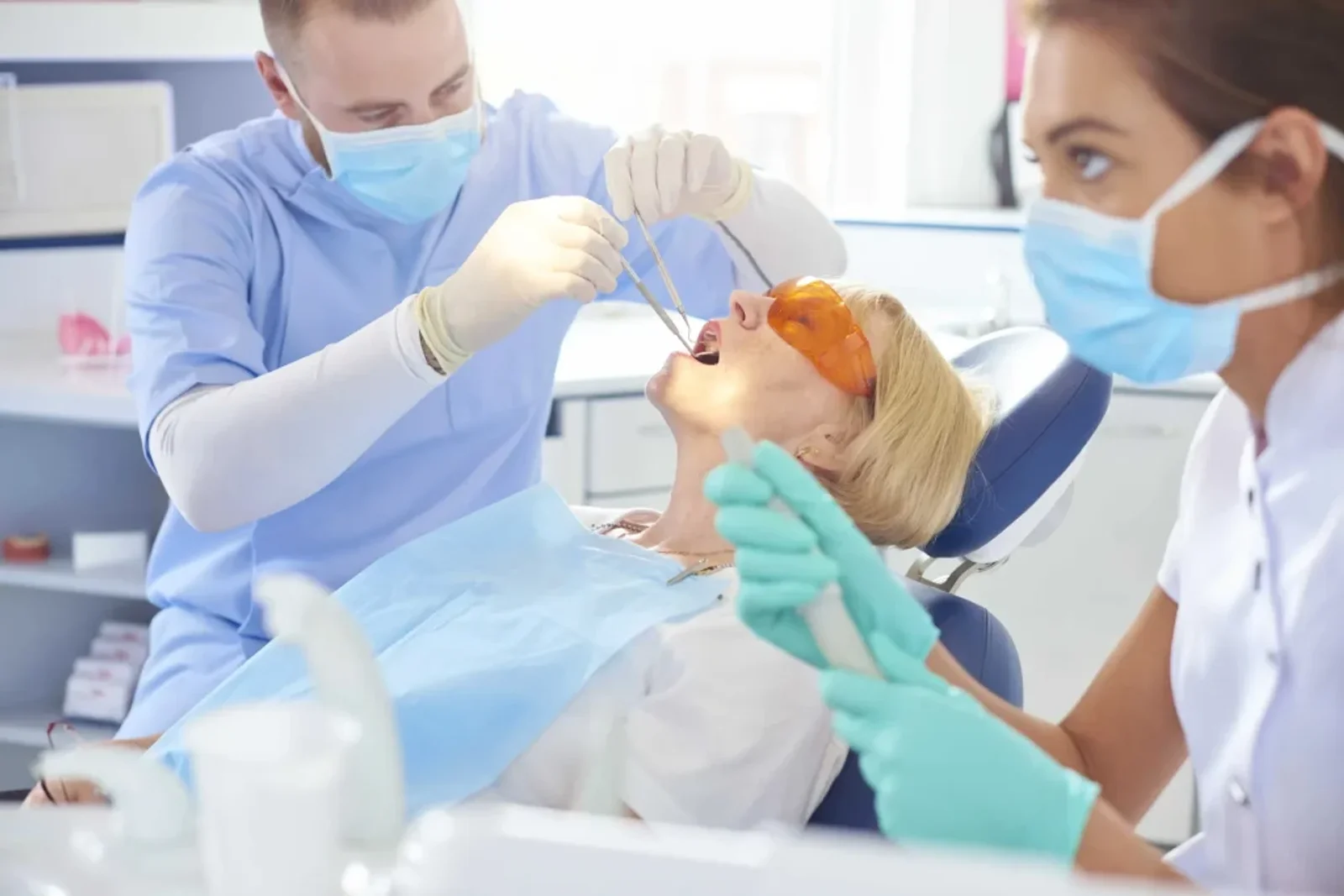
What Is Preventative Dentistry and Why Does It Matter?
Today, preventative dentistry is evolving quickly to help prevent cavities before they start. Let’s explore the latest innovations shaping this field.
What Does Preventative Dentistry Focus On?
A key component of any preventative program is the ability to assess a person’s risk of developing a disease.
In the case of Dental caries (tooth decay or cavities), we are now able to establish a risk profile on several levels, such as:
- an individual’s community,
- the individual’s behaviour, or
- certain tooth and tooth surfaces.
This expanded approach helps dental professionals better manage patients from a preventative perspective. By understanding patients’ susceptibility to disease, better treatment and preventive dental treatment regimens can be offered.
How Has Preventative Dentistry Evolved Over Time?
At the start of the 1980s, there was a limited scientific consensus on what constituted the disease process called dental caries and no real understanding of the bacterial biofilm that initiates the disease. Some even doubted that dental professionals or graduates of dental assistant schools would ever embrace a preventative treatment for adult tooth decay! Today, preventative dentistry is a dynamic and exciting field constantly innovating to help you avoid cavities. Here are some of the most exciting new trends in this field.
What Are the Current Trends in Preventative Dentistry?
Fluoride for the 21st Century
Whether you’ve noticed or not, the common toothpaste has evolved at an amazing pace these last 20 years and will continue to do so, subtly becoming more complex and efficient.
Water fluoride toothpaste and rinses are proven to reduce the prevalence of dental cavities, and there is no credible evidence that water fluoridation is associated with any adverse health effects.
What we’re starting to see on the market is slow-release fluoride devices, allowing slowly dissolving fluoride beads to attach themselves to molar teeth using an acid-etch composite.
Sealants
Although sealant use is strongly advocated by several oral healthcare agencies, sealant application is still an emerging sector of preventative dentistry. Among the general public or even students from a dental assistant program, the benefits of sealants for disease prevention appear to be misunderstood. Misconceptions exist that sealants will seal in existing decay, or that they are easily lost. This goes against numerous studies that have shown that sealants effectiveness and retention has greatly improved over the past 20 years and that caries does not progress when sealants are applied to a tooth that shows lesions.
Genetic Analysis
Dental cavities can be caused by many factors, such as the individual, his or her environment, habits, etc. Through genetic analysis, it’s possible, at least, to establish a risk profile of the individual, determining whether or not he or she is naturally at risk. Genetic analysis is still slowly being rolled out on the market but will start to become more popular and widespread in its use as the core of the population ages, increasing the need for preventative dentistry.
Microscopic identification
As microscopes become more flexible, powerful and efficient, it’s now possible to detect an area at risk that would have looked healthy before. To eliminate the bacteria, dental professionals with dental assistant training rely on advanced, local antimicrobial delivery systems that are precise and sophisticated.
Why Does This Matter for Students?
Learning these trends helps future dental professionals stay ahead in the field, understand preventive care dentistry, and support patients better.
Students in our Dental Assistant Program learn about these methods, preparing them to work confidently in modern dental offices.
FAQs About Preventative Dentistry
Q1. What is preventative dentistry?
It’s the practice of maintaining healthy teeth and gums to prevent issues like cavities, gum disease, and enamel wear.
Q2. Are sealants safe and effective?
Yes. Modern sealants are durable, safe, and proven to stop early decay from progressing.
Q3. How does fluoride prevent cavities?
Fluoride strengthens tooth enamel, making it more resistant to acid attacks from bacteria and sugars in the mouth.
Q4. Can genetics affect my dental health?
Yes. Genetics can influence enamel strength and bacteria levels, helping dentists create personalized prevention plans.
Q5. What role do dental assistants play in preventative dentistry?
Dental assistants help apply fluoride, prepare sealants, educate patients, and support preventive dental treatment plans.
Found this useful? Share it with a friend who's exploring their next career step.
Frequently asked questions
Quick answers about applying, funding, and life at Anderson College.
How long does it take to complete a program at Anderson College?
What financial aid options are available?
Are international students welcome?
How do I apply?
Does Anderson College offer job placement support?
Still have a question? Speak with an Admissions Advisor →
More from the blog

5 Things to Consider Before Enrolling in an Early Childcare Assistant Program
Choosing a career in early learning and childcare means stepping into a role that supports […] …
Read article
Stronger Communities, Brighter Futures: How Anderson College Helps Protect Ontario
Supporting communities is at the heart of Anderson College’s mission, and it has been for […] …
Read article
From Skills Gap to Certification Ready: Bruce’s Dental Assistant Program Journey
Bruce’s journey toward certification began with experience, clarity, and a deep understanding of what he […] …
Read article