
Tooth-Saving Tips for the Physically Fit During Dental Assistant Training
By Jennifer Maki · Communications Specialist
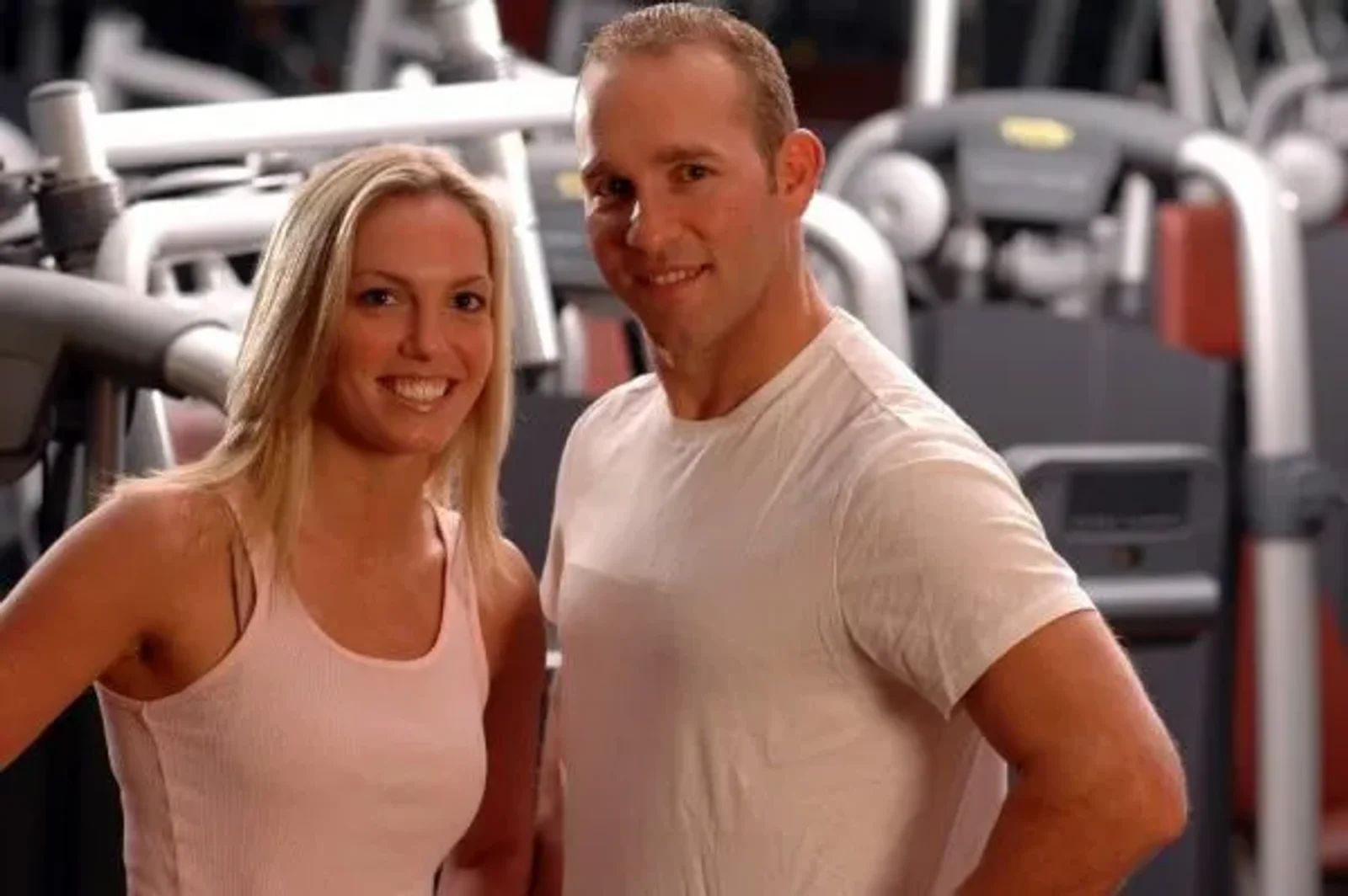
Regular exercise is generally great for you – it controls weight, helps prevent disease, improves your mood, and is a real energy booster. But, did you know that exercise could be bad for your teeth? Studies have shown that there is a correlation between athletic activity and poor oral health – and there are several reasons for this link! Continue reading to find out how you can maintain both the health of your body and your teeth.
A Rising Trend amongst Athletes
Though professional athletes spend a lot of time training and working on their physique (to boost their performance in competitions), they are seriously lacking where good oral health is concerned. An interesting survey at the London 2012 Olympic Games showed that 18% of athletes felt that their poor oral health harmed their performance – and, a shocking 46% of the athletes had gone an entire year without seeing their dentist.
Harmful Habits
Though there is no solid evidence that pinpoints the exact cause of this pattern among athletes, they do embrace certain habits that play a part in poor dental health. Some of these include the high intake of carbohydrates – which tend to linger on teeth and can cause decay – as well as constant dehydration. Anyone who has had dental assistant training can tell you that saliva protects your teeth from decay – so it’s easy to see how athletes (who are dehydrated regularly) are prone to poor oral health.
Sports Drinks: High in Energy and Sugar
Sports drinks are great for providing that thirst-quenching boost of energy you need to get through an athletic test of endurance. However, as students in dental assistant school know, these drinks are also extremely high in sugar, which makes them great at something else: tooth decay. While not consuming energy drinks altogether is probably an unrealistic solution for an athlete (who needs a lot of energy), opting for water instead can give teeth a much-needed break. You might also try using a toothpaste that is high in fluoride, and of course, brushing more often!
The Trouble with “Swimmer’s Tooth”
Some swimmers might notice that after spending a lot of time in a pool (likely filled with a wide range of chemicals) their teeth may start to discolour or stain. “Swimmers’ Calculus” refers to the reaction between the chemicals in pool water and the proteins that are found in saliva. If you swim regularly, you’ll notice that your teeth may turn slightly brown after being exposed to over six hours of chlorinated water. Of course, there is a way to keep your teeth white and continue swimming – you can try visiting your dentist at least three times a year for cleanings (or, perhaps befriend someone who has graduated from dental school).
Save a Tooth, Wear a Mouthguard
Depending on your athletic activity of preference, there is sometimes a possibility of getting hit in the face with a flying object (ball, racket, birdie, etc.). So, you’ll have to find ways of taking care of those pearly whites! How? Well, simply ducking when a ball is headed towards your face is one way – however, you might not always “have your eye on the ball” so to speak, so it’s best to play it safe by wearing a mouthguard when you partake in any sport.
How do you keep your teeth in top shape when exercising?
Frequently Asked Questions (FAQs)
Q1. Can exercising really damage your teeth?
Yes. Intense workouts can lead to dehydration, dry mouth, and acid exposure, all of which increase the risk of cavities.
Q2. What’s the best drink for oral health during workouts?
Water is the safest choice. If you need electrolytes, choose sugar-free sports drinks.
Q3. How often should athletes visit the dentist?
At least twice a year, though competitive athletes may benefit from 3–4 visits annually.
Q4. Are custom mouthguards worth it?
Absolutely. They fit better, protect more effectively, and last longer than over-the-counter versions.
Q5. What toothpaste should athletes use?
A fluoride-rich toothpaste helps restore minerals and strengthen enamel after acid exposure.
Found this useful? Share it with a friend who's exploring their next career step.
Frequently asked questions
Quick answers about applying, funding, and life at Anderson College.
How long does it take to complete a program at Anderson College?
What financial aid options are available?
Are international students welcome?
How do I apply?
Does Anderson College offer job placement support?
Still have a question? Speak with an Admissions Advisor →
More from the blog

5 Things to Consider Before Enrolling in an Early Childcare Assistant Program
Choosing a career in early learning and childcare means stepping into a role that supports […] …
Read article
Stronger Communities, Brighter Futures: How Anderson College Helps Protect Ontario
Supporting communities is at the heart of Anderson College’s mission, and it has been for […] …
Read article
From Skills Gap to Certification Ready: Bruce’s Dental Assistant Program Journey
Bruce’s journey toward certification began with experience, clarity, and a deep understanding of what he […] …
Read article