
The Pros and Cons of Mouthwash: What to Know For Dental Assistant
By Jennifer Maki · Communications Specialist
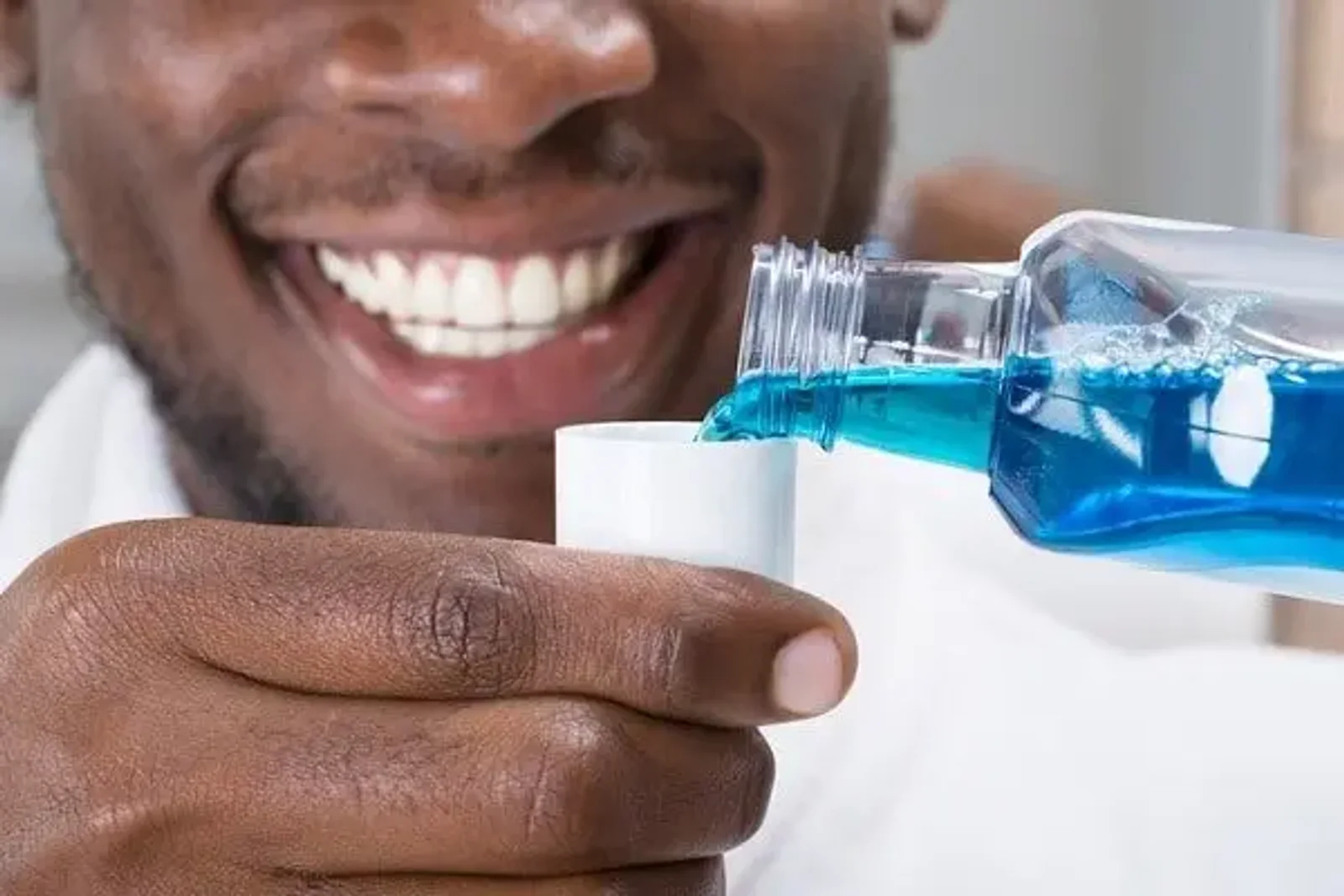
What Are the Pros and Cons of Mouthwash?
The various myths surrounding mouthwash products abound. Take, for example, the rumour that it can serve as a replacement for brushing, or that it’s safe to swallow. Dental professionals are quick to dispel these false claims, pointing out the importance of continued brushing and flossing as part of routine oral care and hygiene.
However, there are still important pros and cons of mouthwash to consider. Mouthwash can be beneficial, but it can also contribute to side effects like staining, sensitivity, or dry mouth.
Are you looking to start a career as a dental assistant and want to put some of the most common mouthwash claims to bed? Read on to learn more about the pros and cons of mouthwash products!
Benefits of Mouthwash: Can It Prevent Cavities?
One of the biggest mistakes patients will make is to treat mouthwash as an all-purpose dental cleaner. What they don’t know is that mouthwash does little to fight plaque and tartar buildup on its own. Instead, mouthwash and brushing should be done together, which can help to remove even more plaque and tartar, which helps to prevent cavities and gingivitis.
However, it’s important to note that only fluoride mouthwash products are capable of having this effect, whereas cosmetic mouthwash will only help to temporarily eliminate bad breath. Using fluoride mouthwash products alongside brushing with fluoride toothpaste may also better protect enamel and prevent future cavities from forming.
Grads of dental assistant school should also remind patients to continue flossing as well. While fluoride mouthwash can help eliminate harmful bacteria in the mouth, floss is a type of interdental cleaner designed to get deep into the gums and remove bacteria as well as tartar and plaque that brushing and mouthwash just can’t get. Only in conjunction with regular brushing and flossing can fluoride mouthwash be an effective tool for fighting tooth decay.
Professionals with Dental Assistant Training Know to Avoid Mouthwash with Alcohol
Some patients are often unaware of the harm that mouthwash products containing alcohol can cause. While it won’t be causing any serious oral health problems, mouthwash with a high amount of alcohol can often cause dry mouth. Dry mouth, in turn, prevents saliva from eliminating plaque acid and dead cells which then gather in a patient’s mouth and cause bad breath. What’s more, mouthwash can also begin to irritate the walls of the patient’s mouth, and even cause their teeth to become sensitive!
New professionals with dental assistant training should advise patients to try mouthwash without alcohol, of which there are plenty. While they may not be as successful in removing bacteria as other alcohol-containing mouthwash products, they do eliminate enough to have a positive impact on a patient’s oral health without causing any problems.
Mouthwash Won’t Save the Day When it Comes to Removing Stains
Dental assistants know the only sure-fire way to remove stains effectively from teeth is for patients to come into the office for a regular cleaning. However, there are those who think that mouthwash and whitening strips can have the same effect as a professional cleaning. Actually, mouthwash may even be partly responsible for staining a patient’s teeth in the first place.
Whenever a patient uses mouthwash, they run the risk of causing certain bacteria to stick to their enamel and discolour their teeth. Cationic Antiseptics, Polyvalent Metal Salts, and Phenolic Mouthwash may also contain ingredients, like chlorhexidine gluconate, that can contribute to turning teeth brown and yellow. Dental assistants can advise their patients to brush and floss while using mouthwash to help prevent this unfortunate side effect, and limit their use of mouthwash to once at night.
Start your exciting career in dentistry by getting a dental assistant diploma!
Contact Anderson College for details.
FAQs On Pros and Cons of Mouthwash
Q1. What are the main pros and cons of mouthwash?
Pros: fresher breath, cavity prevention (fluoride-based). Cons: possible dry mouth, staining, and sensitivity.
Q2. Is using mouthwash every day bad for you?
No, but overuse can lead to side effects. Once daily is usually enough, especially with fluoride or alcohol-free options.
Q3. What’s better mouthwash with alcohol or without?
Alcohol-free mouthwash is gentler and reduces side effects like dry mouth. Alcohol-based rinses kill more bacteria but can irritate.
Q4. Can mouthwash replace brushing and flossing?
No. Brushing and flossing remain essential for removing plaque and tartar. Mouthwash is only an add-on, not a replacement.
Q5. Does mouthwash help with teeth stains?
No. Some rinses may even cause discolouration. Only professional cleaning can effectively remove stains.
Found this useful? Share it with a friend who's exploring their next career step.
Frequently asked questions
Quick answers about applying, funding, and life at Anderson College.
How long does it take to complete a program at Anderson College?
What financial aid options are available?
Are international students welcome?
How do I apply?
Does Anderson College offer job placement support?
Still have a question? Speak with an Admissions Advisor →
More from the blog

5 Things to Consider Before Enrolling in an Early Childcare Assistant Program
Choosing a career in early learning and childcare means stepping into a role that supports […] …
Read article
Stronger Communities, Brighter Futures: How Anderson College Helps Protect Ontario
Supporting communities is at the heart of Anderson College’s mission, and it has been for […] …
Read article
From Skills Gap to Certification Ready: Bruce’s Dental Assistant Program Journey
Bruce’s journey toward certification began with experience, clarity, and a deep understanding of what he […] …
Read article