
Gum Disease and Prevention Strategies for Dental Assistants
By Jennifer Maki · Communications Specialist
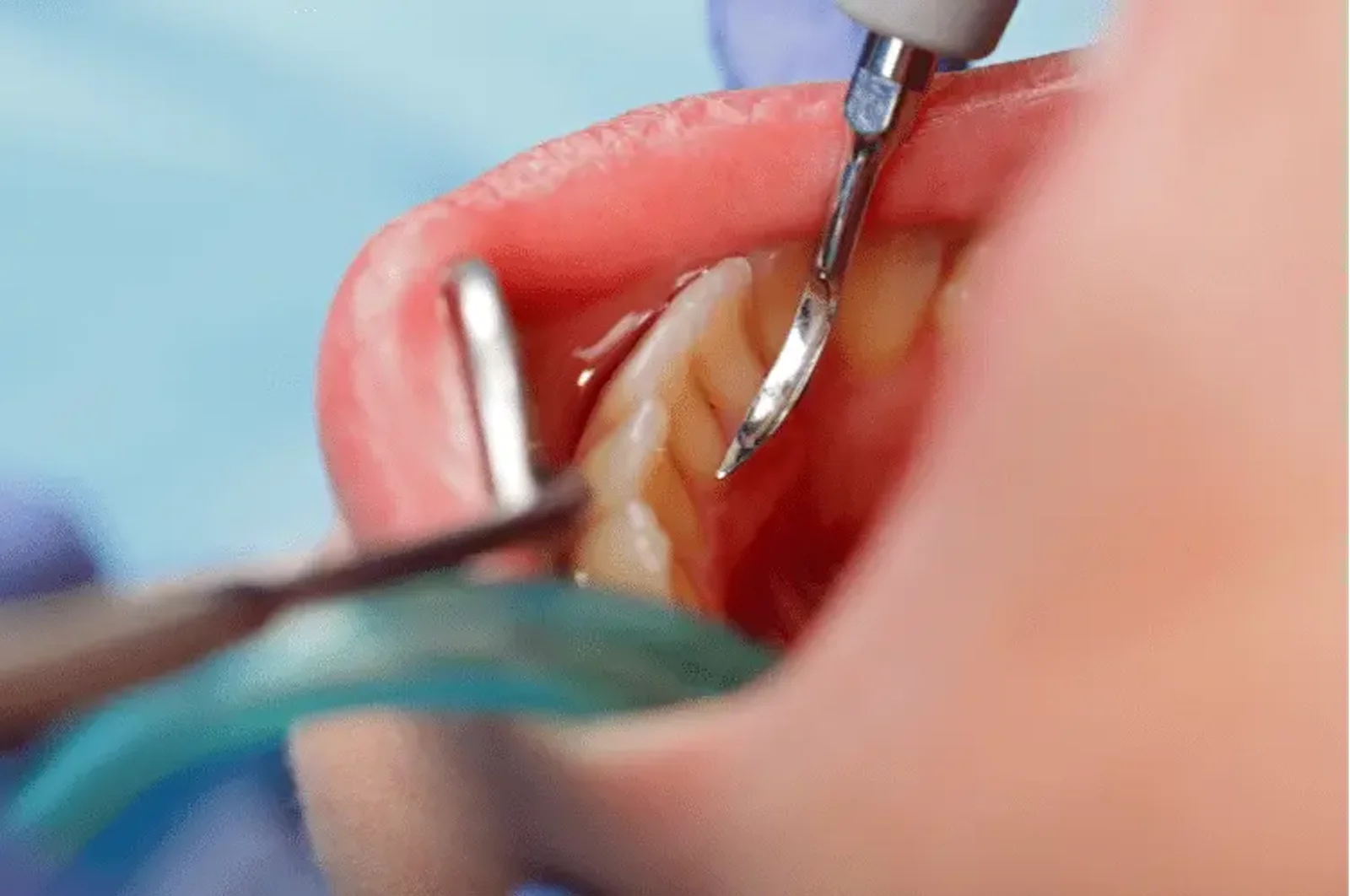
You’ve likely heard the term plaque the sticky film that forms when bacteria collect in the mouth. If left untreated, plaque releases acids that irritate gums, leading to swelling, bleeding, and gum disease such as gingivitis.
One of the early signs of gum disease is bleeding gums when brushing or flossing. If gingivitis is ignored, the gum tissue weakens, and teeth may eventually loosen or fall out.
For dental assistant students, understanding gum disease and its prevention is essential. You’ll support dentists in treating patients, provide education on how to prevent tooth decay and gum disease, and guide them with effective self-care routines.
What Are the Main Risk Factors for Gum Disease?
Certain lifestyle habits and health conditions increase the risk of gum disease and periodontal disease:
- Smoking – Irritates gums and fuels plaque buildup.
- Age – Older adults often face dry mouth due to medications, reducing saliva’s cleansing power.
- Diabetes – Higher sucrose in saliva makes plaque easier to form.
- Poor oral hygiene – Irregular brushing or flossing accelerates gum disease symptoms.
As a future dental assistant, recognizing these risks helps you identify at-risk patients and share gum disease prevention tips that fit their lifestyle.
How Do Dental Assistants Help Treat Gum Disease?
In dental assistant training, you’ll learn treatment methods for gingivitis and more advanced gum disease. Common procedures include:
- Scaling and root planing – Scraping tartar above/below the gum line and smoothing rough tooth surfaces.
- Laser therapy – Removes damaged tissue and kills bacteria.
- Surgery (severe cases) – Lifting gums to access hidden tartar deposits.
Dental assistants play an important role by:
- Preparing instruments and assisting with scaling procedures.
- Administering numbing medication under supervision.
- Supporting patients with gum disease self-care instructions for home recovery.
This knowledge ensures you provide safe, professional care alongside the dentist.
How Can You Prevent Gum Disease at Home?
There are several ways you can prevent gingivitis at home. To be noted, these are not just precautions for avoiding gingivitis, but routines you should be doing all the time to maintain good oral health:
- Brush twice a day
- Don’t smoke
- Use mouthwash after brushing
- Floss
- Get routine check-ups at your dentist’s office (once or twice a year)
FAQs on Gum Disease Prevention and Treatment
Q1. What are the first signs of gum disease?
Bleeding gums, persistent bad breath, swollen gums, and tenderness are early warning signs.
Q2. Can gum disease be cured?
Early stages like gingivitis are reversible with professional cleaning and good oral hygiene. Advanced periodontal disease can be managed but not fully reversed.
Q3. What’s the role of a dental assistant in gum disease treatment?
Dental assistants help with scaling, prepare tools, provide numbing medication, and educate patients on follow-up self-care.
Q4. How does gum disease affect overall health?
Untreated gum disease can increase risks for diabetes complications, heart disease, and infections.
Q5. What’s the best way to prevent gum disease at home?
Brush twice a day, floss daily, avoid smoking, use mouthwash, and get regular dental check-ups.
Found this useful? Share it with a friend who's exploring their next career step.
Frequently asked questions
Quick answers about applying, funding, and life at Anderson College.
How long does it take to complete a program at Anderson College?
What financial aid options are available?
Are international students welcome?
How do I apply?
Does Anderson College offer job placement support?
Still have a question? Speak with an Admissions Advisor →
More from the blog

5 Things to Consider Before Enrolling in an Early Childcare Assistant Program
Choosing a career in early learning and childcare means stepping into a role that supports […] …
Read article
Stronger Communities, Brighter Futures: How Anderson College Helps Protect Ontario
Supporting communities is at the heart of Anderson College’s mission, and it has been for […] …
Read article
From Skills Gap to Certification Ready: Bruce’s Dental Assistant Program Journey
Bruce’s journey toward certification began with experience, clarity, and a deep understanding of what he […] …
Read article