
A Quick Guide About Toothpaste for Dental Assistant Students
By Jennifer Maki · Communications Specialist
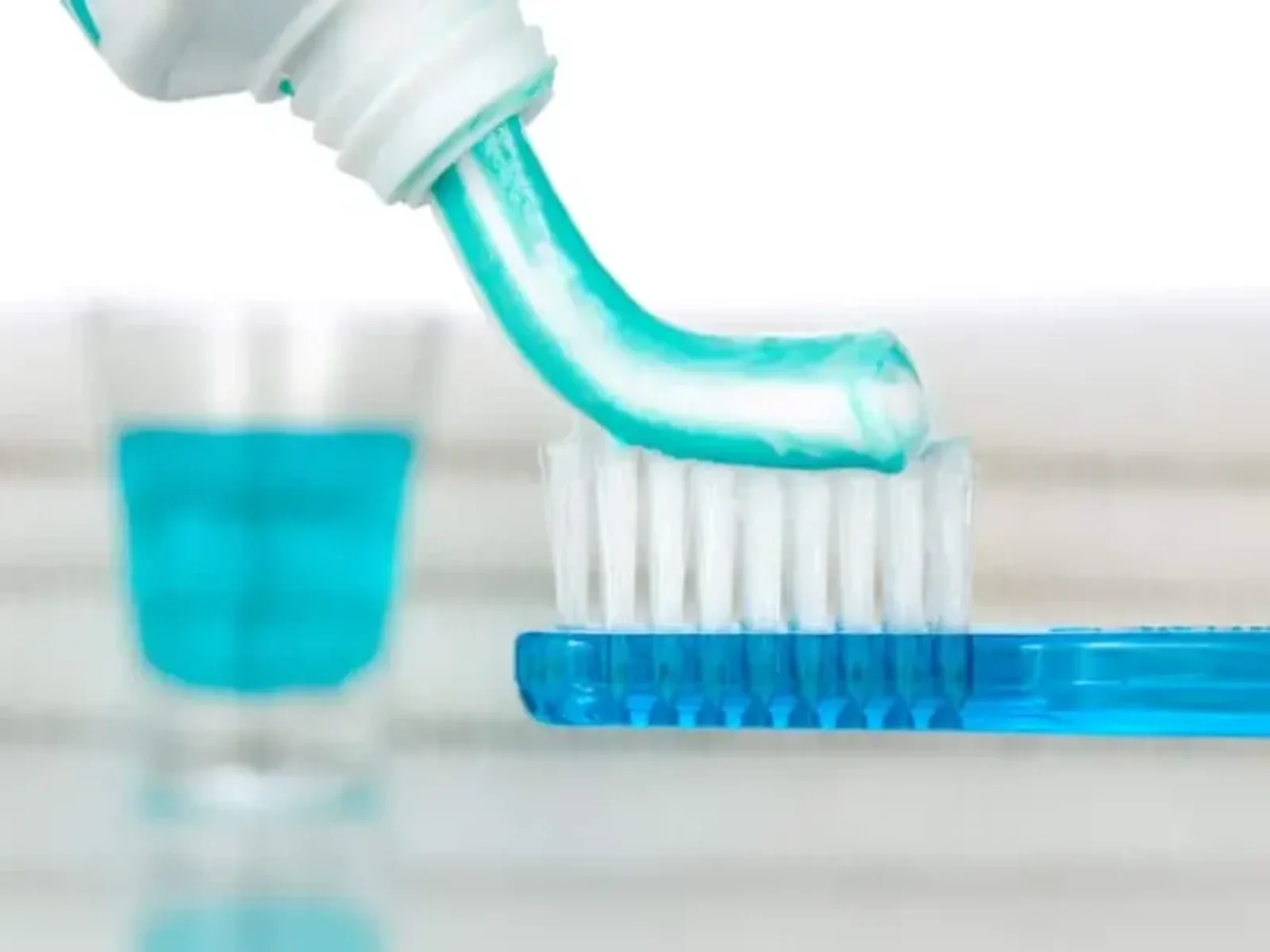
Most people brush their teeth at least twice a day (if not more) and they likely establish a routine, as well as certain preferences for performing the task. People will usually grow accustomed to using a specific type of toothbrush and a certain brand of toothpaste. And while toothpaste is not something that people will typically think too much about, it might surprise many to know exactly what their favourite brand contains!
If you are planning to pursue dental assistant training, you will learn that the average toothpaste contains a wide range of ingredients – and some of these might not be entirely healthy! Read on to find out what toothpaste is made of, and how it affects your pearly whites.
Fluorides
Students enrolled in dental assistant programs understand that, contrary to popular belief, fluoride does not clean your teeth – it’s used for strengthening and hardening the tooth enamel.
Abrasives
Most toothpaste brands contain abrasives. These are the ingredients responsible for actually cleaning the teeth. Some examples of abrasives include baking soda, calcium carbonate, and silica. Professionals in the industry know that toothpaste containing high levels of abrasives can do more harm than good since they can weaken the enamel.
Surfactants
Sodium lauryl sulfate (SLS) is the surfactant that is used in most toothpaste. It is a detergent that’s responsible for creating foam while brushing. Though it helps break down stains and dirt, it can also be quite tough on the teeth and can be the cause of canker sores.
Antibacterial agents
Individuals who have earned their dental school diploma recognize that subjecting the human body to too much triclosan – the antibacterial agent that’s most commonly used in toothpaste – can sometimes be harmful. However, studies have shown that there is too little of it in toothpaste to cause any real harm. And since triclosan is used to fight bacteria found in plaque, the teeth and gums benefit from this ingredient.
Sweeteners
Since some other ingredients may taste pretty awful, sweeteners – like stevia, xylitol or saccharin – are used to improve and balance the flavour of toothpaste. Experts in the field will normally recommend using products that contain xylitol because it also increases the flow of saliva and can even prevent tooth decay.
Coloring agents
If you’ve ever wondered how most toothpaste gets their colouring, anyone with a career in the dental industry can confirm that there are artificial dyes (Blue #1 and Blue #2) that are used to achieve those pretty shades of blue and green. However, if these colorants are swallowed, they can irritate the respiratory system, as well as the digestive tract. This is why most dental professionals will warn patients about swallowing too much toothpaste!
The Best Way to Use Toothpaste
The secret ingredient behind any effective toothpaste is the person applying it to the toothbrush. Once you’ve completed your training and have entered the workforce, you will find yourself providing patients with these helpful tips on the best uses for toothpaste:
- Avoid using too much toothpaste – a dollop the size of a pea is more than enough.
- Take at least two minutes (or more) to perform a thorough cleaning
- Pay attention to ensure that you’ve brushed all areas of the mouth
A certified dental assistant can confirm that the brushing technique is far more important than the toothpaste that’s being used – however, it is always important to look at the ingredients when selecting (or recommending) a toothpaste, because as you now know, some ingredients can be somewhat harmful.
What do you like most about your go-to toothpaste brand?
Found this useful? Share it with a friend who's exploring their next career step.
Frequently asked questions
Quick answers about applying, funding, and life at Anderson College.
How long does it take to complete a program at Anderson College?
What financial aid options are available?
Are international students welcome?
How do I apply?
Does Anderson College offer job placement support?
Still have a question? Speak with an Admissions Advisor →
More from the blog

5 Things to Consider Before Enrolling in an Early Childcare Assistant Program
Choosing a career in early learning and childcare means stepping into a role that supports […] …
Read article
Stronger Communities, Brighter Futures: How Anderson College Helps Protect Ontario
Supporting communities is at the heart of Anderson College’s mission, and it has been for […] …
Read article
From Skills Gap to Certification Ready: Bruce’s Dental Assistant Program Journey
Bruce’s journey toward certification began with experience, clarity, and a deep understanding of what he […] …
Read article