
Forecasting for Optimal Supply Chain Management
By Jennifer Maki · Communications Specialist
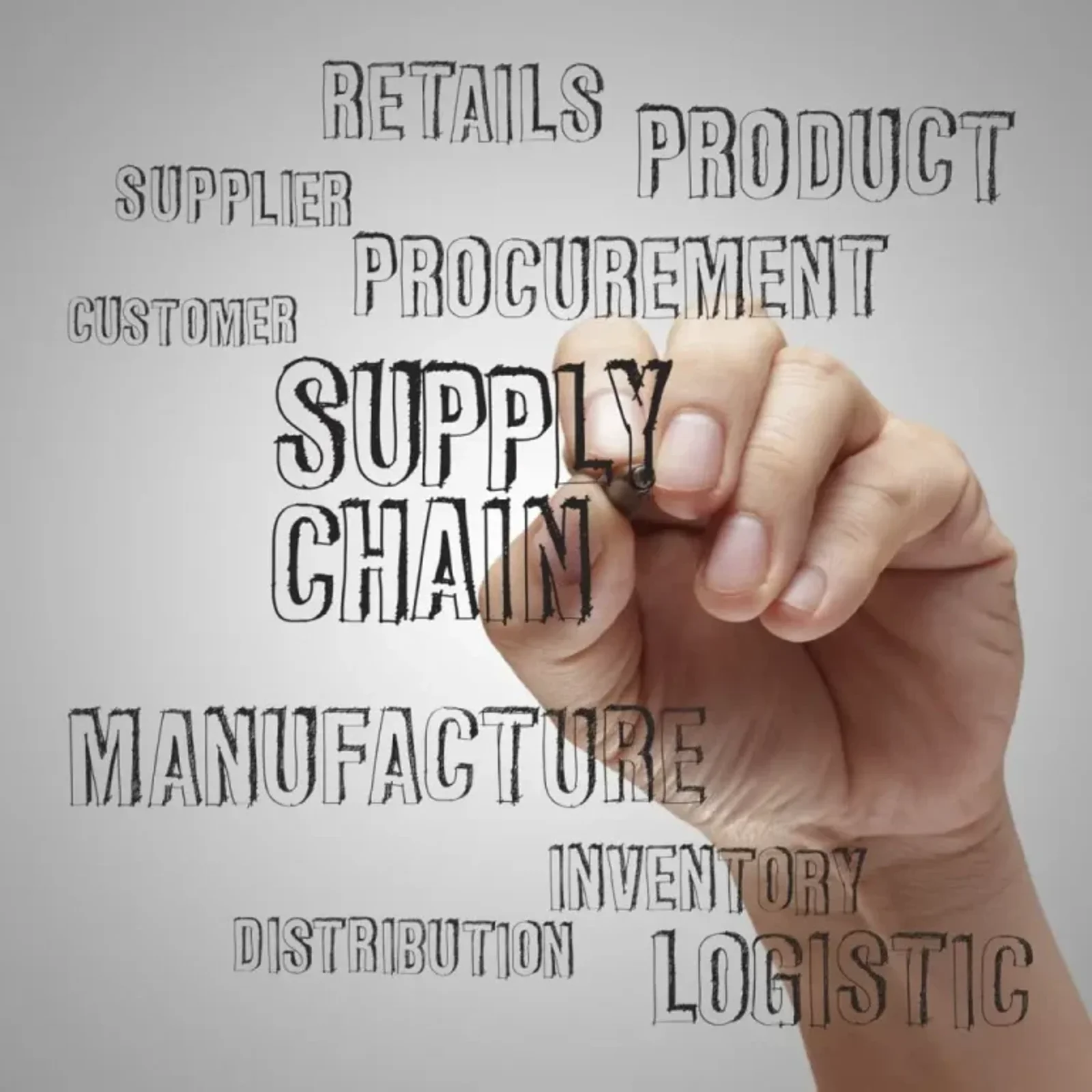
Businesses and services all order their goods from some type of manufacturer. Whether it is a medical office assistant ordering sterile bed sheets for a hospital, or business administration ordering a product sold by their business, they all require a reliable supply chain to have their product in stock. Forecasting in the supply chain is the act of determining the amount of inventory needed to fulfill customer’s orders. Supply chain management must ensure that there is not an overstock of items, but also not fall short of customer demand. Failure to meet the order requirements for a company can prove to be financially destructive for both the supply chain and the client.
Job Details
Supply chain and logistics courses are designed to train students in managing the flow of goods, and the technological methods of documenting inventory. International business will also be integrated into this study, as now more than ever global employees are a facet of supply chain management. A management role will largely involve reviewing forecasts to calculate trends for future orders. Supply chain management software continues to become more advanced and comprehensive, capable of reading real-time data and adjusting calculations for proper inventory planning.
Statistical and Non-Statistical Forecasting
Statistical forecasting is determined by supply chain software and uses estimates based on historical demand data. Non-statistical forecasting calculates demand based on quantities determined by the production planners. While statistical forecasting is more convenient in large operations, non-statistical forecasting is generally more accurate because it relies on current demand rather than historical trends.
Required Skills
If you have a knack for business and are good at crunching numbers, perhaps supply chain management is an area you’d like to explore. For now, here are some skillsets a good management team should have to ensure optimal forecasting.
- Good knowledge of international trade and customs
- Inventory management
- Critical thinking and problem solving
- Ability to comfortably manage computer programs
- Ability to apply purchasing processes
- Leadership skills to coordinate with international partners and clients
If you wish to get involved in the supply chain industry, there are a variety of large companies whose teams you could join, including multinationals like Bombardier, Toyota, Molson Brewing Company and General Electric. There is also a large supply chain industry for agriculture and local foods. The short-food supply chain is the term used to describe smaller food operations such as a farmers market. Of course, there are also opportunities with international and overseas companies, where you may find work with shared service centers, or coordinate global sourcing.
Found this useful? Share it with a friend who's exploring their next career step.
Frequently asked questions
Quick answers about applying, funding, and life at Anderson College.
How long does it take to complete a program at Anderson College?
What financial aid options are available?
Are international students welcome?
How do I apply?
Does Anderson College offer job placement support?
Still have a question? Speak with an Admissions Advisor →
More from the blog

Top Supply Chain Practicum Tips to Stand Out During Your Placement
A practicum is where classroom knowledge stops being theoretical and starts being tested in real […] …
Read article
5 Things to Consider Before Enrolling in an Early Childcare Assistant Program
Choosing a career in early learning and childcare means stepping into a role that supports […] …
Read article
Stronger Communities, Brighter Futures: How Anderson College Helps Protect Ontario
Supporting communities is at the heart of Anderson College’s mission, and it has been for […] …
Read article