
Innovative Methods of Tackling Waste in the Food Supply Chain
By Jennifer Maki · Communications Specialist
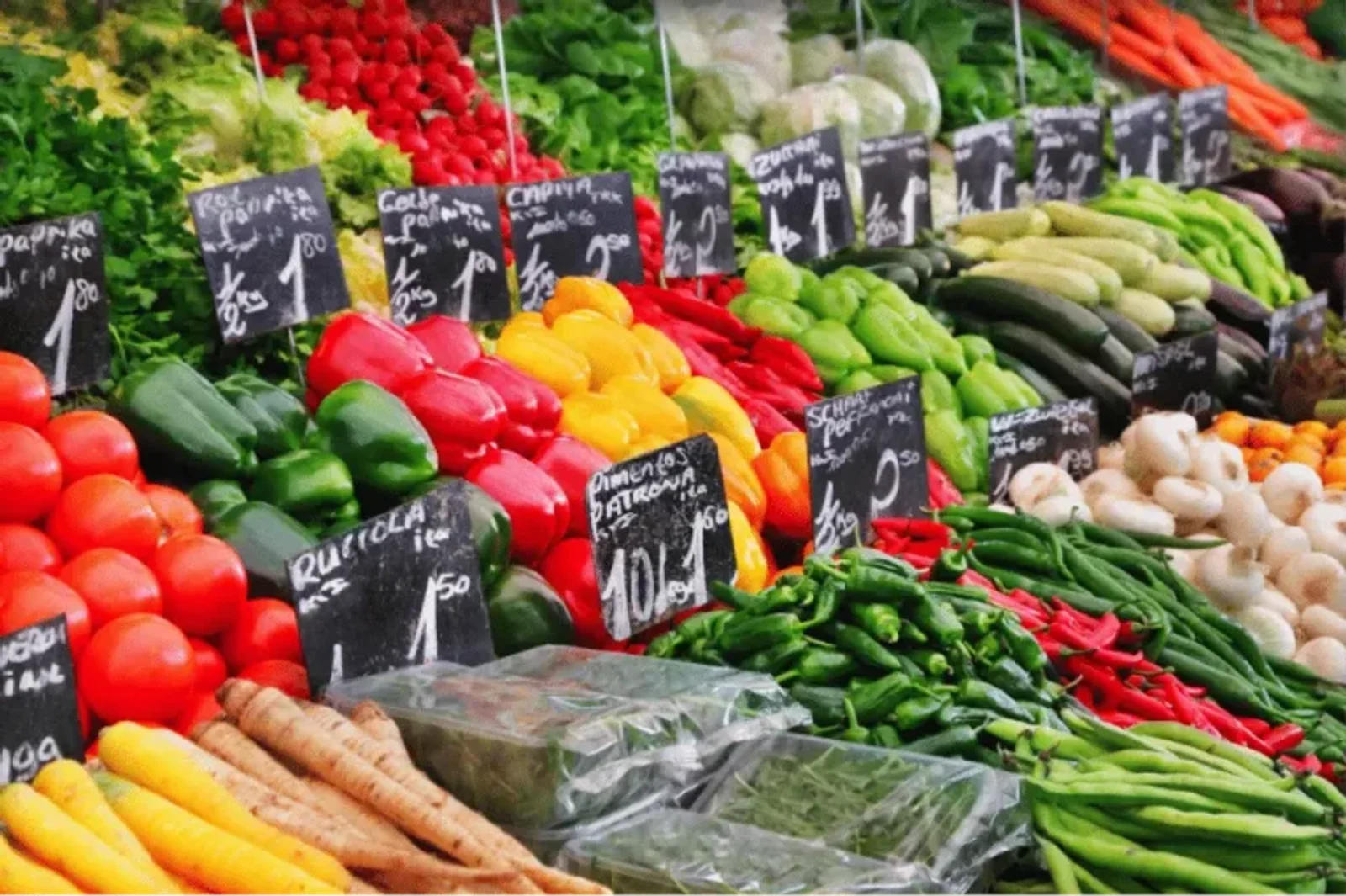
Back in pre-WW2 Britain, less than 1-3% of food in the home went to waste. Today, however, an astonishing one-third of all food grown becomes waste and is never even seen by consumers. Despite highly refined food supply chains (FSC) in developed countries, the tally of wasted food per year equals Africa’s total 12-month production: 222 million tonnes.
Across the industry, there is a growing emphasis on preventing such enormous – and often avoidable – losses. Food companies are hiring graduates of supply chain management programs to strategize, oversee and evaluate their practices to avoid waste wherever possible. Drawing on innovative technology and creative marketing techniques, here are a few of the ways companies are cutting back on product loss during production, transportation and at point of sale.
Maximizing Efficiency at the Front End of Production
In developing countries, where wheat, rice, and other grains are the main sources of sustenance, approximately 40% of food is lost before even reaching families’ homes. What causes such enormous waste? The main problem is a lack of speed and efficiency in the supply chain – the products spoil before arriving at their destination. Where limitations in transport and infrastructure cannot be readily resolved, some companies are leveraging technological solutions such as solar driers to reduce waste. The devices are given to farmers so they can ensure that grains, or products such as cocoa beans, are dried to proper temperatures before being stored and shipped. Reducing the chance of spoilage at the front end of production is a simple, yet effective way to limit loss during transport and distribution.
Offering “Imperfect” Food at Lower Cost
In the developed world, consumers place a high level of importance on unblemished food. The smallest bruise or discolouration usually prompts shoppers to toss that apple or squash right back in the display basket. We enjoy the freedom of selecting from a wide range of options – but there’s an obvious downside to this abundance. Wastage of perishable foods is extremely high at the point of sale. As an answer to this problem, some grocery store chains have begun selling “imperfect” produce at a discounted price. Intermarche (a well-known French chain) rolled out a new line of imperfect vegetables and fruits last year, all at a 30% discount. So far, the imperfect produce line has been selling out in stores.
Loblaw’s grocery stores in Canada have also launched their own “Naturally Imperfect” line of products, which like Intermarche, sells extremely well at a 30% discount. Enticing consumers with price reductions on blemished (but still perfectly healthy) produce is exactly the sort of solution someone with supply chain management training would devise to mitigate waste – and maximize profits.
Investing in High-tech Packaging
Packaging plays a vital role in moving foods safely through the supply chain by protecting freshness and integrity during transportation. Fruits that come from Vietnam to Canada, for instance, will go through several types of packaging before reaching grocery store shelves.
Many experts believe that a large portion of food is lost during transportation because conventional packaging does not offer enough ventilation or temperature control to prevent spoilage. It’s quite likely that students currently pursuing a supply chain and logistics diploma will look to emerging high-tech packaging to avoid food loss during long transports. One leader in this field is called Landec – they’ve invented packages that maintain optimal levels of oxygen, thereby extending the life of produce during the journey from farm to table.
What are some other innovative ways that the food supply chain can cut back on waste?
Found this useful? Share it with a friend who's exploring their next career step.
Frequently asked questions
Quick answers about applying, funding, and life at Anderson College.
How long does it take to complete a program at Anderson College?
What financial aid options are available?
Are international students welcome?
How do I apply?
Does Anderson College offer job placement support?
Still have a question? Speak with an Admissions Advisor →
More from the blog

Top Supply Chain Practicum Tips to Stand Out During Your Placement
A practicum is where classroom knowledge stops being theoretical and starts being tested in real […] …
Read article
5 Things to Consider Before Enrolling in an Early Childcare Assistant Program
Choosing a career in early learning and childcare means stepping into a role that supports […] …
Read article
Stronger Communities, Brighter Futures: How Anderson College Helps Protect Ontario
Supporting communities is at the heart of Anderson College’s mission, and it has been for […] …
Read article