
An Early Childcare Assistant’s Guide to Effective Parent Communication
By Jennifer Maki · Communications Specialist

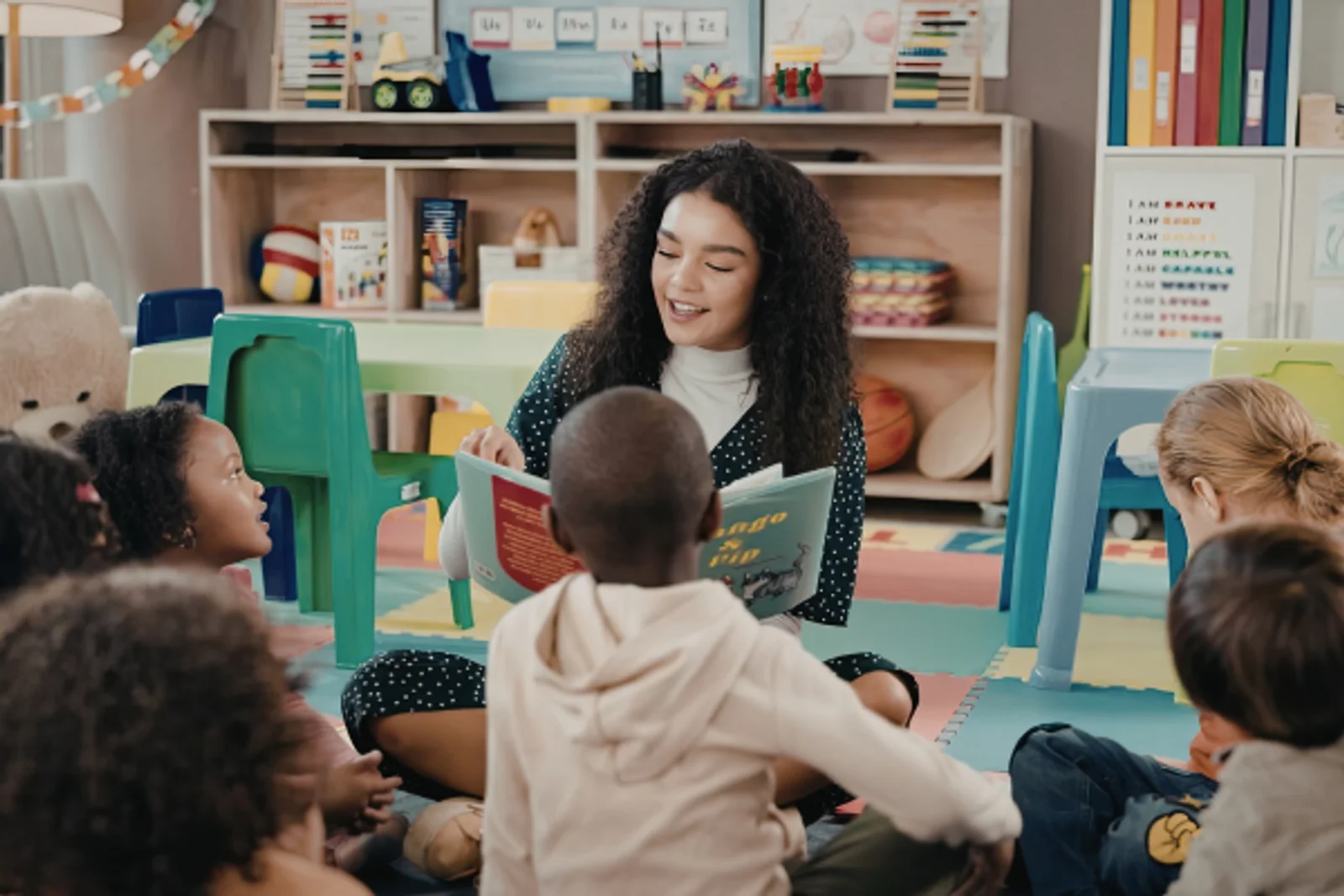
Students pursuing careers as early childcare assistants (ECAs) know that they will one day be responsible for supervising and providing care to young children enrolled in preschools, daycares or kindergartens. They will be required to prepare daily activities that will help promote cognitive and physical development in children, which also involves monitoring and recording any progress made. Every professional early childhood assistant understands the importance of building meaningful relationships not only with the children they are supervising but with their families as well. Continue reading for strategies on effectively communicating with parents as an ECA.
The Importance of Good Parent Communication
When early childcare assistants communicate with a child’s family, both parties should be able to collaborate and assess the child’s strengths and weaknesses while working together to come up with ways to better support him or her. And of course, anyone with an early childcare assistant diploma knows that a good parent-caregiver bond builds the foundation for a healthy education environment. When the parent makes a positive association with educators and the learning environment, this is inevitably reflected in the child’s attitude and level of success.
Two-way Discussions
ECAs recognize that the best and most effective way to communicate with a child’s parents is by having a two-way conversation. This can be accomplished either through a phone call or by meeting face-to-face. Meeting in person is preferred because it allows the ECA to listen to the parents directly and personally address any questions or concerns they might have.
Progress Reports
In cases where two-way communication is not ideal, one-way communication can be just as effective. Early childcare assistants will often use progress reports to communicate the events of a child’s day to the parents. Progress reports can be given to parents when they drop off their child in the mornings or pick them up in the evenings. A progress report is a method of quickly outlining both the negative and positive parts of a child’s day to keep their parents informed. These can either be formal or informal, depending on the ECA’s relationship with the parents. These progress reports are usually very short and to the point – sometimes just a sentence or two is enough.
Monthly Newsletters
Another tactic that professionals with early childcare assistant training might use to communicate a child’s progress to his or her parents is by writing a monthly newsletter. It should not come as a surprise that this letter would be much lengthier than a progress report, as it would outline an entire month of a child’s progress. Some ECAs might even attach some of the work (drawings, paintings, etc.) that a child has created within that time. ECAs can also include lists of ways in which a parent might be able to extend a child’s learning at home, or perhaps even inform parents on volunteer opportunities that may be available at the daycare or preschool.
Can you think of any other effective strategies that a childcare assistant might use to communicate effectively with parents?
Found this useful? Share it with a friend who's exploring their next career step.
Frequently asked questions
Quick answers about applying, funding, and life at Anderson College.
How long does it take to complete a program at Anderson College?
What financial aid options are available?
Are international students welcome?
How do I apply?
Does Anderson College offer job placement support?
Still have a question? Speak with an Admissions Advisor →
More from the blog
5 Things to Consider Before Enrolling in an Early Childcare Assistant Program
Choosing a career in early learning and childcare means stepping into a role that supports […] …
Read article
Stronger Communities, Brighter Futures: How Anderson College Helps Protect Ontario
Supporting communities is at the heart of Anderson College’s mission, and it has been for […] …
Read article
How Specialized Training Shaped Shahrzad’s Path as a Personal Support Worker
Each year, in the spirit of celebrating the diverse and powerful experiences of our students, […] …
Read article