
How Drones Will Change the Way We Manage Supply Chains
By Jennifer Maki · Communications Specialist
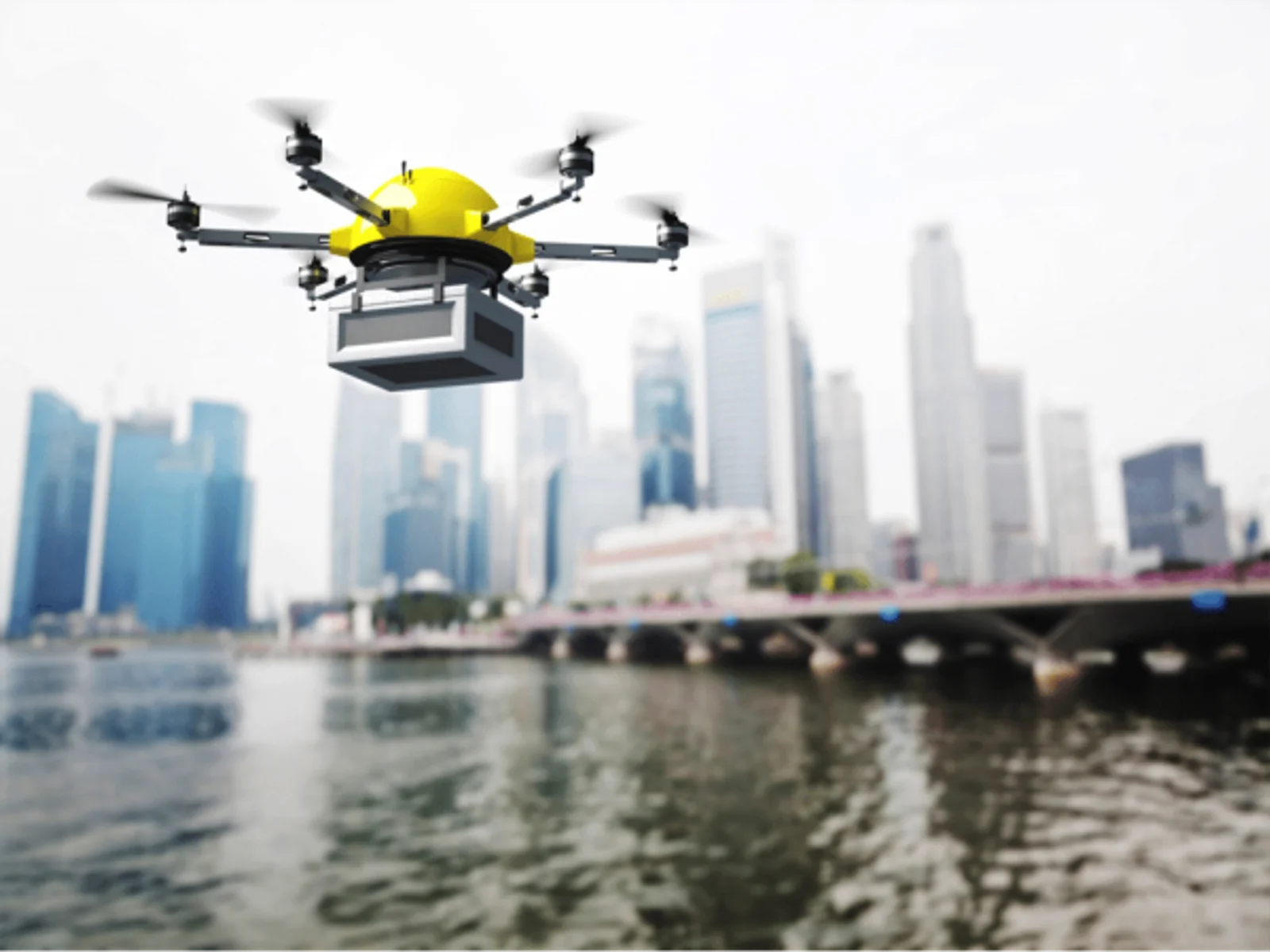
Once limited to military use, drone technology is reaching new heights in the commercial sector. Unmanned autonomous vehicles (UAVs) are fast becoming the shiny new tool of the supply chain trade.
What does this mean for the business of supply chain management? From reducing costs and delivery time to creating new industry policies and mapping the supply chain with 3D imagery, drones are set to reshape this field in a big way.
Drones Shrink Supply Delivery Time & Cost
The race for fastest delivery time is already intense, with eBay dispatching college students by foot to do the speedy groundwork that ensures “next-day delivery.” It might sound impossible, but drone technology could bring products from factories to doorsteps in just 30 minutes.
That’s the goal of Amazon founder Jeff Bezos. He says drones would reduce reliance on traditional shipping providers (like trains and trucks), significantly shrink delivery time and increase output, without straining resources. And their parts are significantly (90%!) cheaper than those we use for traditional delivery.
While risks associated with UAVs might bump up specific insurance premiums (ie: new insurance charges to account for product theft or weather damage), the overall impact is a cheaper link in the supply chain.
Drones Challenge Industry Regulations
Supply chain training programs must now adapt to include the ever-evolving policy changes surrounding drone technology.
Amazon’s bid for delivery drones has hit several speedbumps along the way with the need for federal permissions and regulations.
These new rules involve geographic, speed, and weight restrictions. As of June 1, 2015, the FAA has specified that delivery drones can only fly in good weather, not close to airports, and within visible sight of the operator.
Some industry leaders are frustrated by these restrictions. “Drones seem to offer an affordable and flexible solution – but not if the FAA rules are in place,” says Guy Courtin of Constellation Research in an article on ZDNet.
Opinions like these may encourage companies to move even more elements of manufacturing abroad, to cheaper countries with more drone freedom.
Drones Allow Supply Chain Mapping
UAVs are equipped with wireless communications and data analysis software, allowing them to track the location of a person using data from their smartphone before completing the delivery.
Cameras and GPS capabilities are essential to UAVs, which makes 3d mapping possible. A drone can update its route in real-time, and film its trek from the warehouse to the doorstep, offering a visual map of the supply chain timeline.
Students in supply chain management logistics courses can now work with the data these new features provide.
Drones Will Do More Than Just Deliver
UAVs can also be used to perform maintenance checks and repairs, especially in remote, inclement, and hazardous conditions.
What’s more, UAV surveillance can continually monitor warehouses and inventory; becoming the eyes and ears of a building to monitor it in real-time. While a little Orwellian, that’s undoubtedly useful and cost-efficient.
There are both major gains and significant challenges to integrating drones in the workforce. If we keep on top of it, with innovative supply chain training and an ear on the industry, the future could truly be sky-high.
Are you interested in training for a challenging career in supply chain management? Visit Anderson College to explore our program and connect with an advisor.
Found this useful? Share it with a friend who's exploring their next career step.
Frequently asked questions
Quick answers about applying, funding, and life at Anderson College.
How long does it take to complete a program at Anderson College?
What financial aid options are available?
Are international students welcome?
How do I apply?
Does Anderson College offer job placement support?
Still have a question? Speak with an Admissions Advisor →
More from the blog

Top Supply Chain Practicum Tips to Stand Out During Your Placement
A practicum is where classroom knowledge stops being theoretical and starts being tested in real […] …
Read article
5 Things to Consider Before Enrolling in an Early Childcare Assistant Program
Choosing a career in early learning and childcare means stepping into a role that supports […] …
Read article
Stronger Communities, Brighter Futures: How Anderson College Helps Protect Ontario
Supporting communities is at the heart of Anderson College’s mission, and it has been for […] …
Read article