
Guide to Braces for Dental Assistant Students- Learn Orthodontic Basics
By Jennifer Maki · Communications Specialist
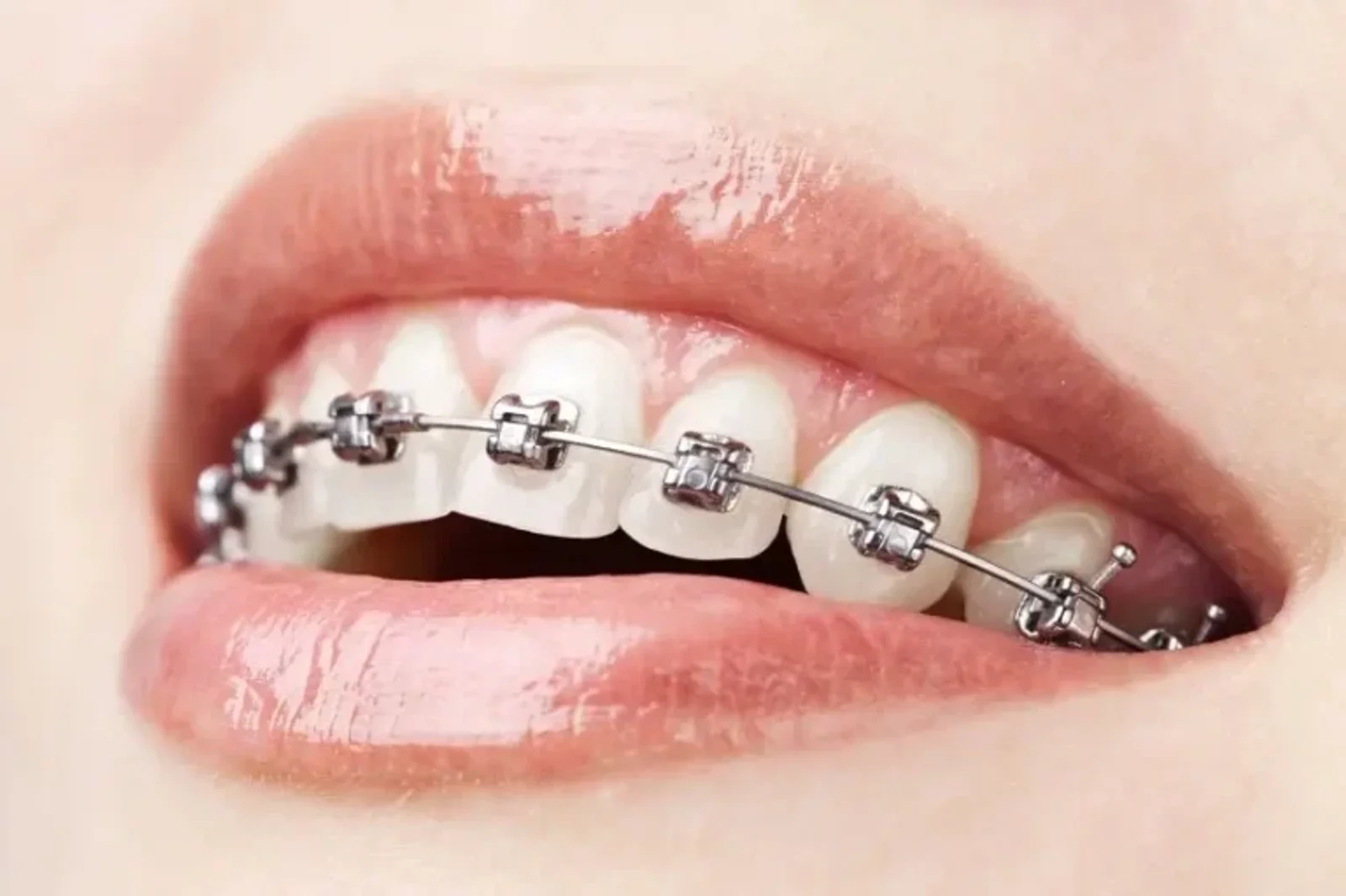
Dental professionals know that the mouth is a complicated area of the body, especially where teeth are concerned. Teeth can become crooked or crowded while growing, or become damaged in an injury. Luckily, there is an assortment of treatments that exist to correct these issues.
Braces are generally applied by orthodontists to improve the look and health of teeth, and the once-limited selection has now evolved so that there are braces to suit every patient’s needs.
What Are the Four Main Types of Braces?
1. Traditional Metal Braces
Traditional braces are made of stainless steel brackets and wires that are held in place with small rubber bands. Metal braces are the most common and effective type available, but they are also the most visible. One great thing about metal braces, however, is that they are the least expensive type on the market, and there have even been significant updates to improve these braces over the years. Metal braces are generally much smaller today than they once were, and as graduates know from their dental assistant training, innovations like heat-activated archwires allow the teeth to move much more quickly and with less pain because they respond to the body’s heat.
While various other options are much more discreet, children and teenagers tend to choose traditional braces because they allow for fun individual expression through the coloured rubber bands.
2. Ceramic (Camouflage) Braces
Ceramic braces are essentially the same as traditional braces except that they are made from ivory-coloured or clear ceramic instead of stainless steel. This allows them to blend easily into the teeth so that they are a lot less noticeable than stainless steel braces. While patients are usually given the option of having coloured rubber bands with ceramic braces, most usually opt for clear bands, as they are less visible. Dental assistant school graduates know that while the actual ceramic braces do not stain or discolour, the rubber bands or ties can become coloured through the consumption of various foods and beverages. These bands and ties are changed regularly by the orthodontist, so every month or so the patient will have new bands altogether.
3. Lingual (Hidden) Braces
While lingual braces may appear invisible, anyone who has taken dental assistant courses knows that they are similar to traditional braces, but they are just hidden behind the teeth, as opposed to in front of them. Lingual braces are much more expensive than both traditional and ceramic braces, mainly because the application process is much more complex and there are very few orthodontists that know how to properly apply them. One great thing about these braces is that they are not visible from the outside; however, they are much harder to clean and can be less effective if a patient’s case is very severe. Lingual braces can also be very uncomfortable (especially to those with very small teeth) and they can also cause speech problems, as well as slight oral injuries.
4. Invisalign
Just as the name suggests, Invisalign braces are invisible to the casual observer. Of course, the invisibility that’s offered by these braces does come at a much higher cost than any of the other options. One ideal characteristic of these braces is that they can be removed and replaced at any time, so they allow people to eat and drink whatever they want, without becoming stained. While these braces are less effective than traditional options—especially in very severe cases—they do work great for people who do not have significant oral problems. One downside to Invisalign braces is that they are only available for teenagers and adults, so children are not able to benefit from their discreetness.
Do you know which type of braces is most popular for patients?
Frequently Asked Questions ( FAQs)
Q1. Do orthodontic assistants put braces on patients?
No, orthodontists apply braces, but orthodontic assistants prepare materials, assist during placement, and provide patient care and education.
Q2. Are braces heat-activated?
Yes, many modern metal braces use heat-activated archwires that respond to body temperature, making tooth movement more comfortable and efficient.
Q3. Can a dental assistant work in orthodontics?
Absolutely! With proper training or certification, dental assistants can work alongside orthodontists to help with fittings, adjustments, and patient care.
Q4. Are Invisalign braces suitable for all patients?
Not always. Invisalign works best for mild to moderate alignment issues. Severe cases usually require traditional or ceramic braces.
Q5. What makes ceramic braces different from metal braces?
Ceramic braces are clear or tooth-coloured, offering a more discreet look, though they can be slightly more delicate and expensive.
Found this useful? Share it with a friend who's exploring their next career step.
Frequently asked questions
Quick answers about applying, funding, and life at Anderson College.
How long does it take to complete a program at Anderson College?
What financial aid options are available?
Are international students welcome?
How do I apply?
Does Anderson College offer job placement support?
Still have a question? Speak with an Admissions Advisor →
More from the blog

5 Things to Consider Before Enrolling in an Early Childcare Assistant Program
Choosing a career in early learning and childcare means stepping into a role that supports […] …
Read article
Stronger Communities, Brighter Futures: How Anderson College Helps Protect Ontario
Supporting communities is at the heart of Anderson College’s mission, and it has been for […] …
Read article
From Skills Gap to Certification Ready: Bruce’s Dental Assistant Program Journey
Bruce’s journey toward certification began with experience, clarity, and a deep understanding of what he […] …
Read article