
A Day in the Life of a Customs Officer
By Jennifer Maki · Communications Specialist
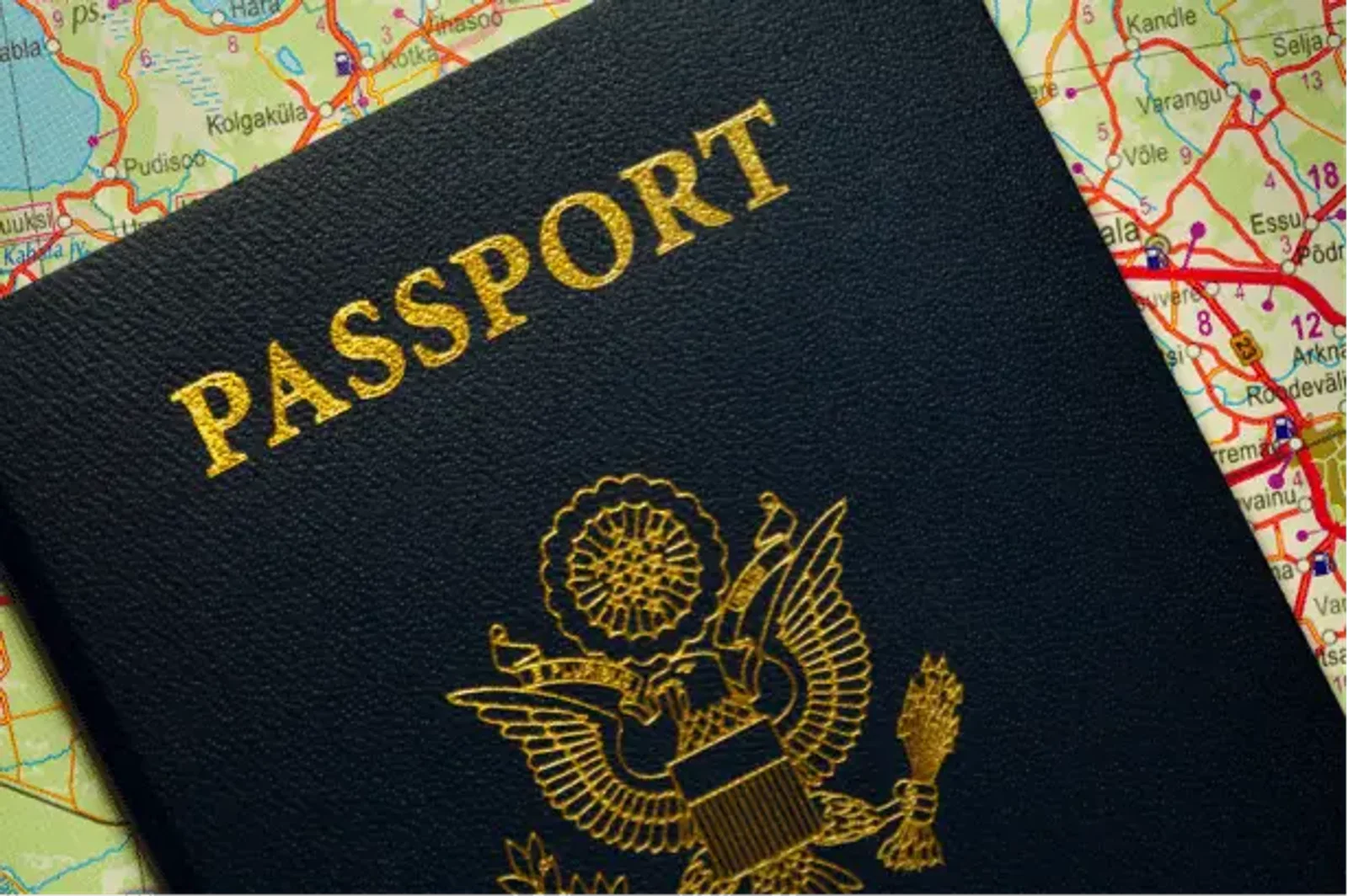
It’s rare to meet a traveler who has never been stopped and questioned by a customs official. Although customs screenings may be the cause of one or two hold-ups in our past, they are critical to our country’s security. Customs officers work to protect Canadians by ensuring visitors abide by the laws of the country, and do not attempt to bring restricted items into Canada. No risky item, no matter how small, escapes the scrutiny of a customs professional. Foods such as meat are constantly monitored and often barred from import into Canada because of the potential diseases it carries. Pests are also a big concern. High-risk plants – even a Christmas tree – will be confiscated at Canadian customs if they come from regions associated with high-risk insects.
Customs must also function as a preventative barrier against crimes like the illegal smuggling of drugs and alcohol, and firearms trafficking. Law enforcement colleges train customs officers on how to make the correct judgments and take effective precautions when screening visitors entering our country. To get an idea of the scope and importance of this career, take a look at some of the daily duties of a customs officer in Canada.
Performing a Detailed Luggage Search
One of the basic duties of a customs officer is to search the luggage of travelers entering the country. Travelers may be coming in via airports, land borders or seaports. The main reason for checking luggage is to ensure that no products banned in the country are allowed to breach our borders. An additional reason is to ensure that people are paying the appropriate taxes for items that exceed personal allowance guidelines. Many travelers are stopped and fined because they have neglected to declare certain possessions, including cash, on the forms provided for that very purpose. A graduate of dental school or practicing doctor is probably aware of pharmaceutical restrictions at customs – and it is common for travelers to have their medications confiscated for not carrying them in their original containers (or declaring them in full). An early childhood assistant should also be wary of certain items like baby walkers which are banned in Canada, although for the most part legal in the rest of the world.
Customs officers may also search ships, aircraft or vehicles to examine goods being taken into the country and to check for smuggling. Smuggling, in this case, can include not only goods but illegal immigrants.
Question Travellers
Not only must customs officers screen for banned or smuggled items, but they also must check travelers’ documents and passports to ensure no inadmissible person is being granted entry into the country. A customs officer may question a traveler on their immigration clearance, or whether they have any currency or cheques in their possession. For travelers who have been detained at customs, it is the job of the customs officer to question them. This could include asking about any illegal items they have tried to bring into the country, previous arrests, or any false claims they have made on their documents.
Making Arrests and Charges
In some cases, travelers coming through customs may already be wanted on outstanding charges in the country they are trying to enter. It is the job of a customs officer to identify these suspects and turn them over to the police. While awaiting additional law enforcement back-up, the customs officer is responsible for the arrest and detainment of anyone deemed to be high-risk to Canada’s security or proven guilty of a recognized offense.
Found this useful? Share it with a friend who's exploring their next career step.
Frequently asked questions
Quick answers about applying, funding, and life at Anderson College.
How long does it take to complete a program at Anderson College?
What financial aid options are available?
Are international students welcome?
How do I apply?
Does Anderson College offer job placement support?
Still have a question? Speak with an Admissions Advisor →
More from the blog

5 Things to Consider Before Enrolling in an Early Childcare Assistant Program
Choosing a career in early learning and childcare means stepping into a role that supports […] …
Read article
Stronger Communities, Brighter Futures: How Anderson College Helps Protect Ontario
Supporting communities is at the heart of Anderson College’s mission, and it has been for […] …
Read article
How Specialized Training Shaped Shahrzad’s Path as a Personal Support Worker
Each year, in the spirit of celebrating the diverse and powerful experiences of our students, […] …
Read article