
Classroom Management Tips For Early Childhood Assistants
By Jennifer Maki · Communications Specialist

If you are pursuing a childcare assistant career, you probably already know that managing a kindergarten or preschool classroom is a lot of work. Sometimes, young children might completely disregard instructions, throw tantrums or talk back during activities and lectures. That being said, there are tried and true methods taught in early childcare assistant courses to help professionals effectively manage a classroom. Read on for some strategies and tips that will help you prevent and control any negative behaviour, and keep the focus on positive learning!
Keep Children Engaged
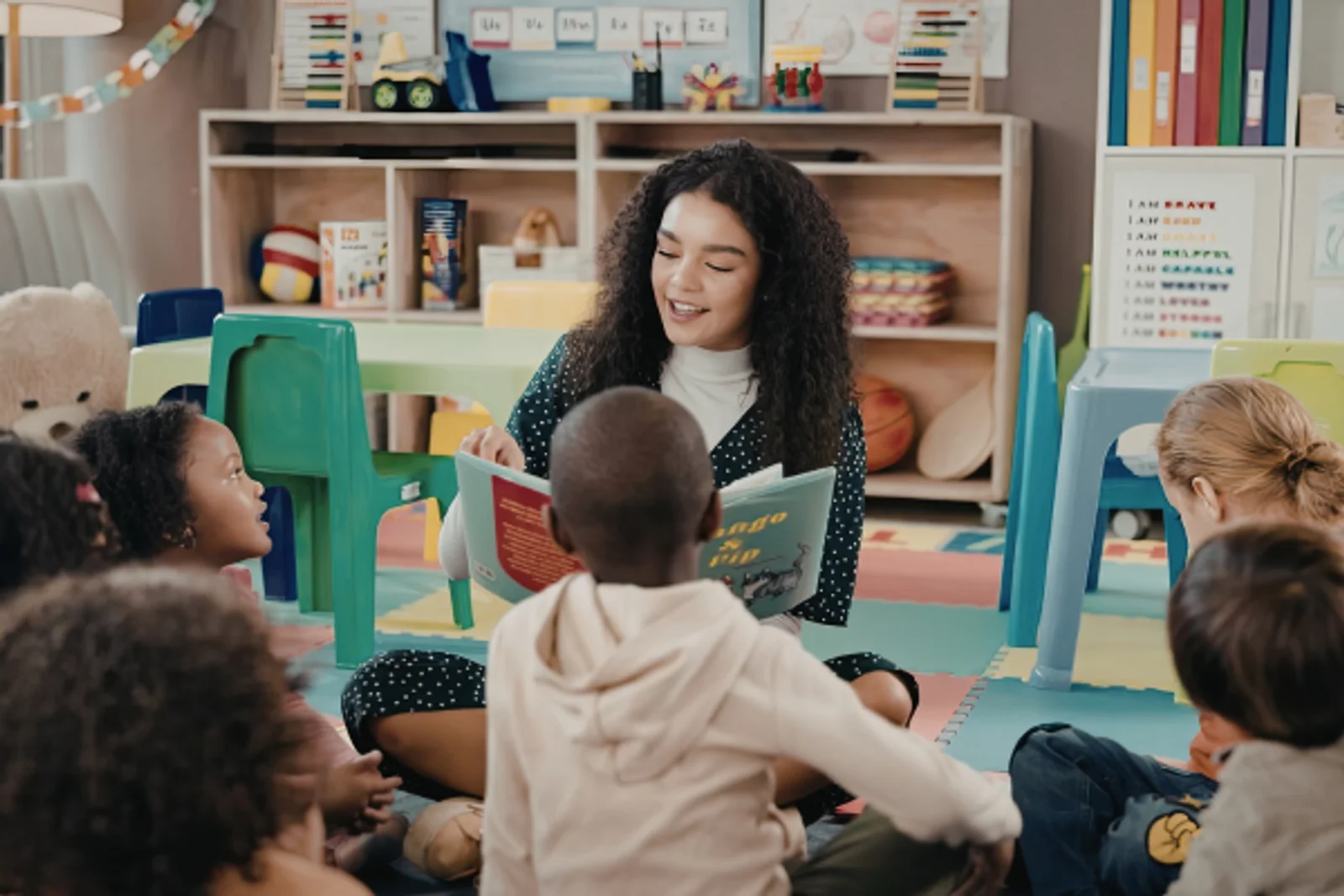
Oftentimes, children will misbehave because they are not engaged by the lesson or activity at hand. Therefore, childcare educators and assistants need to present curricula in a way that will reach every student in the classroom. For example, instead of having children sit side-by-side or at tables or desks, educators might have children sit in a circle. This is a great strategy because it provides the educator with the ability to observe all of the students at once, and students can see all their classmates as well. Educators might also keep children engaged by providing music in the background during activities, or by using gamification to make education-based activities more fun for kids with diverse learning styles.
Maintain an Organized Classroom
Early childhood assistants know that keeping a daycare or kindergarten classroom organized and tidy can be quite the challenge; however, it is essential for maximizing time spent on activities. A well-organized space also makes way for a thorough cleaning, which helps prevent the spread of germs and shows the children and parents that you care about the learning environment.
Create a Schedule for Children to Follow
Every education professional understands that consistency is a very important part of early childhood development, as routine provides young students with a sense of comfort and predictability. Many early childhood assistants help create child-friendly schedules for their young students to follow each day. Schedules like these should be very visual so that they appeal to a young audience. One idea is to stick a variety of images onto a poster—these might include images of food to signify snack time, or toys to signify free playtime.
Use Positive Reinforcement
While some educators use discipline such as time-outs as a way of convincing students to behave and pay attention in class, many early childhood professionals have found that positive reinforcement can be a more effective practice. This is because a behaviour that is followed by positive reinforcement will likely be repeated. So, if a student shares her toys or materials with another student, an early childhood assistant might smile and say something like, “Jessica, I noticed that you shared your toys with Miranda today. Great job!” This type of praise will provide enough encouragement for the student to know that she has done something good and should continue doing it. However, generic praise—like saying “Jessica you’re such a great girl”—might not be as effective, as there are no particular behaviours associated with the positive reinforcement.
What are some other helpful tips for managing a classroom?
Found this useful? Share it with a friend who's exploring their next career step.
Frequently asked questions
Quick answers about applying, funding, and life at Anderson College.
How long does it take to complete a program at Anderson College?
What financial aid options are available?
Are international students welcome?
How do I apply?
Does Anderson College offer job placement support?
Still have a question? Speak with an Admissions Advisor →
More from the blog
5 Things to Consider Before Enrolling in an Early Childcare Assistant Program
Choosing a career in early learning and childcare means stepping into a role that supports […] …
Read article
Stronger Communities, Brighter Futures: How Anderson College Helps Protect Ontario
Supporting communities is at the heart of Anderson College’s mission, and it has been for […] …
Read article
How Specialized Training Shaped Shahrzad’s Path as a Personal Support Worker
Each year, in the spirit of celebrating the diverse and powerful experiences of our students, […] …
Read article