
Adapting to the Needs of Children with Hearing Loss in Early Childcare
By Jennifer Maki · Communications Specialist

Personal development during the early years of childhood can be challenging for youngsters. Boys and girls are meeting new people all the time, learning new games, and taking in lots of new information in pre-schools. Hearing loss can make such social development a little more challenging.
Fortunately, early childcare assistants can apply slightly adapted techniques to cater to such needs and help all children feel welcomed in the classroom. Hearing loss is a broad term, which is why open communication and understanding with parents is so important. Once that has been achieved, there are a range of teaching tips and activities which can be integrated into a childcare assistant’s daily routine.
Different Types of Hearing Loss Which may Be Encountered
Hearing loss doesn’t necessarily mean a complete loss of this sense. There are three types of impairment which can hinder a person’s ability to hear properly. Conductive hearing loss refers to blockages which prevent sound from efficiently reaching the inner ear. This could be caused by infections or fluid/wax build-up in the ear canal or eardrum, as well as damage to bones in the middle ear. Medical products can be effective for such conditions, but hearing aids may also be necessary in certain circumstances.
Sensorineural hearing loss refers to damage of hearing nerves or the inner ear. Hearing aids are a much more common solution this time around because these problems are often permanent. It’s also possible for people to suffer from mixed hearing loss, which is a combination of conductive and sensorineural. Medical professionals conduct the necessary tests to detect possible hearing loss, and anybody in an early childcare assistant career should be kept informed about such diagnoses.
How Childcare Assistants and Children with Hearing Loss Communicate Effectively
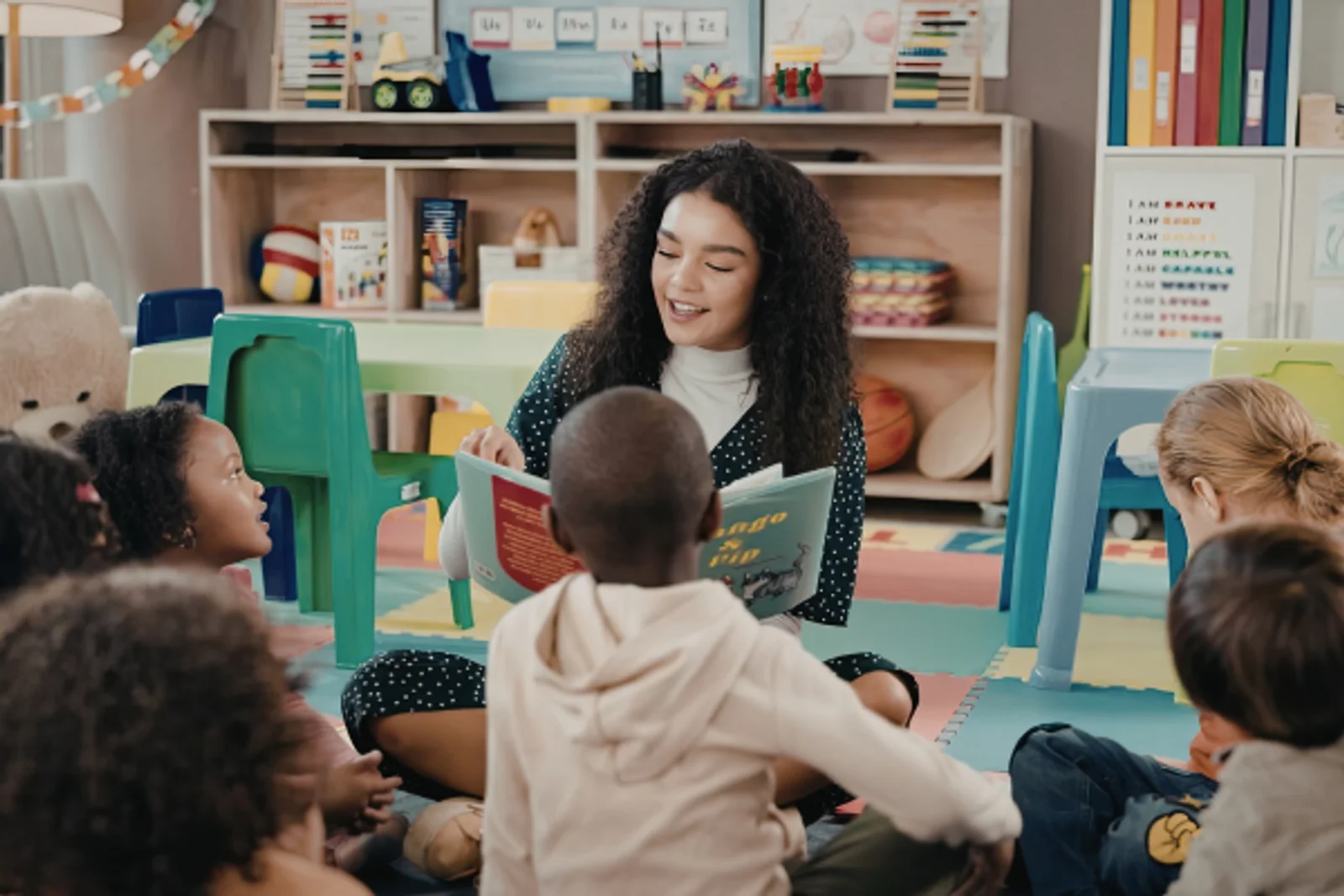
The most common piece of advice offered when working with children with hearing loss is to keep on talking. This helps kids with hearing loss develop their language skills and feel included in the classroom. Top childcare assistants don’t become demoralized when a message isn’t getting through. When first trying to catch the child’s attention, gently tap them on the shoulder. Then stand or kneel close to the child when having a conversation.
Eye contact is also essential to allow the child to read your lips during a conversation. Resist the temptation to excessively raise your voice when speaking, because this isn’t guaranteed to help them hear what you’re saying. It may also make them feel self-conscious, and embarrass them among classmates.
Creating Inclusive Group Activities After Childcare Training
A child’s hearing loss is a good opportunity to educate their peers about the condition. This helps to prevent misinformation spreading around the classroom, where the affected child could become isolated. Activities that promote the development of verbal communication and listening skills should be encouraged, because this allows children with hearing loss to experience language in a natural setting. This should be balanced with non-verbal activities, such as art or puzzles, which can also develop other important skills and help build self-confidence.
Hearing Aids Require Special Attention to Prevent Damage
Those in childcare training should also develop some degree of familiarity with hearing aids. It’s useful for professionals to know how to put the devices on effectively, how to switch it on, and when to switch batteries. It’s also important to remember that these are electrical items, so try to prevent the possibility of water damage. If the child is hearing a whistling from the hearing aid, it’s also a good indicator that they have outgrown it. Open communication with parents will also help to ensure that special considerations are known and followed.
Do you want to learn how to become an early childcare assistant?
Start a fulfilling and long-lasting career by studying the diploma program at Anderson College.
Found this useful? Share it with a friend who's exploring their next career step.
Frequently asked questions
Quick answers about applying, funding, and life at Anderson College.
How long does it take to complete a program at Anderson College?
What financial aid options are available?
Are international students welcome?
How do I apply?
Does Anderson College offer job placement support?
Still have a question? Speak with an Admissions Advisor →
More from the blog
5 Things to Consider Before Enrolling in an Early Childcare Assistant Program
Choosing a career in early learning and childcare means stepping into a role that supports […] …
Read article
Stronger Communities, Brighter Futures: How Anderson College Helps Protect Ontario
Supporting communities is at the heart of Anderson College’s mission, and it has been for […] …
Read article
How Specialized Training Shaped Shahrzad’s Path as a Personal Support Worker
Each year, in the spirit of celebrating the diverse and powerful experiences of our students, […] …
Read article