
A Personal Support Worker’s Guide to First Aid & CPR
By Jennifer Maki · Communications Specialist
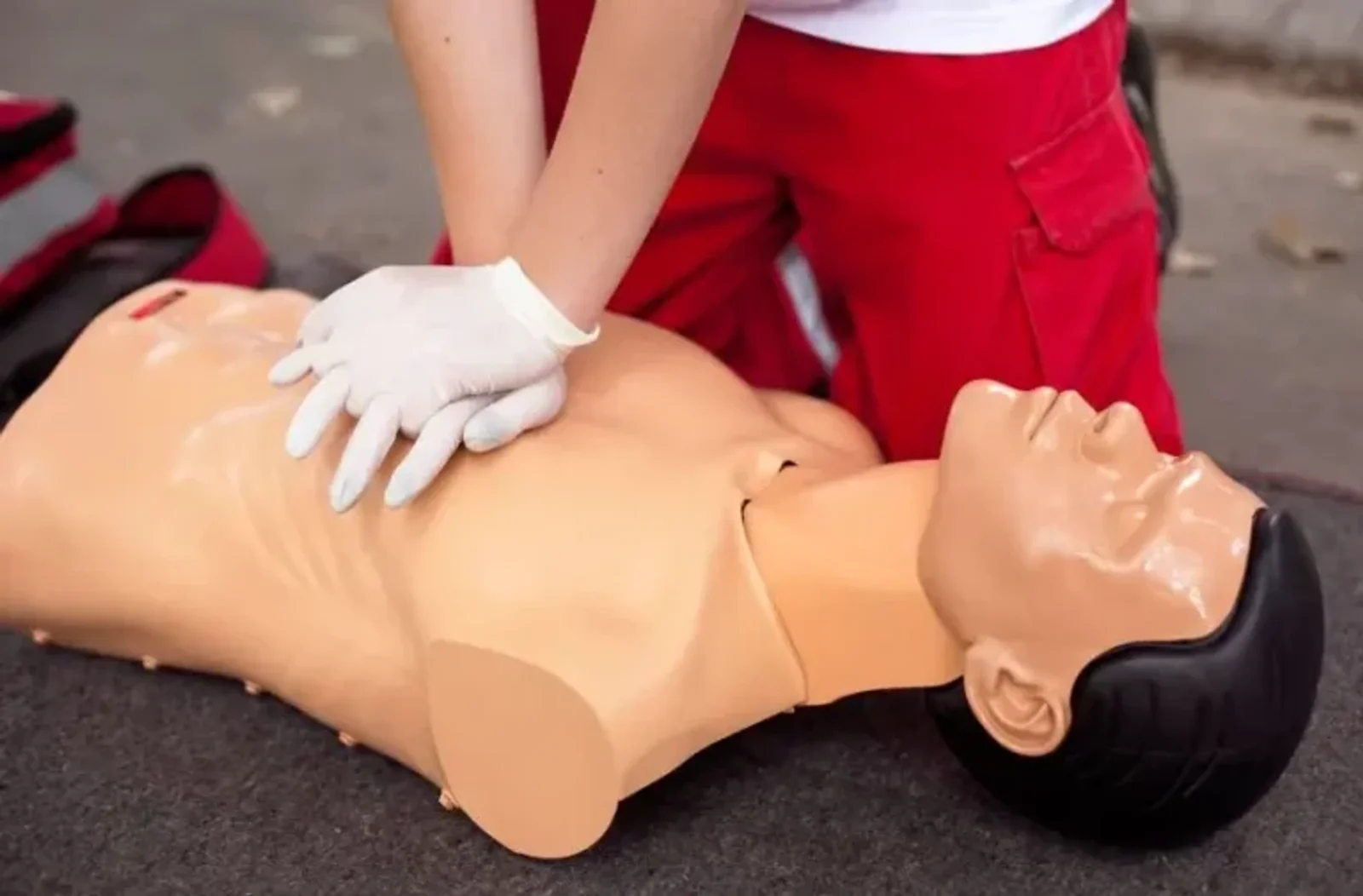
If you plan to pursue personal support worker training, you may one day find yourself working in a nursing home, hospital, or private residence. Here, you will be responsible for caring for the elderly. It shouldn’t surprise you to learn that the people you’ll eventually be helping will likely face a range of chronic health conditions. Though PSWs do not follow a setlist of duties, one common skill that they are all required to master is the ability to react effectively and efficiently in emergencies. Read on to find how a personal support worker uses first aid to react in an emergency while on the job.
Treating Someone Who is Choking
Anyone who has taken a personal support worker course knows how to properly react in a situation where a person is choking. The first thing these professionals do is give the choking individual five blows between the shoulder blades with the heel of their hand. If the choking persists, the PSW moves on to abdominal thrusts. To perform these effectively, they:
- Stand behind the person and wrap their arms around the waist
- Place a clenched fist directly above the person’s navel, grabbing the fist with the other hand
- Quickly pull inward and upward
The PSW will alternate between cycles of five back blows and five abdominal thrusts until the object that the person is choking on is coughed up or dislodged and they begin to breathe regularly. It’s important to note that if the individual is pregnant, the personal support worker will perform the abdominal thrusts by placing his or her hand just above the stomach at the base of the breastbone to ensure that the baby will not be harmed.
Identifying the Signs of Stroke
As people age, the risk of stroke increases – this means that personal support workers (who work with the elderly) need to understand how to identify the symptoms of stroke, as well as know the protocol for providing help. Students enrolled in PSW courses know that it is important to contact emergency services immediately if they notice a patient is experiencing the telltale signs of a stroke, these include:
- Numbness or weakness of the face, arms, or legs (especially if the numbness occurs on only one side of the body)
- Slurred speech
- Trouble seeing
- Difficulty walking, dizziness or balance problems
- Sudden confusion
- Severe headache
A PSW will be expected to record the time when the symptoms first appeared. There are several different types of strokes, and some can be treated with a medication that reduces the long-term effects. If this medication is available, it will be administered to the patient within the first four hours of noticing the symptoms. If the individual is diabetic, blood sugar level should be measured – low blood sugar can be treated with a glucose tablet, or even a glass of a sugary beverage, like orange juice.
Have you ever delivered first aid during a medical emergency? What tips can you offer for remaining cool and calm?
Found this useful? Share it with a friend who's exploring their next career step.
Frequently asked questions
Quick answers about applying, funding, and life at Anderson College.
How long does it take to complete a program at Anderson College?
What financial aid options are available?
Are international students welcome?
How do I apply?
Does Anderson College offer job placement support?
Still have a question? Speak with an Admissions Advisor →
More from the blog

5 Things to Consider Before Enrolling in an Early Childcare Assistant Program
Choosing a career in early learning and childcare means stepping into a role that supports […] …
Read article
From Nervous Beginnings to Success in a PSW Course: Christine’s Journey
Each year, in the spirit of celebrating the diverse and powerful experiences of our students, […] …
Read article
Protecting Ontario Healthcare: Anderson College Supports the Next Generation of PSWs
As Ontario invests billions to expand home care services and strengthen its healthcare system, one […] …
Read article