
Life-Saving Ultrasound – Various Types and Your Future Career
By Jennifer Maki · Communications Specialist
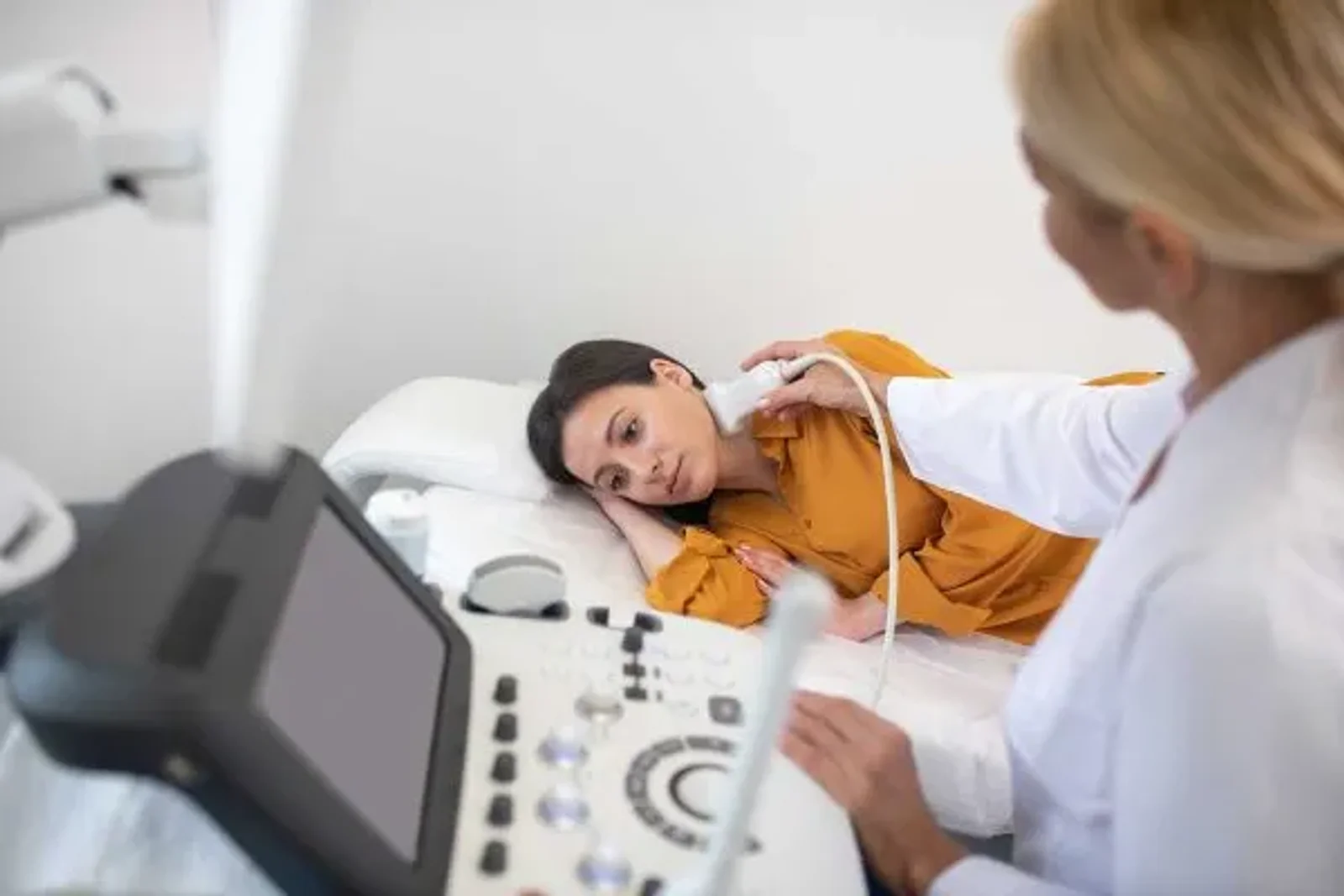
Ultrasound, or sonography, is the future of safe, painless, rapid, real-time diagnosis, treatment and monitoring of a variety of health issues. Using soundwaves that bounce off bones, tissues and organs, diagnostic ultrasound is non-invasive and far more accessible to the patient and for use by the ultrasound technologist (especially as technology advances), enabling a quick exploration and assessment of various parts of the body.
We most readily associate ultrasound with prenatal care, for viewing the fetus and ensuring a developing baby is healthy. But what we often don’t realize is that that type of ultrasound is just one of the incredible ways in which diagnostic medical sonography is used.
Below we explore the various types of ultrasound, and you can see for yourself how powerful this technology is, and will continue to be, in our healthcare system. And perhaps even recognize an opportunity for yourself if you have the desire to explore a rewarding and dynamic career as a diagnostic medical sonographer.
Types of Ultrasound
Carotid Aorta Ultrasound – Targets the neck, and the tiny blood vessels hidden within, that indicate how well the blood is flowing to the brain – the part that controls sensory and motor function, speech, personality and thinking. It can recognize plaque build up, restrictions and blockages, that could lead to stroke. With stroke being a leading cause of death in Canada each year, ultrasounds allow for diagnosis early, and for doctors to prescribe life-saving medications.
Pelvic Ultrasound – Most well-known form of ultrasound, used to monitor the health of a fetus during pregnancy. Beyond obstetric imaging, they are used to examine the uterus, ovaries, bladder, and prostate gland and can help the doctor to spot any cancer, developing diseases, internal bleeding, and occult hernias in women. Men can also receive pelvic ultrasounds to prevent disease. The three methods of pelvis ultrasound are transabdominal, transvaginal and transrectal.
Abdominal Ultrasound – Useful in examining the gallbladder, spleen, pancreas, liver, kidneys and bladder. It helps in the diagnosis of a variety of conditions and can assess damage caused by disease. “Because it provides real-time images, ultrasound can also be used to:
- Guide procedures such as needle biopsies, in which needles are used to sample cells from organs for laboratory testing.
- Help a physician determine the source of many abdominal pains, such as stones in the gallbladder or kidney.
- Help identify the cause for enlargement of an abdominal organ.”
- And much more …
Renal Ultrasound – Used to check the urinary system, namely the bladder and kidneys. It can assist with the diagnosis and treatment of health issues “such as kidney stones and incontinence that could lead to kidney failure and death… [and it is also] useful in detecting tumors and cysts that could be cancerous.”
Chest Ultrasound – “Evaluates the lungs, trachea, esophagus, lymph nodes and heart. Ultrasounds of the heart and its valves are called echocardiograms. Chest ultrasounds are performed to quickly visualize the chest organs and structures from outside the body. They can also assess blood flow to the chest organs and identify if there is liquid in the chest cavity or lungs.”
Visual Aid Ultrasounds – Sometimes performed during medical procedures to guide doctors in needle placement in blood vessels or other intricate medical procedures.
Therapeutic Ultrasounds – Mostly used in the treatment of muscle injuries, pain relief and management and rehabilitation, by athletic trainers, physical therapists or in sports medicine.
Types of Ultrasound Imaging
Doppler Ultrasounds – Measures speed and direction of blood cells in the body. Allows for the viewing of clots, blockages, and even the narrowing of blood vessels.
Bone sonography – Allows the sonographer to view images of the bones that can be used to assess fragility, assisting in the diagnosis of osteoporosis.
Echocardiograms – Allows for the viewing and assessment of images of the heart and the surrounding valves.
3D and 4D Ultrasound – This technology moves beyond the typical two-dimensional ultrasound images and creates three-dimensional interpretations. 3D put in motion, makes for 4D, and a heart can be seen beating.
A Call to Be a Part of the Future
With the advancement and variety of ultrasound, there is a call for diagnostic medical sonographers to learn the intricacies of the craft and join the ranks of those saving lives each and every day. Anderson College’s Diagnostic Medical Sonography program gives you access to industry-expert instructors and state-of-the-art labs, all you need to embrace a career in this evolving field. Book an express appointment with one of our Admissions Advisors today, to explore what the future of ultrasound holds for you.
Take the “Medical Professional Career Discovery Quiz”
Quick Links to Fuel Your Success!
We want to make sure you have what you need to succeed! Check out these reference links:
• Different Types of Ultrasounds for Saving Lives (conquestimaging.com)
• Types of Ultrasounds | New Jersey Ultrasound (atlanticmedicalimaging.com)
• 6 Common Types of Ultrasound and How They Are Used (mrhc.org)
• Types of Ultrasound | Stanford Health Care
• What Are the Different Types of Ultrasound? – Cardiac Screen
• Different types of Ultrasounds – OakBend Medical Center (oakbendmedcenter.org)
• Anderson College Announces Launch of Diagnostic Medical Sonographer Program (newswire.ca)
• 5 Brilliant Reasons to Become a Diagnostic Medical Sonographer (DMS)
Found this useful? Share it with a friend who's exploring their next career step.
Frequently asked questions
Quick answers about applying, funding, and life at Anderson College.
How long does it take to complete a program at Anderson College?
What financial aid options are available?
Are international students welcome?
How do I apply?
Does Anderson College offer job placement support?
Still have a question? Speak with an Admissions Advisor →
More from the blog

5 Things to Consider Before Enrolling in an Early Childcare Assistant Program
Choosing a career in early learning and childcare means stepping into a role that supports […] …
Read article
Stronger Communities, Brighter Futures: How Anderson College Helps Protect Ontario
Supporting communities is at the heart of Anderson College’s mission, and it has been for […] …
Read article
How Specialized Training Shaped Shahrzad’s Path as a Personal Support Worker
Each year, in the spirit of celebrating the diverse and powerful experiences of our students, […] …
Read article