
How You Can Help Seniors Feel Less Isolated During Your PSW Career
By Jennifer Maki · Communications Specialist
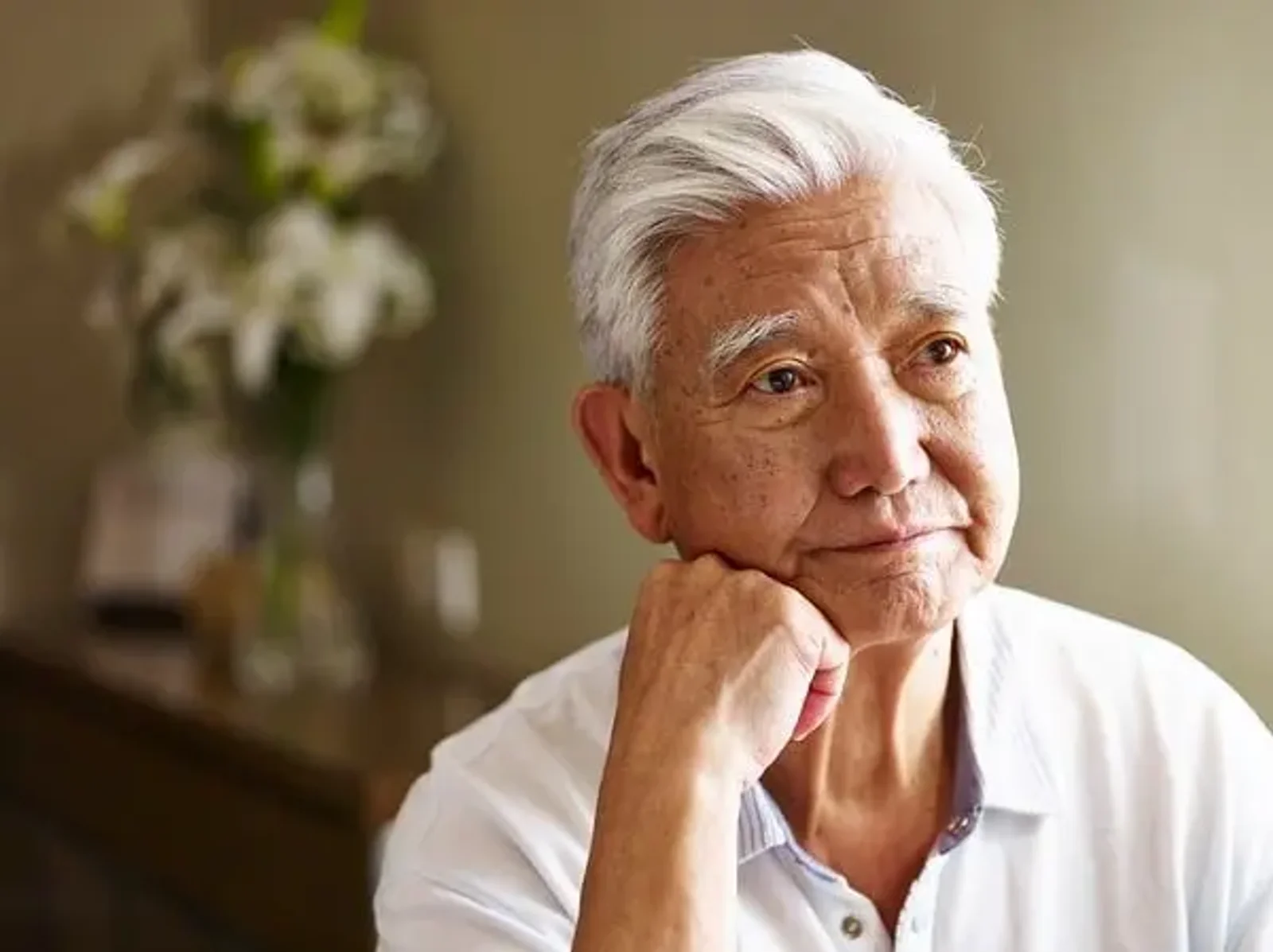
Isolation is real problem that affects 28 per cent of seniors aged 65 and older, most living alone without a spouse or family member. Seniors often become isolated because of uncontrollable external factors, such as disability, the death of a family member, or retirement. Studies have shown that social isolation among seniors can increase the risk of death, poor physical and mental health, and impaired mobility. Isolated seniors are also at a higher risk of being the victims of elder abuse as well as long-term illnesses such as depression, dementia, chronic lung disease, and arthritis.
Thankfully, there is a way for compassionate individuals to contribute to ending isolation among seniors, and enhancing the quality of their care. Students pursuing a career as a Personal Support Worker (PSW) can reduce feelings of isolation, helping their clients feel included as valued members of their communities.
Here are some of the ways a career as a PSW can help you prevent isolation among seniors.
PSW Training Can Teach You How to Address the Individual Needs of Each Client
Being able to assess and adapt your care to the needs of each individual client will be an important part of your PSW career. For example, clients who experience anxiety or depression may require more mental stimulation or encouragement to join in a group activity. Some may even benefit from having a pet, or from regular visits by therapy animals.
Being able to properly attend to each client’s unique requirements can make all the difference. It’s why top schools like Anderson College include courses dedicated to the individuality of the patient. Throughout your career, your ability to help each client in the way that best addresses their unique challenges and concerns can help them break free from feelings of isolation.
PSW Training Also Prepares You to Meet the Specific Safety Needs of Clients
Another important issue for many seniors suffering from isolation is safety. Isolated seniors may have more difficulty maintaining an adequate diet or getting enough physical activity. For some, vision loss can also make them more prone to tripping and other accidents. This can present a dangerous problem. Seniors may experience a fall or other safety problem, which can have serious consequences on their health. In addition, an accident can further isolate a senior, as it can reduce their mobility and make it more difficult for them to leave the house or engage in activities.
Fortunately, professionals with PSW training have a clear, complete, and grounded understanding of safety standards, such as general techniques for assisting a senior with their mobility, medication assistance, and CPR/ first aide. Each of these skills can help you ensure that your clients stay safe, even when they may have a smaller support network of friends and family to rely on.
PSWs Can Help Seniors Just by Being There
For many seniors, a visit from their PSW can be the highlight of their day. A friendly, compassionate, and engaged PSW can create a social environment that keeps seniors feeling connected to those around them. Asking a client about their day, remembering their hobbies and interests, and enjoying friendly conversations together can all help to build connection and reduce isolation.
For this reason, communication is an essential skill students learn to develop during their training. For example, at Anderson College students learn to develop their interpersonal skills, and even get to practice these skills in a real work setting through practical placements. As a result, students graduate knowing how to best connect with their clients. For many, it can be one of the most rewarding aspects of this career path.
Are you ready to contribute to enhancing the quality of care for seniors?
Earn your certification by enrolling in personal support worker courses at Anderson College!
Found this useful? Share it with a friend who's exploring their next career step.
Frequently asked questions
Quick answers about applying, funding, and life at Anderson College.
How long does it take to complete a program at Anderson College?
What financial aid options are available?
Are international students welcome?
How do I apply?
Does Anderson College offer job placement support?
Still have a question? Speak with an Admissions Advisor →
More from the blog

5 Things to Consider Before Enrolling in an Early Childcare Assistant Program
Choosing a career in early learning and childcare means stepping into a role that supports […] …
Read article
From Nervous Beginnings to Success in a PSW Course: Christine’s Journey
Each year, in the spirit of celebrating the diverse and powerful experiences of our students, […] …
Read article
Protecting Ontario Healthcare: Anderson College Supports the Next Generation of PSWs
As Ontario invests billions to expand home care services and strengthen its healthcare system, one […] …
Read article