
Essential Communication Skills for Early Childhood Assistants
By Jennifer Maki · Communications Specialist

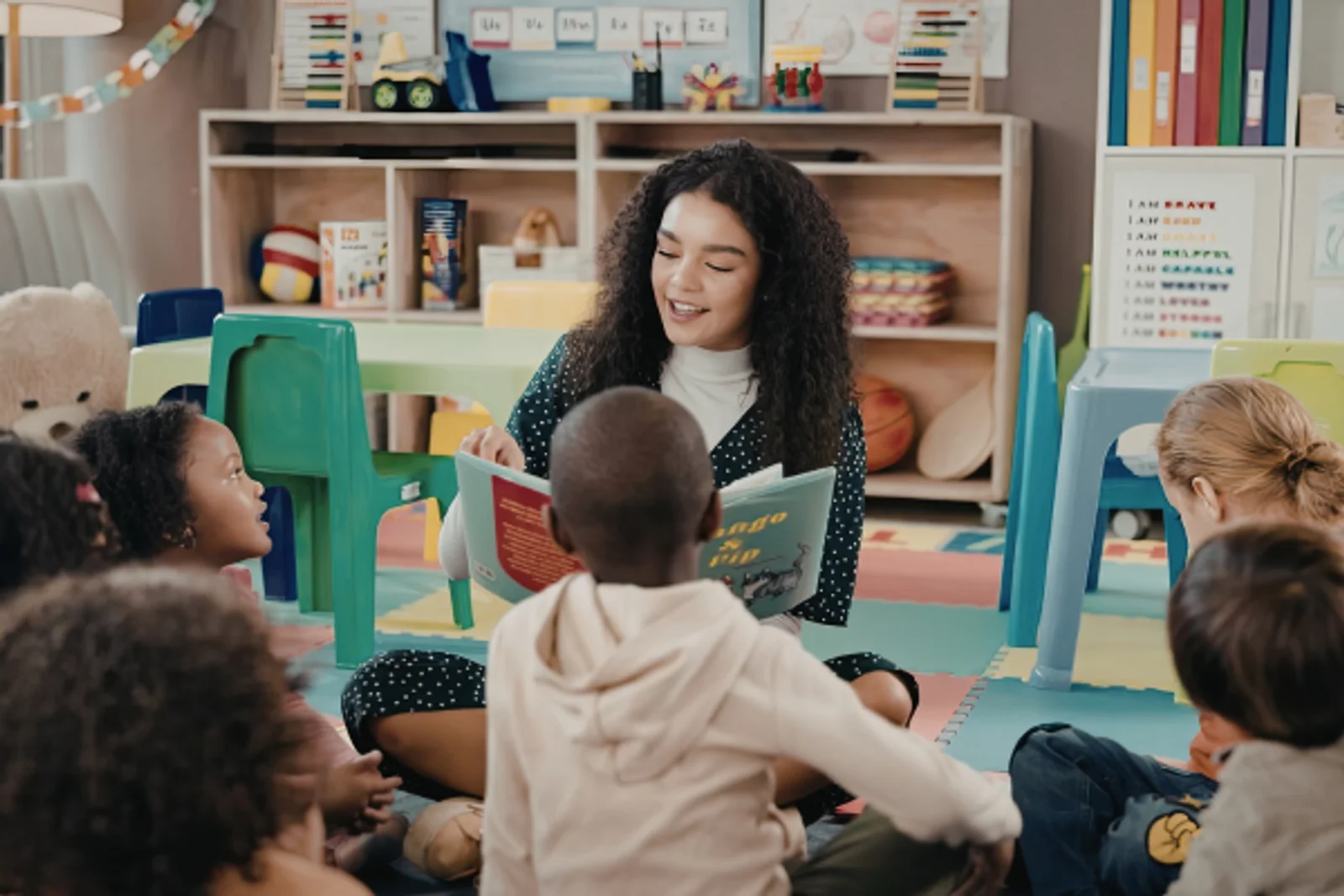
Every early childhood assistant knows that having effective communication skills is an essential part of the job. This is mainly because they are required to communicate with children, parents, and colleagues daily. Of course, it should come as no surprise that the skills required to communicate with a child are very different than those required to communicate with an adult. Additionally, an early childhood assistant would not speak to a student’s parents in the same manner that they would speak to a colleague or peer. Here’s a quick guide to the communication skill-set that every early childhood assistant should have:
When Communicating with Children
Individuals holding early childcare assistant diplomas understand the importance of using positive reinforcement when communicating with their students. This means that when a child does something good, like follows the rules or lends a helping hand to his or her peers, a childcare assistant should provide specific praise. For example, by saying “it was very nice of you to help Marco clean up his toys, Timmy” instead of “that was nice of you, Timmy,” Timmy will understand exactly what it is that he is being praised for and will likely continue to help others.
Experts know that when communicating with young children, it is always best to advise them on what they should be doing, rather than what they should not be doing. This is again because children respond well to positive encouragement. For instance, if a child is running when he or she should be walking, a skilled childcare assistant might tell him or her to walk instead of saying not to run.
When Communicating with Colleagues
Since a certain level of communication is required within any professional environment, having the ability to effectively communicate with colleagues and peers is important when pursuing a career in virtually any field. All communication between colleagues should be kept professional at all times. Experts know that providing negative feedback can be difficult, however, if this feedback is sandwiched between a few positive observations it might be a lot easier to swallow.
Individuals pursuing childcare training should also consider the fact that, for the most part, they will always be surrounded by children during work hours. This means that a child might be watching and listening to a conversation that is being had between two colleagues. And, since young children are very impressionable, all conversations must be kept respectful.
When Communicating with Parents
Any communication between a childhood assistant and a student’s parents should always come from a place of mutual respect. Early childcare assistants know that it’s important to communicate regularly with their student’s families. This will enable families to keep track of their child’s educational progress and it will also allow the educators and assistants to have access to information about how that child is doing at home. When communicating with a student’s parents, it is important to speak casually and use simple language. This will ensure that there are no miscommunications or misunderstandings.
Do you have any other tips for effectively communicating with children and their families as an early childcare assistant?
Found this useful? Share it with a friend who's exploring their next career step.
Frequently asked questions
Quick answers about applying, funding, and life at Anderson College.
How long does it take to complete a program at Anderson College?
What financial aid options are available?
Are international students welcome?
How do I apply?
Does Anderson College offer job placement support?
Still have a question? Speak with an Admissions Advisor →
More from the blog
5 Things to Consider Before Enrolling in an Early Childcare Assistant Program
Choosing a career in early learning and childcare means stepping into a role that supports […] …
Read article
Stronger Communities, Brighter Futures: How Anderson College Helps Protect Ontario
Supporting communities is at the heart of Anderson College’s mission, and it has been for […] …
Read article
How Specialized Training Shaped Shahrzad’s Path as a Personal Support Worker
Each year, in the spirit of celebrating the diverse and powerful experiences of our students, […] …
Read article