
Chairside vs. Dental Administrative Assistant: Which Path Is Right for You?
By Jennifer Maki · Communications Specialist

Dental assisting is one of Ontario’s most versatile and rewarding healthcare career options, offering strong employment demand, meaningful patient interaction, and opportunities across both clinical and administrative settings. As oral health is increasingly recognized as essential to overall wellness, dental assistants play a vital role in supporting dentists, ensuring patient comfort, and keeping practices running smoothly.
What sets this career apart is its flexibility. Some professionals are drawn to hands-on, chairside work, while others excel in administrative and patient coordination roles. Choosing the right path depends on your skills, interests, long-term goals, and the leading-edge training that supports them. At Anderson College, dental assistant programs are recognized by the National Dental Assisting Examining Board and designed to meet the real demands of today’s dental practices. Hands-on training and practicum experience prepare graduates to succeed in both clinical and administrative roles.
This guide breaks down the key differences between chairside and administrative dental assistants to help you identify the path that best fits your strengths.
Chairside vs. Dental Administrative Assistant: Understanding the Difference
While both roles fall under the dental assisting umbrella, chairside and dental administrative assistants contribute in distinct ways. One focuses primarily on clinical support and direct patient care, while the other ensures the smooth coordination, communication, and administrative operations of a dental practice. Understanding how these roles differ in daily responsibilities, required skills, and career progression is essential when deciding which path aligns best with your strengths and goals.
What Is a Dental Assistant?
Dental assistants are essential members of the oral healthcare team, supporting dentists and hygienists while helping ensure patients receive safe, efficient, and compassionate care. Their role spans both clinical support and administrative coordination, making them critical to patient experience and overall practice efficiency.
Core Responsibilities of a Dental Assistant
Dental assistants contribute to the daily operation of a dental practice by:
- Supporting dentists during procedures and examinations
- Preparing treatment rooms, instruments, and materials
- Maintaining strict infection prevention and control protocols
- Assisting with diagnostic and preventative dental care
- Ensuring patient comfort before, during, and after appointments.
These responsibilities help create a safe, organized, and supportive environment for both patients and dental professionals.
Patient Care and Office Efficiency
Beyond clinical tasks, dental assistants play a key role in patient communication and practice coordination. They often support:
- Patient education and procedural explanations
- Scheduling and appointment coordination
- Maintaining accurate patient records and documentation
- Assisting with billing, insurance, and front-desk communication.
This combination of hands-on care and administrative support allows dental practices to operate smoothly while delivering high-quality patient experiences.
Career Flexibility and Specialization
One of the defining strengths of the dental assistant career path is its flexibility. Depending on individual interests and skill sets, dental assistants may:
- Focus on chairside (clinical) responsibilities
- Specialize in administrative or patient coordination roles
- Work in dual roles combining both clinical and office support.
Career direction often evolves over time, influenced by workplace experience, additional training, and personal strengths such as communication, organization, or technical precision.
Training programs at Anderson College are designed to reflect this real-world versatility, preparing students with foundational knowledge, practical skills, and professional confidence for a range of dental assisting roles.
Find Out More, Watch:
Chairside (Clinical) Dental Assistants
Chairside dental assistants work directly with dentists during clinical procedures, playing a hands-on role in patient care, safety, and treatment efficiency. This role is ideal for individuals who enjoy fast-paced environments, teamwork, and direct involvement in clinical outcomes.
Primary Duties and Clinical Responsibilities
Chairside dental assistants support daily clinical operations by:
- Preparing patients and treatment rooms for procedures
- Assisting dentists during examinations, restorative treatments, and surgeries
- Sterilizing and organizing instruments and equipment
- Taking and processing dental X-rays following safety protocols
- Preparing dental materials, fillings, and impression trays
- Taking dental impressions and supporting diagnostic records
- Providing preventive services such as coronal polishing, fluoride and sealants
- Providing oral hygiene education and post-treatment instructions
These responsibilities are essential to maintaining infection control standards, procedural accuracy, and positive patient experiences.
Skills Needed for Chairside Success
Success in a chairside role requires a balance of technical and interpersonal skills, including:
- Manual dexterity and strong hand-eye coordination
- Attention to detail and adherence to clinical protocols
- Empathy, professionalism, and patient-focused communication
- Clear teamwork and collaboration in clinical settings.
Career Path and Advancement Opportunities
Chairside dental assisting offers clear pathways for growth. With experience and additional credentials, professionals may:
- Pursue Level II certification to expand clinical responsibilities
- Specialize in orthodontics, oral surgery, or pediatric dentistry
- Transition into dental hygiene or related roles through further education.
This path provides a strong foundation for those seeking hands-on clinical specialization within oral healthcare.
Related Read:
Your Glimpse Into a Day in the Life of a Dental Assistant
Administrative Dental Assistants
Administrative dental assistants focus on the organizational and patient coordination side of dental practices, ensuring clinics operate smoothly and professionally. This role is ideal for individuals who excel at communication, organization, and managing multiple priorities in a healthcare environment.
Primary Duties and Office Responsibilities
A dental administrative assistant supports daily practice operations by:
- Managing front desk and patient reception
- Scheduling appointments and coordinating patient flow
- Handling billing, payments, and dental insurance claims
- Maintaining accurate patient records and documentation
- Ordering supplies and supporting office logistics
- Communicating with patients by phone, email, and in person.
These responsibilities are essential to maintaining efficiency, compliance, and a positive patient experience from first contact through follow-up care.
Skills Needed for Administrative Success
Success in an administrative role requires strong professional and organizational skills, including:
- Excellent communication and customer service abilities
- Strong organizational and time-management skills
- Computer proficiency and attention to detail
- Professionalism and discretion when handling patient information.
Many professionals strengthen these skills through a dental administrative assistant course, which supports long-term growth in healthcare administration.
Career Path and Advancement Opportunities
Administrative dental assisting offers clear opportunities for advancement. With experience and additional training, professionals may:
- Move into dental office management or clinic coordination roles
- Specialize in dental insurance and treatment coordination
- Transition into dental sales, education, or corporate support roles.
This path provides a strong foundation for individuals interested in healthcare administration and long-term professional growth within the dental industry.
Related Read:
How to Ace Your First Days Working as a Dental Assistant
Starting Your Dental Assisting Career at Anderson College
Anderson College offers comprehensive Intra Oral Dental Assistant programs designed to prepare students for both clinical and administrative roles through hands-on, industry-aligned training.
Program Options:
- Intra Oral Level I & II Dental Assistant – 51 weeks
Available in Brampton, North York, Mississauga, Hamilton, and Kitchener - Intra-Oral Dental Assistant Levels I & II Diploma – 46 weeks
Available in London and Windsor.
Both programs are structured to build confidence, competence, and career readiness in a condensed timeframe.
Hands-On Training and Real-World Experience
Students benefit from a blend of classroom learning and practical application, including:
- Hands-on lab training in simulated dental clinic environments
- Supervised practicum experience (up to 150 hours, depending on program)
- Exposure to real-world dental workflows and professional standards.
Graduates are prepared to step confidently into entry-level roles as a chairside dental assistant or in administrative support positions.
Industry Recognition and Professional Preparation
Anderson College programs include key features that support long-term career success:
- HARP-approved dental radiography training
- Complimentary student membership with the Ontario Dental Assistants Association (ODAA)
- Curriculum aligned with National Dental Assisting Examining Board (NDAEB) standards
- Preparation for NDAEB certification exams and entry-level employment.
This structured, career-focused approach ensures graduates are equipped with the skills, experience, and credentials employers value.
Program Insight:
Inside the Dental Assistant Program: Your Leading-Edge Training
Building Your Future in Dental Assisting
Dental assisting offers a rare combination of stability, versatility, and meaningful impact in healthcare. As demand for skilled dental professionals continues to grow across Ontario, both chairside and administrative dental assistant roles remain essential to patient care and the smooth operation of dental practices.
With structured, hands-on training, real-world practicum experience, and industry-aligned curriculum, Anderson College prepares graduates to step confidently into either path – whether supporting dentists chairside, coordinating patient care behind the scenes, or combining both roles as their careers evolve.
By exploring your strengths and interests and choosing the right training, you can take the first step toward certification, employment, and a rewarding future in dental healthcare—one where your skills make a difference every day.
____________________________________
If you’re ready to explore a career that blends people skills with in-demand dental expertise, now is the time to act. Dental assisting offers multiple paths, and the right training can help you choose the one that fits.
Start by taking the Dental Professional Career Discovery Quiz to see how your strengths align. When you’re ready, connect with us to explore your program options, campus locations, and next steps.
- Book a virtual appointment with an Admissions Advisor
- Explore dental assistant programs:
Intra Oral Level I & II Dental Assistant – 51 weeks
Available in Brampton, North York, Mississauga, Hamilton, and Kitchener
Intra-Oral Dental Assistant Levels I & II Diploma – 46 weeks
Available in London and Windsor - Begin your path toward certification and employment
_____________________________
Quick Links to Fuel Your Success!
We want to make sure you have what you need to succeed! Check out these reference links:
- Intra Oral Dental Assisting Programs:
Brampton/Hamilton/Kitchener/Mississauga/North York
London/Windsor - ODAA membership: https://www.odaa.org/
- NDAEB certification
- Dental Assistant Grad Share All – Insight on Our Program and Your Future
Found this useful? Share it with a friend who's exploring their next career step.
Frequently asked questions
Quick answers about applying, funding, and life at Anderson College.
How long does it take to complete a program at Anderson College?
What financial aid options are available?
Are international students welcome?
How do I apply?
Does Anderson College offer job placement support?
Still have a question? Speak with an Admissions Advisor →
More from the blog

From Skills Gap to Certification Ready: Bruce’s Dental Assistant Program Journey
Bruce’s journey toward certification began with experience, clarity, and a deep understanding of what he […] …
Read article
The Benefits of Becoming a Dental Assistant: Job Security, Flexibility & Growth
Healthcare careers that combine stability, human connection, and long-term growth are not easy to find. […] …
Read article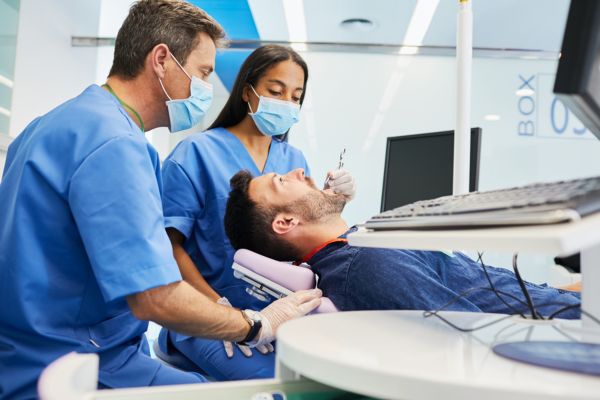
Ontario’s Dental Assistant Shortage Crisis: Why Now is the Moment to Train
“Are we in crisis mode?” That question was put directly to Ontario’s Standing Committee on […] …
Read article